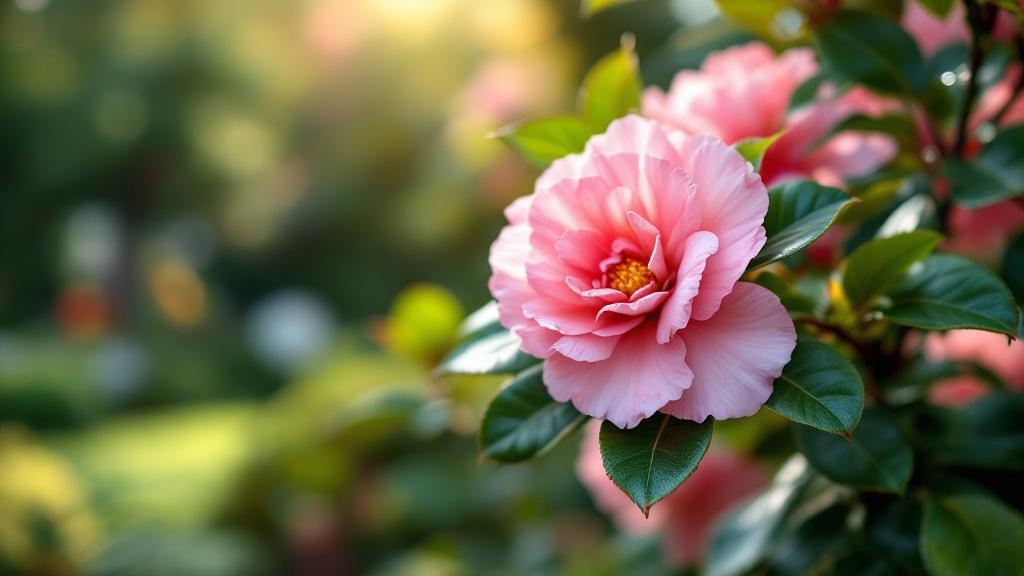
Hawthorn
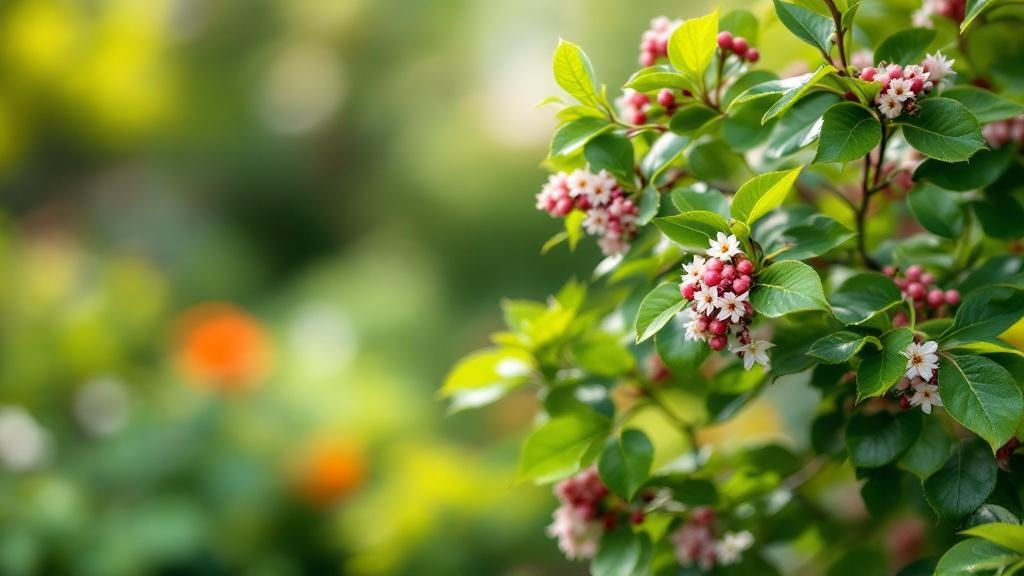
Hawthorn is one of the most beloved native shrubs across temperate regions, cherished for its fragrant May blossoms, autumn berries, and exceptional wildlife value. Whether you are establishing a traditional hedge or growing a specimen tree, the most common question gardeners ask is how and when to prune hawthorn for the best shape and flowering. This thorny deciduous shrub rewards minimal care with decades of beauty and ecological benefit.
Watering Your Hawthorn Through the Seasons
Newly planted hawthorns need weekly watering during their first growing season, roughly 10 liters per week from April through September. Once established after 2-3 years, hawthorn is remarkably drought-tolerant and only needs supplemental water during extended dry spells lasting more than 3 weeks in summer. Avoid waterlogging, as hawthorn roots dislike sitting in saturated soil over winter.
Light Requirements for Healthy Growth
Hawthorn thrives in full sun, producing the most abundant May blossom and autumn haws in positions receiving 6 or more hours of direct sunlight. It tolerates partial shade but will flower less prolifically and develop a more open, leggy habit. When planting as a hedge, ensure the site is not overshadowed by larger trees that will create dense shade as they mature.
Soil and Planting Your Hawthorn
One of hawthorn's greatest strengths is its adaptability to almost any soil type, including heavy clay, chalk, and poor urban soils. Plant bare-root specimens between November and March when dormant, spacing hedge plants 30-45cm apart. Add organic matter to the planting hole only if soil is extremely compacted. No repotting applies to this outdoor shrub, but container-grown hawthorns should be planted out within 2-3 years.
Temperature and Seasonal Hardiness
Hawthorn is fully hardy throughout temperate regions, tolerating winter temperatures down to minus 25 Celsius without protection. It actually requires winter chill to flower well the following spring. Summer heat up to 35 Celsius is tolerated if roots stay cool. No special overwintering care is needed; simply ensure young plants are not smothered by heavy snow on branches.
Feeding Your Hawthorn
Established hawthorns rarely need fertilizing in average garden soil. For hedges or specimens in poor soil, apply a balanced granular fertilizer such as fish blood and bone in early April at 70 grams per square meter around the root zone. Avoid high-nitrogen feeds which promote soft growth susceptible to pests. A spring mulch of garden compost provides gentle nutrition and moisture retention.
Common Hawthorn Problems and Solutions
Hawthorn leaf blight caused by the fungus Diplocarpon mespili creates brown spotted leaves and early defoliation in wet summers; remove fallen leaves in autumn and improve air circulation through pruning. Aphids often colonize shoot tips in May and June but are typically controlled by ladybirds and other predators. Hawthorn is a host for fireblight bacteria which causes blackened wilted shoots; prune affected growth 30cm below visible damage using sterilized tools and dispose of material in household waste, not compost.
Frequently asked questions
When should I prune hawthorn hedges?
Prune hawthorn hedges in late August or early September after birds have finished nesting and before autumn berries fully ripen. This timing allows wounds to heal before winter while preserving some haws for wildlife. For specimen trees, limit pruning to removing dead or crossing branches in late winter.
Why are my hawthorn leaves turning brown and falling off?
Brown spotty leaves dropping in summer usually indicate hawthorn leaf blight, a fungal disease favored by wet weather. Remove and dispose of fallen leaves to reduce reinfection next year. Severe cases may benefit from a copper-based fungicide spray in early spring before bud break.
When does hawthorn flower in the UK?
Hawthorn typically flowers in May, earning its folk name May tree or May blossom. The exact timing varies by 2-3 weeks depending on spring temperatures, with northern areas and colder years blooming later into early June. Flowers appear on previous year's wood, so avoid winter pruning if you want maximum bloom.
Is hawthorn toxic to dogs or cats?
Hawthorn is not toxic to dogs or cats. The berries, leaves, and flowers are all considered safe, and hawthorn berry extract is even used in some pet supplements for heart health. The main hazard is the sharp thorns which can cause injury if pets push through dense hedges.
How fast does hawthorn grow as a hedge?
Hawthorn grows approximately 30-60cm per year once established, reaching hedging height of 1.5-2 meters within 4-6 years from bare-root planting. Growth is faster in fertile moist soils and full sun. Annual trimming encourages dense bushy growth rather than tall sparse stems.
🩺 Common diseases and pests
These problems commonly affect this plant. Click any to see full symptom descriptions, organic and chemical treatment, and prevention.