Wisteria
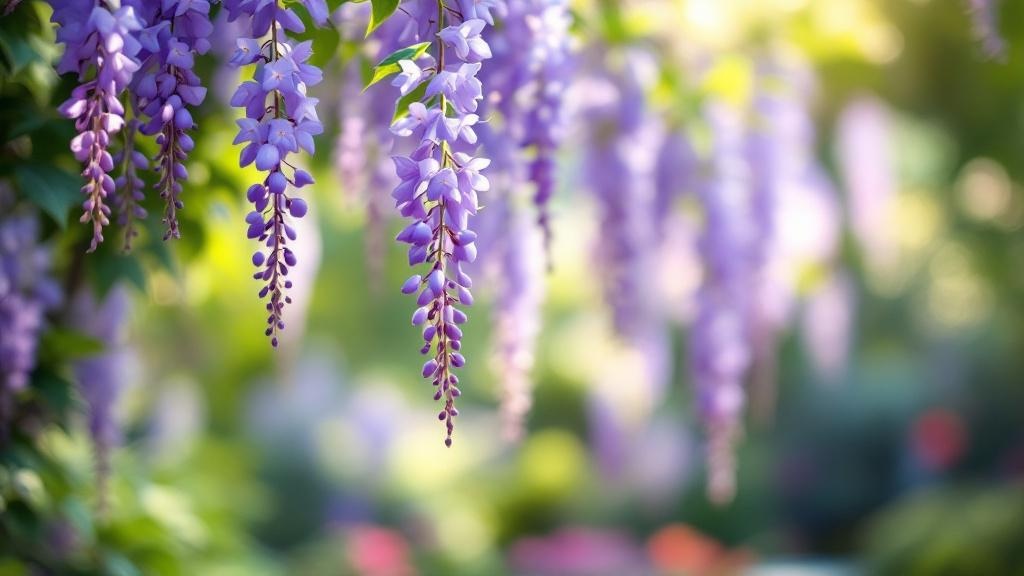
Wisteria sinensis is one of the most dramatic flowering vines you can grow in temperate climates, rewarding gardeners with spectacular cascades of fragrant purple flowers each April and May. The main care challenge isn't growing it—wisteria is surprisingly hardy—but controlling its vigorous growth and encouraging heavy flowering rather than endless leafy shoots. If you're wondering how to get your wisteria to bloom reliably, proper pruning timing and training are your keys to success.
Watering Wisteria Correctly
Water deeply once per week during the growing season (April to September) when the top 2-3 cm of soil feels dry; during establishment in the first two years, keep soil consistently moist but not waterlogged. Once mature, wisteria is quite drought-tolerant and needs watering only during dry spells. In autumn and winter, reduce watering significantly as the plant enters dormancy. Overwatering is the most common mistake and leads to root rot and excessive foliage at the expense of flowers.
Light Requirements for Abundant Flowers
Wisteria requires a minimum of 6 hours of direct sunlight daily to flower reliably; 8+ hours is ideal in temperate zones. North-facing walls or deep shade will produce leafy growth with few or no blooms. If your wisteria won't flower, insufficient light is usually the culprit. Morning sun with afternoon shade in hot continental summers is acceptable, but prioritize full sun exposure for maximum flowering potential.
Soil Preparation and Repotting
Plant wisteria in well-draining soil enriched with compost; it tolerates slightly acidic to neutral pH (6.0-7.0). Heavy clay soils must be amended with grit and organic matter to prevent waterlogging. Once established in the ground, wisteria rarely needs repotting. If grown in large containers, refresh the top 10 cm of compost each spring rather than repotting, as wisteria prefers slightly root-bound conditions for flowering.
Temperature and Humidity Needs
Wisteria is fully hardy down to -15°C across USDA zones 5-8, though late spring frosts can damage new growth and emerging flower buds. Protect young plants in their first winter with a mulch layer. Humidity is less critical than good air circulation, which reduces fungal diseases like powdery mildew common in humid autumns. In continental climates, the natural seasonal temperature drop in autumn is essential to trigger flower bud formation.
Feeding and Fertilizing Schedule
Feed monthly from April to July with a balanced fertilizer (NPK roughly 5-5-5 or higher potassium for flowers); reduce nitrogen once flower buds appear to avoid promoting foliage over blooms. A spring application of a phosphorus-rich fertilizer (e.g., tomato feed) in March encourages flower bud development. Avoid over-fertilizing with high-nitrogen feeds, which cause lush leafy growth and few flowers. Mature, well-established plants on fertile soil often need no supplemental feeding.
Common Problems and Solutions
Powdery mildew appears as white coating on leaves in late summer; improve air circulation, avoid overhead watering, and prune out affected growth. Leaf spot and rust fungi thrive in humidity—remove infected leaves and thin the canopy. Failure to flower is usually caused by insufficient light, too much nitrogen, or incorrect pruning timing; cut back side shoots in late August and again in February to promote flowers. Spider mites can infest dry indoor wisteria; mist foliage regularly and check for fine webbing.
Frequently asked questions
How often should I water wisteria?
Water deeply once per week from April to September when the top few centimetres of soil are dry, then reduce to fortnightly or less in winter dormancy. Mature plants are fairly drought-tolerant and need water only during extended dry spells; overwatering causes root rot and blocks flowering.
Why is my wisteria not flowering?
The three main causes are insufficient light (it needs at least 6 hours of direct sun daily), too much nitrogen fertilizer (which promotes leaves over flowers), or incorrect pruning. Cut back long side shoots to 15 cm in late August and February to encourage flower buds; mature vines may also need two to three years before flowering reliably.
When should I prune wisteria?
Prune twice yearly: cut side shoots back to 15 cm from the main stem in late August after flowering, then repeat in February before spring growth begins. These two pruning cycles remove energy-draining excess foliage and concentrate the plant's resources into flower buds. Hard pruning of overgrown vines can be done in winter, but will sacrifice the next season's flowers.
Is wisteria toxic to pets?
Yes, all parts of wisteria—seeds, pods, and flowers—contain toxic glycosides and are poisonous to dogs and cats if ingested. Ingestion can cause digestive upset, vomiting, and diarrhoea; keep pets away from the plant and clear up fallen seed pods promptly, especially in autumn.
How do I train wisteria up a support or pergola?
Install sturdy wires or trellis before planting, as mature wisteria becomes very heavy (it will snap weak structures). Train the main stem horizontally along the support initially, which slows sap flow and encourages lateral buds to develop; tie in new growth monthly during the growing season. Select 3-4 strong main stems and remove competing shoots; this gives a structured, flowery framework rather than a tangled mass.