Zucchini
Zucchini is one of the easiest vegetables to grow in temperate climates, producing abundant tender fruit from early summer through autumn. The most common beginner question is when to plant and how to prevent the crop from becoming overrun with fruit—or conversely, why flowers drop without setting fruit. With proper spacing, watering, and pollinator support, you'll enjoy continuous harvests.
Planting and Watering
Sow zucchini directly into the soil after the last frost date (typically late April to mid-May in temperate zones) when soil reaches at least 15°C. Space plants 45-60 cm apart in mounds or hills. Water deeply 2-3 times weekly during growth, providing 2-3 cm of water per week; consistent moisture prevents fruit from becoming bitter and reduces flower drop. Mulch around plants with 5 cm of straw or compost to retain soil moisture and regulate temperature during summer heat.
Light and Sunlight Needs
Zucchini demands full sun for 6-8 hours daily to produce abundant fruit and develop optimal flavor. Plants grown in partial shade produce fewer flowers and smaller yields. Choose an open garden bed away from taller plants that cast afternoon shade. In regions with intense summer heat (above 30°C), afternoon dappled shade can prevent flower abortion, but morning and midday sun are essential.
Soil Preparation and Feeding
Prepare planting beds by incorporating 5-7 cm of well-rotted compost or aged manure into the top 20-25 cm of soil before planting. Zucchini thrives in slightly acidic to neutral soil (pH 6.0-7.0) with good drainage. Apply a balanced fertilizer (such as 10-10-10 NPK) every 3-4 weeks once flowering begins, or side-dress with compost around the base monthly. Avoid excessive nitrogen, which promotes leaf growth at the expense of fruit production.
Temperature and Humidity
Zucchini is extremely frost-sensitive and will not germinate or grow below 10°C. Ideal growing temperatures range from 18-29°C; prolonged heat above 32°C causes flower abortion and reduced fruit set. In cooler temperate regions, use black plastic mulch or row covers in early summer to warm the soil. Zucchini prefers moderate humidity; excessive moisture in enclosed growing areas increases risk of powdery mildew, so ensure good air circulation.
Harvesting and Fruit Management
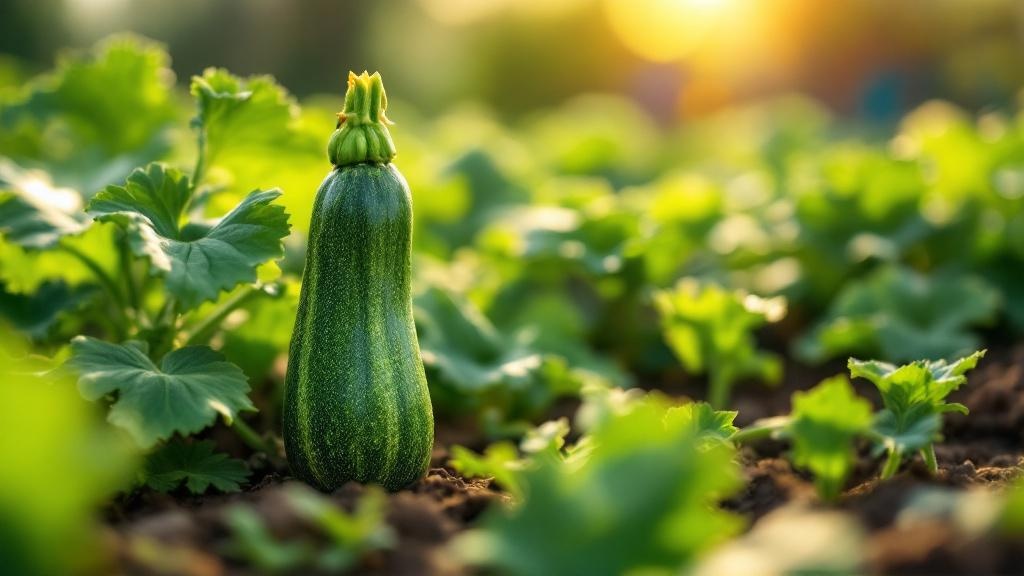
Begin harvesting zucchini when fruit reaches 15-20 cm in length, typically 5-7 days after flowering. Regular harvesting encourages continued production; leaving oversized fruit on the plant signals the plant to stop flowering. Use a sharp knife to cut fruit from the stem rather than tugging. In peak season, check plants every 2-3 days to prevent courgettes from becoming woody and overgrown. Harvest in early morning when fruit is cool and firm.
Common Problems and Solutions
Powdery mildew appears as white powder on leaves in humid conditions; manage by improving air circulation, removing affected leaves, and applying sulfur-based fungicides in early July and August if needed. Cucumber beetles and squash bugs damage leaves and fruit; handpick adults early morning or use neem oil in June and July. Flower drop without fruit set typically results from inconsistent watering, low pollinator activity, or temperatures above 30°C; ensure regular watering and plant bee-attracting flowers like borage nearby to encourage pollination.
Frequently asked questions
When should I plant zucchini in temperate zones?
Sow zucchini directly into the soil from late April through May, once soil temperature reaches 15°C and all risk of frost has passed. You can start seeds indoors 3-4 weeks earlier if you prefer transplants, but zucchini is usually easier to direct-sow.
How often should I water zucchini?
Water deeply 2-3 times per week during the growing season, aiming for 2-3 cm of water weekly. In hot, dry weather, you may need to water every other day; always water at the soil level to avoid wetting foliage, which promotes fungal disease.
Why are my zucchini flowers dropping without producing fruit?
Flower drop is usually caused by inconsistent watering, temperatures above 30°C, or lack of pollinator activity. Maintain even soil moisture, provide afternoon shade in extreme heat, and attract bees by planting nearby flowers or hand-pollinating with a soft brush.
How do I prevent powdery mildew on zucchini?
Improve air circulation by spacing plants adequately, remove lower leaves as the plant grows, and avoid overhead watering. If white powder appears, spray with sulfur-based fungicide in early morning starting in July; neem oil is also effective if applied regularly.
What is the best size to harvest zucchini?
Harvest zucchini when 15-20 cm long for the best flavor and tenderness; fruit picked at this stage encourages the plant to produce more flowers. Check plants every 2-3 days during peak season, as courgettes can grow oversized quickly and become tough and woody.
🩺 Common diseases and pests
These problems commonly affect this plant. Click any to see full symptom descriptions, organic and chemical treatment, and prevention.