Butternut Squash
Butternut squash is one of the most satisfying vegetables to grow at home, offering creamy, sweet flesh that stores for months after harvest. The most common question gardeners ask is when to plant butternut squash in cooler climates since this heat-loving crop needs careful timing. In temperate regions, success depends on starting seeds indoors in late April to early May, then transplanting after the last frost. With 100-120 frost-free days required, timing is everything for a successful harvest.
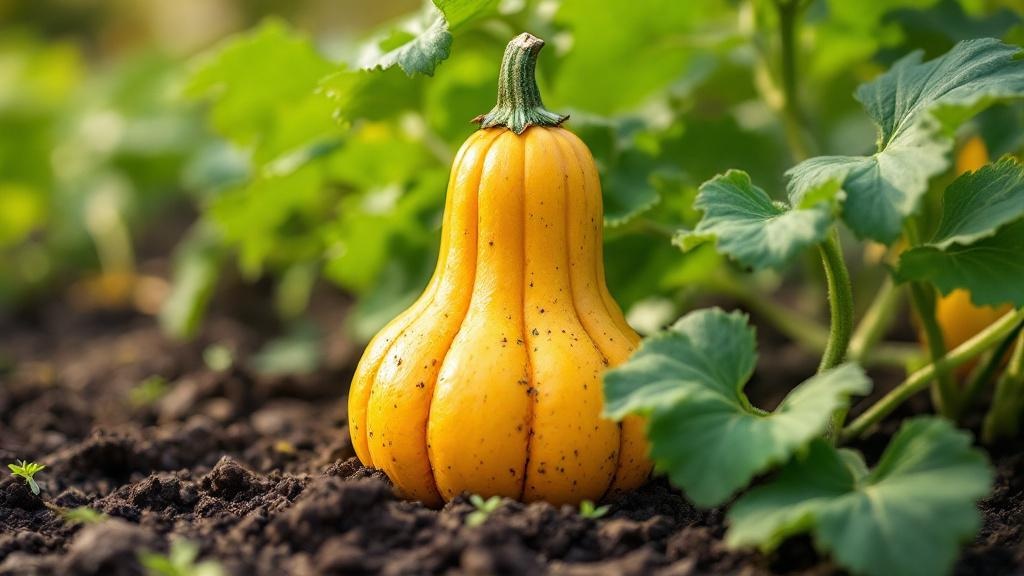
Watering Your Butternut Squash Plants
Water deeply every 5-7 days, providing about 2.5cm per week, more during hot spells in July and August. Always water at the base of the plant in the morning to keep foliage dry and prevent powdery mildew. Reduce watering in September as fruits mature to concentrate sugars and toughen the skin for storage. Inconsistent watering causes misshapen fruits and blossom end rot.
Light Requirements for Maximum Yield
Butternut squash demands full sun with at least 6-8 hours of direct sunlight daily. Choose your sunniest garden spot, ideally south-facing and sheltered from wind. Insufficient light results in leggy vines, poor fruit set, and bland-tasting squash. In temperate climates, maximize sun exposure since growing seasons are shorter than in warmer regions.
Soil Preparation and Planting
Prepare rich, well-draining soil amended with generous amounts of well-rotted compost or manure in early spring. Create planting mounds or hills 90cm apart to improve drainage and soil warming. Transplant seedlings outdoors in late May to early June after hardening off, once night temperatures consistently stay above 10°C. Each plant needs 1.5-2 square meters of space for sprawling vines.
Temperature and Growing Season
Butternut squash thrives in temperatures between 18-30°C and cannot tolerate any frost. In temperate zones, start seeds indoors from mid-April in a warm spot at 20-25°C. Protect young transplants with fleece or cloches during cool nights in early June. Harvest before the first autumn frost, typically late September to mid-October, when stems turn brown and corky.
Feeding for Healthy Fruit Development
Apply a balanced fertilizer or compost tea when transplanting, then switch to a high-potassium tomato feed once flowers appear in July. Feed every 2-3 weeks during the growing season, stopping in early September. Over-fertilizing with nitrogen produces lush foliage but fewer fruits. Side-dress with compost mid-season to maintain soil fertility.
Common Problems and Pests
Powdery mildew is the most common issue in temperate climates, appearing as white patches on leaves in late summer; improve air circulation and apply sulfur-based sprays preventatively. Slugs attack young seedlings in wet springs, so use beer traps or organic slug pellets around transplants. Squash vine borers and cucumber beetles can devastate plants; inspect stems regularly and remove affected sections, covering remaining stems with soil to encourage new rooting.
Frequently asked questions
When should I plant butternut squash in the UK?
Sow butternut squash seeds indoors from mid to late April, then transplant outdoors in early June after the last frost. Direct sowing outdoors is risky in temperate climates due to the short growing season. Starting indoors gives plants a crucial 4-6 week head start.
How long does butternut squash take to grow?
Butternut squash takes 100-120 days from sowing to harvest. In temperate climates, this means sowing in late April and harvesting in late September or October. The long maturation period is why early indoor sowing is essential for success.
Why are my butternut squash leaves turning yellow?
Yellow leaves usually indicate overwatering, nutrient deficiency, or natural die-back at the end of the season. Check soil moisture before watering and ensure good drainage. Older leaves naturally yellow as the plant directs energy to ripening fruits in late summer.
How do I know when butternut squash is ready to harvest?
Butternut squash is ready when the skin turns uniformly tan, feels hard, and resists puncture with a fingernail. The stem should be dry and corky, and the fruit should sound hollow when tapped. Harvest before frost, leaving 5-7cm of stem attached for better storage.
Can you grow butternut squash vertically?
Yes, butternut squash can be grown vertically on a sturdy trellis or fence to save space. Use soft ties or fabric slings to support developing fruits, which can weigh 1-3kg each. Vertical growing improves air circulation and reduces disease but requires daily monitoring of supports.