Hanging Heliconia
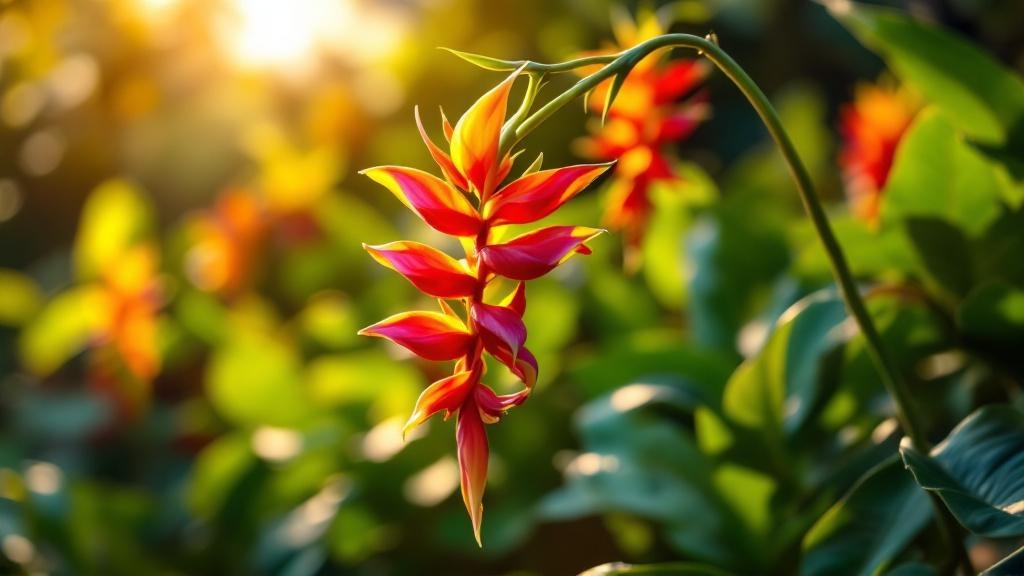
Hanging Heliconia captivates with its striking lobster claw bracts that cascade downward in vivid reds and yellows. Native to tropical rainforests, this exotic beauty is increasingly popular among ambitious temperate-climate gardeners seeking a bold statement plant. The most common question? Whether you can actually grow this tropical stunner in cooler regions. The answer is yes, but it requires dedication, warmth, and understanding that this is strictly an indoor or heated greenhouse plant outside the tropics.
Watering Your Hanging Heliconia Correctly
Water every 3-5 days during the active growing season from April to September, keeping soil consistently moist but never waterlogged. Reduce watering to every 7-10 days from October through March when growth slows. Always use room-temperature water and ensure excellent drainage to prevent root rot. In heated indoor environments, check soil moisture regularly as central heating can dry plants faster than expected.
Light Requirements for Healthy Growth
Provide bright indirect light for 6-8 hours daily, mimicking the dappled forest canopy of its native habitat. A south or west-facing conservatory is ideal in the UK and Northern Europe. Direct midday summer sun through glass can scorch leaves, so filter intense light with sheer curtains from May through August. Insufficient light results in leggy growth and failure to bloom.
Soil and Repotting Essentials
Use a rich, well-draining mix of two parts peat-free compost, one part perlite, and one part orchid bark. Repot every 2-3 years in spring, typically late March to April, moving up one pot size. Heliconia rostrata develops extensive rhizomes, so choose wide containers rather than deep ones. Add a layer of gravel at the pot base to improve drainage.
Temperature and Humidity Needs
Maintain temperatures between 18-28°C year-round, with an absolute minimum of 15°C. This is the critical factor for temperate climate growers: Hanging Heliconia cannot tolerate cold and must never be placed outdoors in the UK or Northern Europe except briefly in high summer. Humidity should stay above 60%, achieved through regular misting, pebble trays, or grouping with other tropical plants. Keep away from cold drafts and radiators.
Fertilizing for Vibrant Blooms
Feed every two weeks from April through September with a balanced liquid fertilizer diluted to half strength. Switch to monthly feeding from October through March. A high-potassium feed in early summer encourages flowering, though blooms are rare on young plants and in suboptimal conditions. Avoid fertilizing plants that are stressed or recently repotted.
Common Problems and Solutions
Spider mites thrive in the dry indoor air of heated homes during winter; combat them with regular misting and insecticidal soap if infestations occur. Mealybugs may hide in leaf axils and should be removed with alcohol-soaked cotton buds. Brown leaf edges indicate insufficient humidity or inconsistent watering. Yellowing lower leaves often signal overwatering or cold exposure, so check roots for rot and adjust your care routine.
Frequently asked questions
Can I grow Hanging Heliconia outdoors in the UK?
No, Hanging Heliconia cannot survive outdoors in the UK or similar temperate climates. It requires consistent warmth above 15°C and will die in frost or prolonged cold. Grow it exclusively in heated conservatories, greenhouses, or as an indoor specimen.
Why are my Heliconia leaves turning brown at the edges?
Brown leaf edges indicate low humidity, which is common in centrally heated homes. Increase humidity by misting daily, placing the pot on a pebble tray with water, or using a room humidifier. Inconsistent watering can also cause browning.
When does Hanging Heliconia bloom indoors?
Hanging Heliconia typically blooms in summer, usually June through August in temperate regions, but only on mature plants 3-5 years old. Indoor specimens often struggle to bloom due to insufficient light and humidity. Consistent warmth and bright light maximize flowering chances.
Is Hanging Heliconia toxic to cats?
No, Hanging Heliconia is considered non-toxic to cats and dogs according to major pet poison databases. While ingestion may cause mild stomach upset, it poses no serious risk. Still, discourage pets from chewing on the large leaves.
How do I overwinter Heliconia rostrata in temperate climates?
Move your Heliconia to the warmest, brightest spot in your home by late September before temperatures drop. Maintain minimum 15°C, reduce watering to every 7-10 days, and keep humidity high. Avoid cold windowsills and drafts throughout the winter months until April.