Avocado
Growing an avocado tree from a kitchen pit is one of the most satisfying houseplant projects you can try. The most common question people search is whether their avocado can actually produce fruit indoors — and while that's unlikely in temperate climates without a greenhouse, these trees make gorgeous foliage plants that can reach 1-2 meters indoors. Native to Mexico and Central America, avocados need warmth and patience, but with proper care, they'll reward you with lush, tropical greenery year-round.
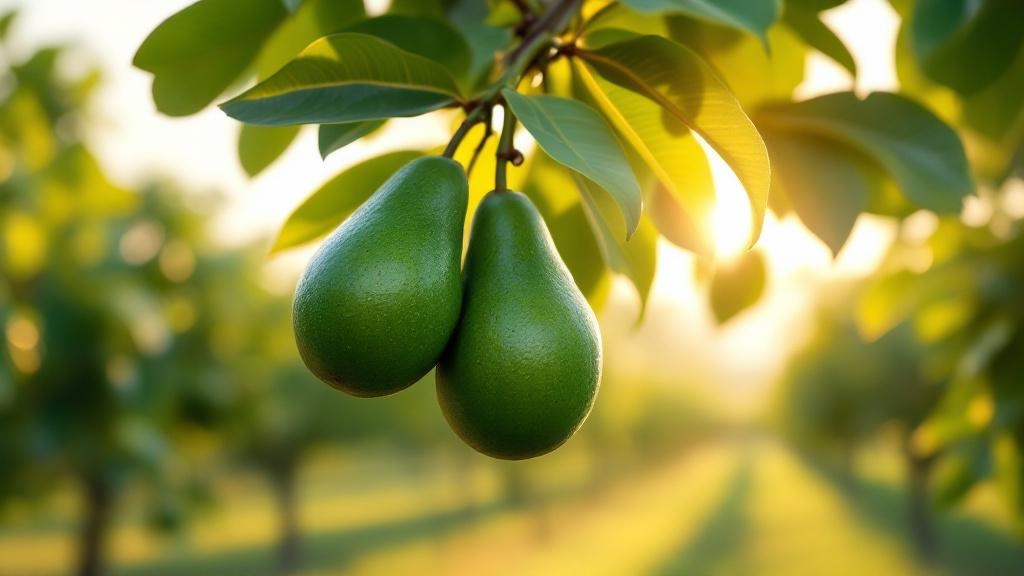
How to Water Your Avocado Tree Correctly
Water your avocado deeply when the top 5 cm of soil feels dry, typically every 7-10 days in summer and every 14-18 days in winter. These trees hate sitting in water, so ensure pots drain completely after watering. In heated homes during winter, monitor soil moisture carefully as central heating can dry soil faster than expected. Yellowing lower leaves often signal overwatering, while brown crispy leaf edges suggest underwatering.
Light Requirements for Healthy Growth
Avocados need bright light to thrive — ideally 6 or more hours of direct sunlight daily. Place your tree near a south or west-facing window from March through October. In the darker months from November to February, growth will slow naturally, but supplementing with a grow light for 4-6 hours helps prevent leggy, weak growth. Rotate your plant quarterly to encourage even development.
Soil Mix and Repotting Schedule
Use a well-draining potting mix with added perlite or coarse sand — a ratio of 2 parts potting soil to 1 part perlite works well. Avocados prefer slightly acidic soil with a pH of 6.0-6.5. Repot young trees annually in early April, moving up one pot size each time. Mature plants over 1 meter tall can be repotted every 2-3 years, or simply top-dress with fresh compost each spring.
Temperature and Humidity Needs
Keep your avocado in temperatures between 15-28°C year-round. These tropical trees cannot tolerate frost, so never leave them outdoors past mid-September in temperate regions. If you summer your plant outside from late May, bring it back indoors when night temperatures drop below 10°C. Average household humidity of 40-50% is acceptable, but misting leaves weekly or using a pebble tray benefits growth, especially during winter heating season.
Feeding Your Avocado Through the Seasons
Feed every 2-3 weeks from April through September with a balanced liquid fertilizer diluted to half strength. In October, reduce to monthly feeding, and stop completely from November through February when growth naturally slows. Avocados are sensitive to salt buildup, so flush the soil with plain water every 2-3 months to prevent fertilizer accumulation. Young pit-grown plants need no fertilizer for their first 4-6 months.
Common Problems and How to Fix Them
Spider mites are the most frequent pest, appearing as fine webbing on leaf undersides during dry winter months — treat with neem oil spray or insecticidal soap every 5-7 days until resolved. Brown leaf tips typically indicate low humidity, inconsistent watering, or fluoride in tap water; switch to filtered or rainwater if this persists. Root rot from overwatering causes drooping leaves and a mushy stem base — if caught early, repot into fresh dry soil and reduce watering frequency immediately.
Frequently asked questions
Can you grow avocado trees indoors in the UK or Northern Europe?
Yes, avocados grow well as indoor houseplants in temperate climates like the UK and Central Europe. They won't produce fruit without greenhouse conditions, but they make attractive foliage plants reaching 1-2 meters indoors. Place them in your brightest window and protect from cold drafts.
How often should I water my avocado plant?
Water your avocado every 7-10 days in summer and every 14-18 days in winter, allowing the top 5 cm of soil to dry between waterings. Always check soil moisture with your finger rather than watering on a fixed schedule. Drainage is critical — never let the pot sit in standing water.
Why are my avocado tree leaves turning brown?
Brown avocado leaves usually indicate underwatering, low humidity, or salt buildup from hard water or over-fertilizing. Check that you're watering deeply when the soil dries out and consider misting leaves weekly. Flushing the soil with distilled water monthly can help remove mineral buildup.
Is avocado toxic to cats and dogs?
Yes, avocado is toxic to cats, dogs, and birds. The leaves, pit, skin, and bark contain persin, a fungicidal toxin that can cause vomiting, diarrhea, and breathing difficulties in pets. Keep your avocado tree out of reach of curious animals and seek veterinary help if ingestion occurs.
When should I bring my avocado tree inside for winter?
Bring your avocado indoors in mid-September, before night temperatures drop below 10°C. Avocados are frost-tender and temperatures below 5°C can cause permanent damage. Gradually transition the plant over 1-2 weeks by bringing it in at night first to reduce shock from the change in conditions.
🩺 Common diseases and pests
These problems commonly affect this plant. Click any to see full symptom descriptions, organic and chemical treatment, and prevention.