Celery
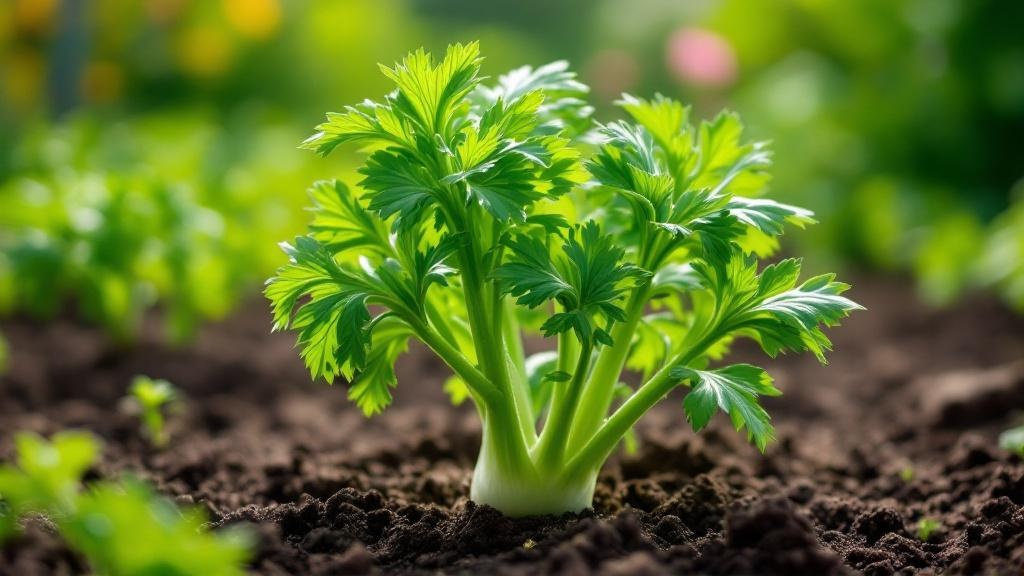
Celery has a reputation for being fussy, but with consistent moisture and cool temperatures, home gardeners can grow stalks that surpass anything from the supermarket. The most common question people search is how to prevent celery from becoming bitter or stringy. The secret lies in steady watering, rich soil, and understanding that celery thrives in the mild temperatures of spring and autumn rather than summer heat. In temperate zones 5-8, timing your planting correctly makes all the difference.
Watering Celery: The Key to Crisp Stalks
Celery demands consistent moisture more than almost any other vegetable. Water deeply every 1-2 days during dry spells, ensuring the soil never dries out completely. Inconsistent watering causes hollow, stringy, or bitter stalks. Mulch heavily with straw or compost in late May to retain soil moisture through summer.
Light Requirements for Healthy Celery Growth
Celery prefers full sun with 6-8 hours of direct light but tolerates partial shade, especially in warmer summers. In zones 6-8, afternoon shade during July and August prevents bolting and bitterness. Position plants where they receive morning sun but protection from intense afternoon heat.
Soil Preparation and Transplanting
Celery thrives in rich, moisture-retentive soil with a pH of 6.0-7.0. Amend beds with generous amounts of well-rotted compost or aged manure before planting. Transplant seedlings outdoors in mid-May after hardening off, spacing plants 20-25cm apart. The shallow root system benefits from a 5cm layer of organic mulch.
Temperature and Growing Season Timing
Celery is a cool-season crop that bolts in temperatures above 24°C. Start seeds indoors 10-12 weeks before last frost, typically in early February for a late May transplant. In temperate climates, the best harvests come from plants that mature in the cooler temperatures of September and October. Protect young transplants from late frosts with fleece covers.
Fertilizing for Robust Stalk Development
Celery is a heavy feeder requiring regular nutrition throughout the growing season. Apply a balanced organic fertilizer at transplanting, then side-dress with nitrogen-rich feed every 3-4 weeks from June onwards. Liquid seaweed or compost tea applied fortnightly supports strong cell development. Stop fertilizing 2-3 weeks before harvest.
Common Celery Problems and Solutions
Celery leaf miner is the most prevalent pest in temperate regions, creating brown tunnels in leaves; remove affected foliage immediately and use fine mesh netting as prevention. Septoria leaf spot appears as brown spots with yellow halos during wet summers; improve air circulation and avoid overhead watering. Slugs attack young transplants in May and June; use beer traps or organic slug pellets around plants.
Frequently asked questions
How often should I water celery plants?
Water celery every 1-2 days to keep soil consistently moist. Celery has shallow roots and cannot tolerate drought, even briefly. Aim for 2.5-5cm of water per week, increasing during hot spells, and mulch heavily to retain moisture.
Why is my homegrown celery bitter?
Bitter celery results from heat stress, inconsistent watering, or nutrient deficiency. Ensure plants receive steady moisture and temperatures below 24°C during stalk development. Blanching stalks by mounding soil or wrapping with cardboard 2-3 weeks before harvest also reduces bitterness.
When should I plant celery in the UK?
Sow celery seeds indoors in February or early March, then transplant hardened seedlings outdoors in mid to late May after the last frost risk passes. This timing allows plants to mature during the cooler autumn months for the best flavor and texture.
How do you blanch celery stalks?
Blanch celery 2-3 weeks before harvest by mounding soil around stalks or wrapping them with cardboard, newspaper, or purpose-made blanching collars. This blocks sunlight, producing paler, milder, more tender stalks. Self-blanching varieties require less effort but still benefit from close planting.
Is celery safe for cats and dogs?
Yes, celery is non-toxic and safe for cats and dogs to eat. The crunchy stalks can even be a healthy low-calorie treat for pets. However, cut celery into small pieces to prevent choking, especially for smaller animals.
🩺 Common diseases and pests
These problems commonly affect this plant. Click any to see full symptom descriptions, organic and chemical treatment, and prevention.