Conophytum
Conophytum, often called living pebbles or button plants, are tiny succulents that mimic stones in their native South African habitat. The most common question gardeners ask is why their Conophytum shrivels or rots, which usually comes down to watering at the wrong time. These plants have a reversed growth cycle compared to most houseplants, actively growing in autumn and winter while going dormant in summer. Understanding this unusual rhythm is the key to keeping these fascinating miniatures alive for decades.
Watering Your Conophytum: Timing Is Everything
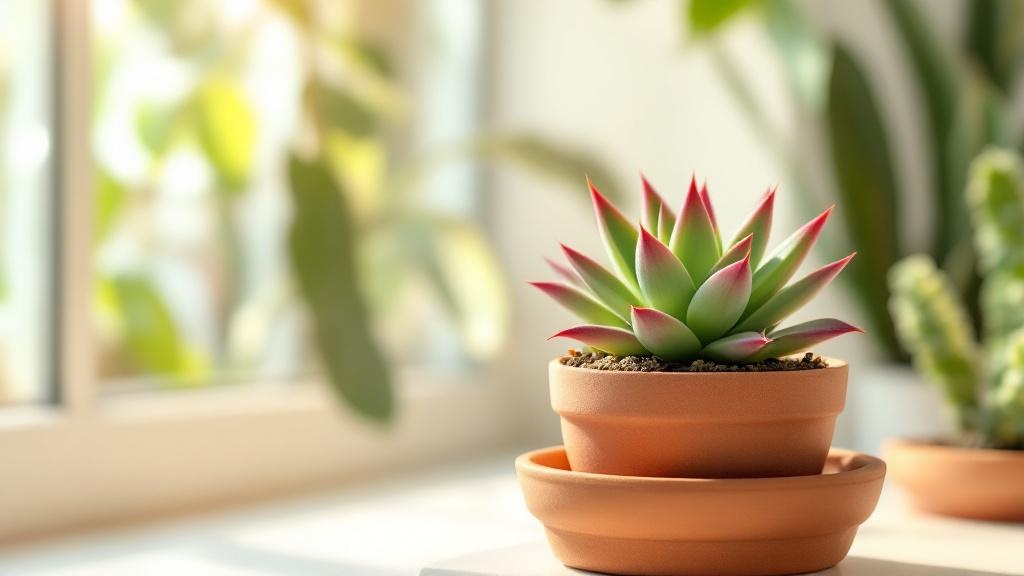
Conophytum have a reversed growing season, actively growing from September through April in temperate climates and going fully dormant in summer. During the autumn-winter growing period, water every 3-4 weeks, allowing soil to dry completely between waterings. From late May through August, stop watering entirely as the plant enters dormancy and the outer leaves form a protective papery sheath. Watering during summer dormancy is the fastest way to kill these plants through rot.
Light Requirements for Healthy Living Pebbles
Provide bright indirect light or gentle morning sun from an east-facing window. In Central European and UK climates, Conophytum can handle more direct light from October through March when sun intensity is lower. Avoid harsh afternoon sun, especially through glass in summer, which can scorch these small plants. If leaves stretch upward or lose their compact shape, the plant needs more light.
Soil and Repotting Conophytum
Use an extremely well-draining mix of roughly 70-80% mineral components like pumice, perlite, or fine gravel mixed with 20-30% standard cactus compost. Repot every 2-3 years in early autumn, just as growth resumes in September. Choose shallow, wide pots with drainage holes, as Conophytum have minimal root systems. A thin layer of fine gravel as top dressing helps prevent moisture sitting against the plant body.
Temperature and Humidity for Conophytum
These succulents prefer temperatures between 10-24°C and actually need cool nights in winter (down to 5°C) to trigger flowering. In temperate climates, keep them indoors year-round on a bright windowsill. They tolerate normal household humidity but dislike stuffy, humid conditions with poor airflow. A cool, bright spare room is often ideal for winter growing.
Fertilizing Living Pebbles
Feed sparingly with a diluted liquid cactus fertilizer at quarter strength once monthly during the active growing season from October through March. Never fertilize during summer dormancy when the plant cannot process nutrients. Overfertilizing causes soft, unnatural growth that is prone to rot. These slow-growing plants need far less feeding than most houseplants.
Common Problems with Conophytum
Root rot from summer watering is the primary killer, showing as soft, translucent plant bodies that collapse. Mealybugs sometimes hide in the papery dormant sheaths, so inspect plants carefully in September before watering resumes and treat with isopropyl alcohol on a cotton swab. Fungal issues can develop in humid, stagnant conditions, particularly during cool, damp UK winters. Ensure good ventilation and avoid wetting the plant body when watering.
Frequently asked questions
How often should I water Conophytum?
Water Conophytum every 3-4 weeks during their autumn-winter growing season from September to April, allowing soil to dry completely between waterings. Stop watering entirely from late May through August during summer dormancy. This reversed schedule is essential because these plants evolved with South African seasons.
Why is my Conophytum shriveling?
Shriveling in autumn or winter means your plant needs water, but shriveling in summer is normal dormancy behavior and should not be watered. During dormancy, the outer leaves naturally shrivel into a papery protective sheath while the new leaves form inside. Only water if shrinkage occurs during the active growing months.
When do Conophytum bloom?
Conophytum typically bloom in autumn, usually October or November in temperate northern climates. Flowers emerge from the center of the plant in white, pink, yellow, or orange depending on species. Cool night temperatures around 10-15°C help trigger blooming.
Is Conophytum toxic to cats?
No, Conophytum are not toxic to cats or dogs and are considered safe for homes with pets. While any plant material might cause mild stomach upset if eaten in large quantities, these succulents pose no serious poisoning risk. Their small size and lack of appealing taste make them unlikely targets for curious pets.
Why is my Conophytum turning mushy?
Mushiness indicates rot, almost always caused by watering during summer dormancy or overwatering in winter. Remove any rotted portions immediately with a sterile blade and let the wound dry for several days before replanting in fresh, dry soil. Prevent future rot by following the strict seasonal watering schedule and ensuring excellent drainage.