Red Currant
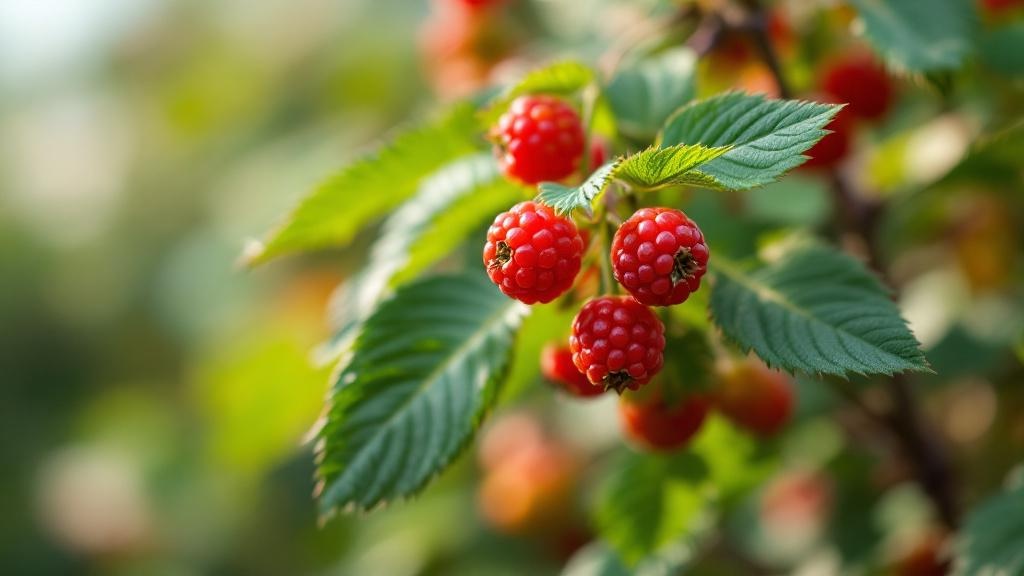
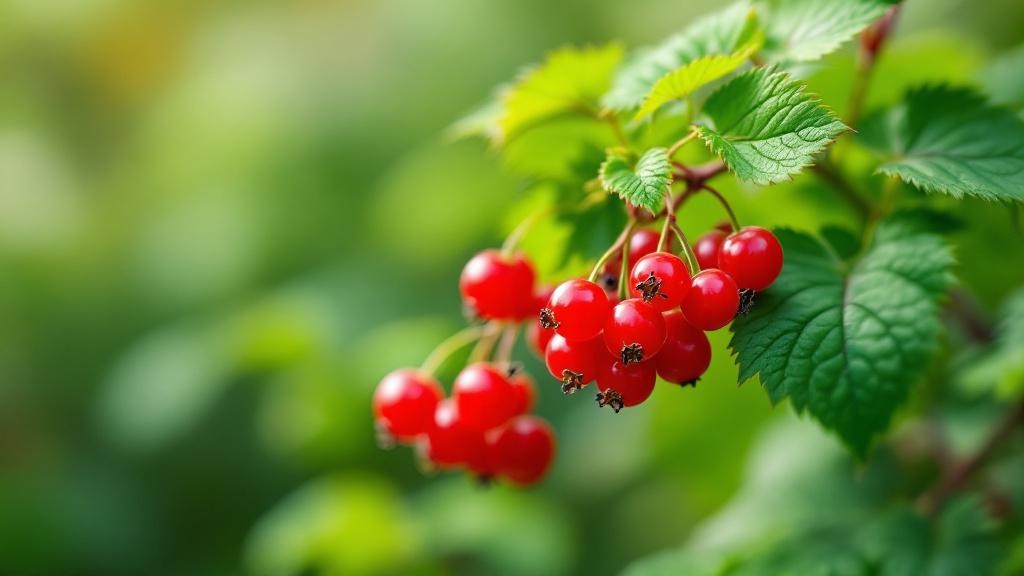
Red currants are one of the most rewarding soft fruits for home gardeners in temperate climates. These hardy bushes thrive where summers stay cool and produce abundant clusters of jewel-like berries from late June through July. The most common question gardeners ask is how to prune red currants correctly, since proper pruning directly impacts your harvest. Whether you grow them as bushes, cordons, or trained against a north-facing wall, red currants deliver reliable crops for 15-20 years with surprisingly little effort.
Watering Red Currants Through the Seasons
Water established red currants deeply once per week during dry periods from May through August, especially while fruits are swelling. Young plants in their first two years need consistent moisture to establish strong root systems. Mulching with compost or bark chips in April helps retain soil moisture and reduces watering frequency. Avoid overhead watering when fruits are ripening to prevent fungal issues.
Light Requirements for Maximum Berry Production
Red currants are remarkably shade-tolerant and will crop in partial shade, though full sun produces the sweetest berries and heaviest yields. In warmer parts of Zone 7-8, afternoon shade actually benefits the plants by preventing heat stress. They are ideal for north-facing walls or the shadier corners of vegetable gardens where other fruits would struggle. Ensure at least 4 hours of direct sunlight daily for decent cropping.
Soil and Planting Red Currant Bushes
Plant red currants in rich, moisture-retentive soil with good drainage between November and March while dormant. Dig in plenty of well-rotted manure or compost before planting, spacing bushes 1.5 meters apart. They tolerate a wide pH range of 5.5-7.0 but perform best in slightly acidic to neutral soil. Repotting container-grown specimens every 3-4 years in late winter keeps them productive.
Temperature and Climate Considerations
Red currants are extremely cold-hardy, tolerating winter temperatures down to minus 20C without protection. They actually require a period of winter chill below 7C to fruit properly, making them ideal for Central Europe, the UK, and Northern US zones 3-8. Late spring frosts can damage flowers in April, so avoid planting in frost pockets or cover bushes with fleece when frost threatens during bloom. Summer temperatures above 30C may cause sunscald on fruits.
Feeding Your Red Currant Bushes
Apply a balanced fertilizer such as blood, fish, and bone meal in late February at a rate of 70g per square meter around each bush. Follow this with a 5cm layer of well-rotted compost or manure as mulch, keeping it away from the stem. Potassium is particularly important for fruit production, so supplement with sulphate of potash in early spring if growth seems weak. Avoid high-nitrogen feeds after May as these promote leafy growth at the expense of fruit.
Common Red Currant Problems and Solutions
Gooseberry sawfly caterpillars can strip bushes bare from May onwards; inspect leaf undersides regularly and pick off caterpillars or spray with pyrethrin-based products. Powdery mildew appears as white coating on leaves during dry summers; improve air circulation through pruning and water at soil level. Big bud mite causes swollen, rounded buds visible in winter; remove and destroy affected buds before March and consider replacing severely infested plants.
Frequently asked questions
How do you prune red currants and when?
Prune red currants in late winter between December and February while fully dormant. Remove any dead, diseased, or crossing branches first, then shorten the previous season's growth on main branches to one bud. Unlike blackcurrants, red currants fruit on old wood, so maintain a permanent framework of 8-10 main branches and spur-prune the sideshoots annually.
Why are my red currant leaves turning yellow?
Yellow leaves on red currants typically indicate nutrient deficiency, usually nitrogen or iron, especially in alkaline soils. Check your soil pH and apply an ericaceous feed if above 7.0. Overwatering can also cause yellowing by starving roots of oxygen, so ensure soil drains freely and reduce watering frequency if the ground stays soggy.
When do red currants fruit and ripen?
Red currants flower in April and ripen from late June through mid-July in most temperate regions. The berries are ready when fully colored and slightly soft to the touch but still firm. Harvest entire strigs using scissors rather than picking individual berries to avoid damaging the fruit.
Are red currants toxic to cats or dogs?
Red currants are completely non-toxic to cats, dogs, and other pets. Both the fruits and plant are safe, unlike true currants and grapes which can harm pets. However, the tart taste means most animals show little interest in eating them.
Can you grow red currants in pots and containers?
Yes, red currants grow well in large containers of at least 45cm diameter. Use John Innes No. 3 compost mixed with perlite for drainage, and water consistently as pots dry faster than ground soil. Feed fortnightly with liquid tomato fertilizer from flowering until harvest and repot every three years in late winter.