Laurustinus
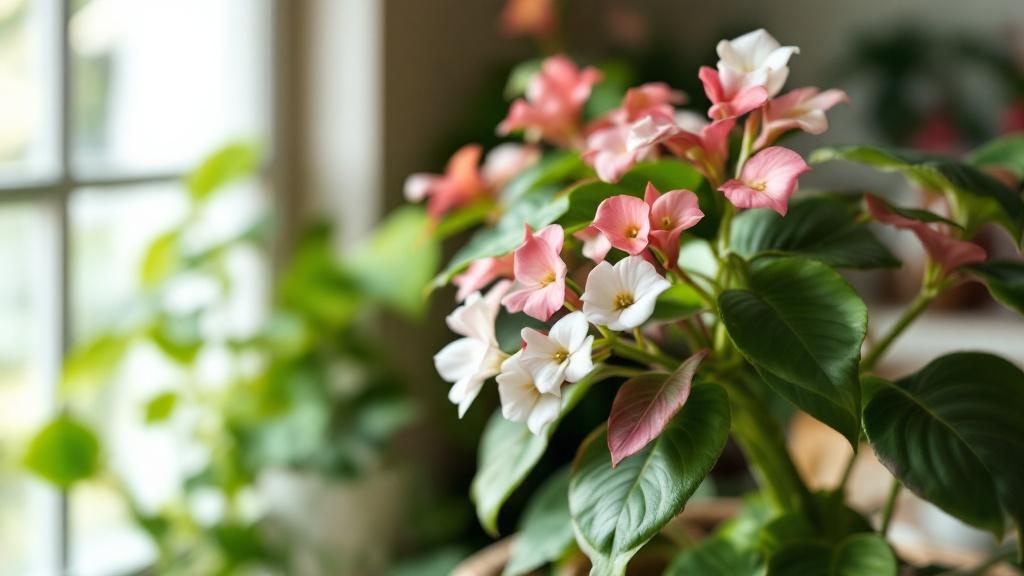
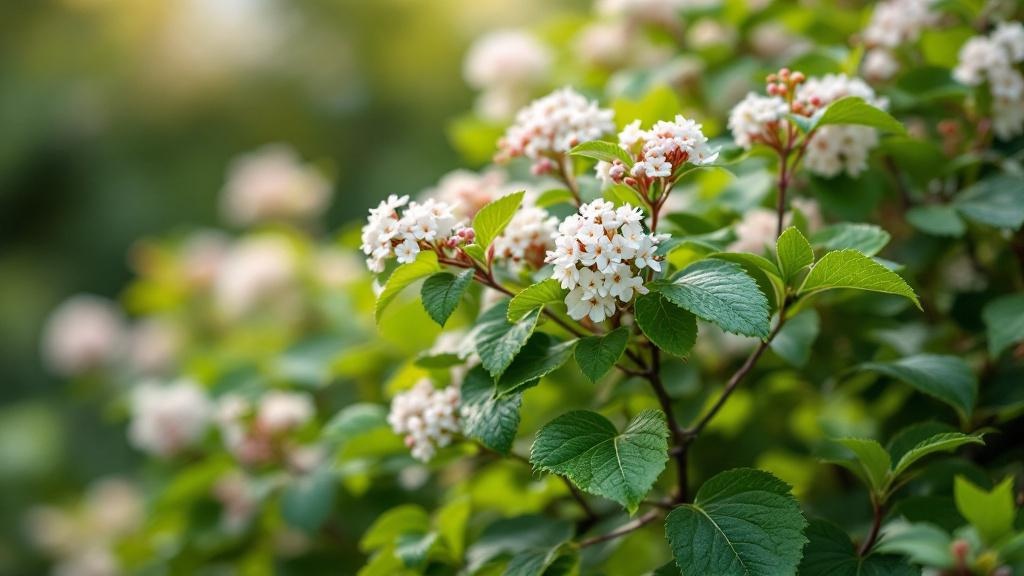
Laurustinus (Viburnum tinus) is one of the few shrubs that delivers clusters of fragrant white-pink flowers from November through April, precisely when gardens need colour most. Native to the Mediterranean, it adapts beautifully to temperate climates in USDA zones 7-8, and even zone 6 with protection. The most common question gardeners ask is whether Laurustinus can survive harsh winters — the answer is yes, with proper siting and mulching, making it a reliable year-round performer.
Watering Your Laurustinus Through the Seasons
Water newly planted shrubs deeply once a week from April through September to establish strong roots. Established plants are drought-tolerant but appreciate a thorough soaking every 10-14 days during dry summer spells. Reduce watering significantly from October onward, as wet winter soil promotes root rot. Always water at the base rather than overhead to keep foliage dry.
Light Requirements for Healthy Growth
Laurustinus performs best in full sun to partial shade, needing at least 4 hours of direct sunlight for optimal flowering. In zone 5-6 areas, plant against a south or west-facing wall where reflected warmth protects against frost. Too much deep shade results in leggy growth and sparse blooms. Morning sun with afternoon shade works well in hotter microclimates.
Soil and Repotting Guidelines
Plant in well-draining, moderately fertile soil enriched with compost or well-rotted manure at planting time in early autumn or mid-spring. Laurustinus tolerates chalk, clay, and slightly acidic soils but resents waterlogging. For container growing, use a loam-based compost like John Innes No. 3 and repot every 2-3 years in March before active growth begins. Add a 5cm layer of bark mulch around the base each November to insulate roots.
Temperature and Humidity Needs
Laurustinus handles temperatures down to minus 10-12 degrees Celsius once established, though young plants need fleece protection during their first two winters. Cold, drying winds cause more damage than low temperatures, so shelter from northeast exposure is essential. Average humidity suits this shrub perfectly — no misting required. In severe cold snaps below minus 15C, expect some leaf scorch that typically recovers by late spring.
Fertilizing for Abundant Blooms
Apply a balanced slow-release fertilizer like Growmore in late March as new growth emerges, and again lightly in June. Avoid high-nitrogen feeds after July, as soft late growth is vulnerable to frost damage. Container plants benefit from liquid feeding every 3-4 weeks during the growing season. A top-dressing of fish blood and bone in autumn supports root development before winter.
Common Problems and Solutions
Viburnum beetle larvae create distinctive holes in leaves from late April through June — pick off affected leaves and apply nematodes in autumn to target overwintering larvae in the soil. Grey mould (Botrytis) appears as fuzzy growth on flowers during wet winters; improve air circulation by thinning crowded stems in late spring. Aphids cluster on new growth from May onward and can be controlled with a strong water spray or fatty acid-based sprays if severe.
Frequently asked questions
How often should I water Laurustinus?
Water established Laurustinus every 10-14 days during dry summer periods and minimally in winter. Young plants need weekly watering from spring through autumn until their root system matures, typically after two full growing seasons. Always check that the top 5cm of soil has dried before watering again.
Why are my Laurustinus leaves turning yellow?
Yellow leaves usually indicate overwatering or poor drainage causing root stress. Check that water drains freely from the planting area and reduce irrigation frequency, especially in autumn and winter. Nutrient deficiency is less common but can occur in very poor or alkaline soils — apply a balanced fertilizer in spring if drainage is adequate.
When does Laurustinus bloom?
Laurustinus blooms from November through April, with peak flowering typically in February and March in temperate zones. The pink buds open to fragrant white flowers that attract early pollinators. After flowering, metallic blue-black berries develop and persist through summer, providing food for birds.
Is Laurustinus toxic to cats and dogs?
Laurustinus is mildly toxic if pets consume the berries or leaves in significant quantities, potentially causing vomiting or diarrhea. Most animals ignore the bitter foliage, and serious poisoning is rare. If you suspect ingestion, monitor for digestive upset and consult your vet if symptoms persist beyond 24 hours.
Can Laurustinus survive a hard frost?
Yes, established Laurustinus survives temperatures down to minus 10-12 degrees Celsius without permanent damage. Protect young plants under three years old with horticultural fleece during severe cold spells and apply thick mulch around the root zone each November. Cold wind shelter is more important than temperature alone for winter survival.