Medlar
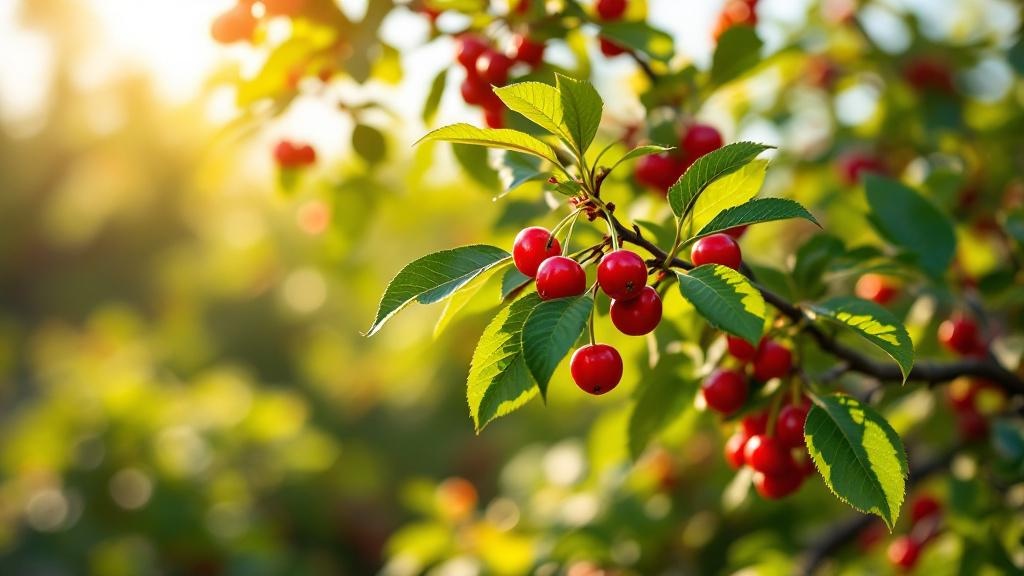
The medlar is one of the forgotten treasures of temperate orchards, a self-fertile tree that thrives where apples grow and rewards patience with honey-sweet fruit. Most gardeners searching for medlar care want to know one thing: when and how to harvest the unusual fruits that must be bletted (softened by frost) before they become edible. Once you understand this quirky harvest timing, growing medlar becomes remarkably straightforward.
Watering Your Medlar Tree
Young medlar trees need consistent moisture during their first two growing seasons. Water deeply once per week from April through September, providing roughly 20-30 liters per session. Established trees (3+ years) are drought-tolerant and typically only need supplemental watering during prolonged dry spells in summer. Reduce watering in autumn to help the tree harden off before winter.
Light Requirements for Healthy Growth
Medlars perform best in full sun, receiving at least 6 hours of direct sunlight daily. However, they tolerate partial shade better than most fruit trees, making them suitable for spots where apples might struggle. In warmer zone 8 areas, afternoon shade can prevent heat stress. South or west-facing positions against a wall encourage earlier fruiting and better fruit development.
Soil and Repotting Needs
Plant medlars in well-drained, fertile loam with a pH between 6.0 and 7.0. They tolerate clay soils better than most fruit trees but resent waterlogging. When planting bare-root trees in late November through March, dig a hole twice the root spread width and incorporate well-rotted compost. Container-grown medlars need repotting every 2-3 years into progressively larger pots until reaching final planting size.
Temperature and Humidity Tolerance
Medlars are exceptionally winter-hardy, surviving temperatures down to minus 20C without protection. They actually require winter chill (400-500 hours below 7C) to fruit properly, making them ideal for zones 5-8. Late spring frosts rarely damage flowers since medlars bloom in late May, after most frost risk passes. They handle typical temperate humidity without disease issues.
Fertilizing for Fruit Production
Apply a balanced organic fertilizer (such as blood, fish, and bone meal) in early March before growth begins, using roughly 100g per year of tree age up to 1kg maximum. A second light application in late May supports fruit development. Avoid high-nitrogen feeds after midsummer, as this promotes soft growth vulnerable to winter damage. Mulch annually with well-rotted manure in autumn.
Common Problems and Solutions
Medlars are largely trouble-free but watch for brown rot (Monilinia), which causes fruit to shrivel and mummify on the branch. Remove affected fruits immediately and clear fallen debris in autumn. Aphids occasionally colonize young shoots in May; a strong water spray or treatment with insecticidal soap resolves minor infestations. Fireblight can occur in wet springs; prune affected branches 30cm below visible damage and sterilize tools between cuts.
Frequently asked questions
When do you harvest medlar fruit?
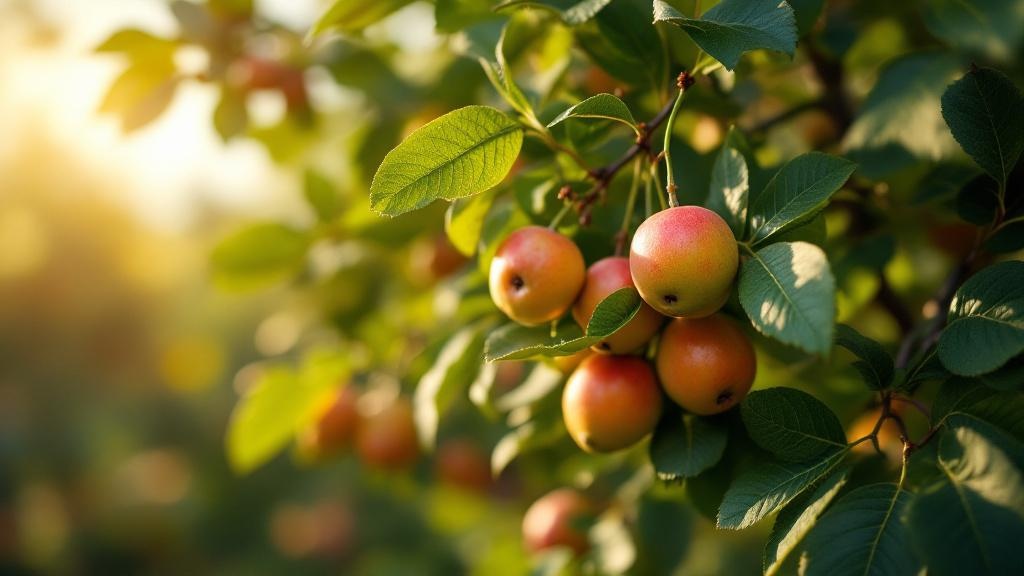
Harvest medlars in late October or November after the first hard frost, when fruits detach easily but remain firm. The frost begins the bletting process, breaking down tannins inside the fruit. Pick all fruits before severe freezing and complete bletting indoors in a cool, dark place for 2-3 weeks until flesh turns soft and brown.
Why are my medlar tree leaves turning yellow?
Yellow medlar leaves in autumn are completely normal seasonal senescence. However, yellowing in summer usually indicates waterlogging, nutrient deficiency (especially iron in alkaline soils), or drought stress. Check soil drainage first, then consider a soil test if the problem persists. Adjusting pH with sulfur or adding iron chelates corrects most nutrient-related yellowing.
Is medlar fruit toxic to dogs or cats?
Medlar fruit, leaves, and bark are non-toxic to dogs, cats, and other pets. The fruits are safe if your pet eats windfall medlars from the garden. The seeds contain small amounts of cyanogenic compounds like apple seeds, but the quantity is too low to cause harm unless consumed in unrealistic amounts.
How long until a medlar tree produces fruit?
Grafted medlar trees typically begin fruiting in their third or fourth year after planting. Seed-grown trees take significantly longer, often 6-8 years, and may not produce true to the parent variety. For fastest results, purchase a named cultivar like Nottingham or Royal on quince rootstock, which also keeps the tree to a manageable 3-4 meter height.
What does medlar fruit taste like when ripe?
Properly bletted medlar tastes like spiced apple butter with hints of wine, cinnamon, and dates. The texture becomes soft and spreadable, similar to thick apple sauce. Unbletted fruit is hard, astringent, and unpleasant due to high tannin content. The transformation during bletting converts starches to sugars and breaks down the harsh tannins, revealing the complex sweet flavor.