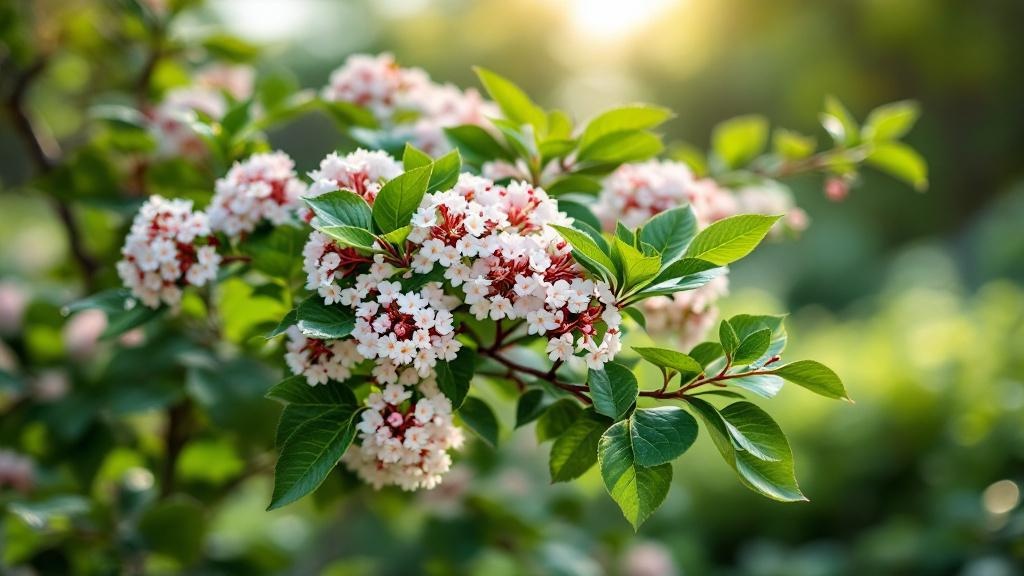
Japanese Camellia
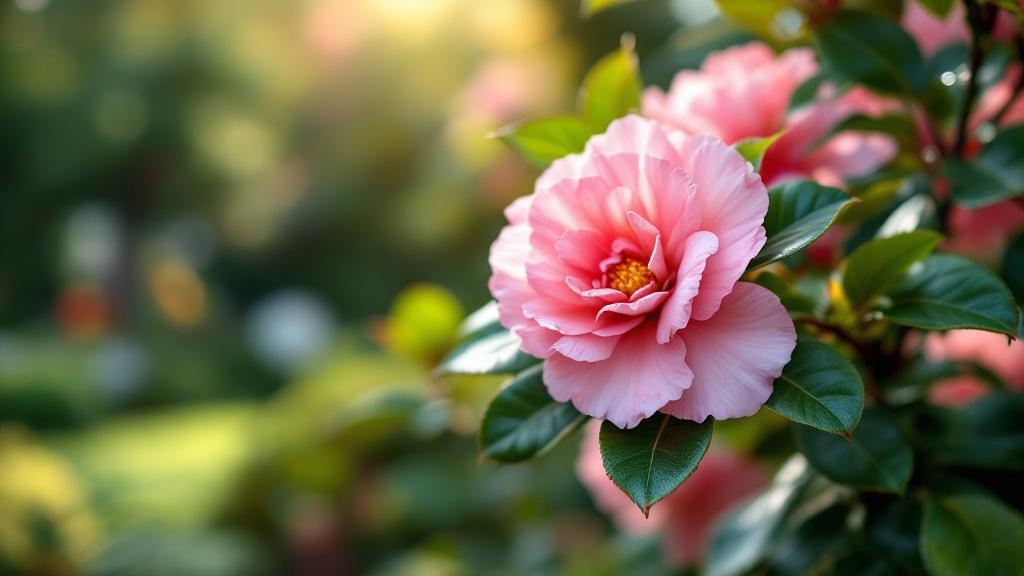
Japanese Camellia delivers breathtaking rose-like flowers when most gardens lie dormant, blooming from late winter through early spring. This aristocratic evergreen shrub has graced gardens for centuries, yet many gardeners struggle with one frustrating question: why do camellia buds drop before opening? The answer usually lies in inconsistent watering or temperature fluctuations. With proper care, these shade-loving beauties thrive for decades in temperate climates, rewarding patient gardeners with hundreds of blooms each season.
Watering Your Japanese Camellia Correctly
Water deeply once or twice weekly during the growing season, allowing the top 5cm of soil to dry between waterings. In hot August spells, increase frequency to prevent bud drop. Reduce watering from November through February but never let the rootball dry out completely, as this causes flower buds to abort. Rainwater is ideal since camellias dislike lime; if using tap water in hard-water areas, let it stand overnight.
Light Requirements for Healthy Camellias
Japanese Camellias thrive in dappled shade or a north-facing position with protection from harsh afternoon sun. Morning sun is beneficial, especially for drying dew on leaves and preventing fungal issues. In temperate zones, avoid south-facing walls where winter sun followed by rapid freezing damages flower buds. An east-facing spot under deciduous trees provides ideal conditions year-round.
Soil and Repotting Guidelines
Plant in acidic soil with a pH between 5.5 and 6.5; camellias develop yellow leaves (chlorosis) in alkaline conditions. Mix ericaceous compost with bark chips and leaf mould for perfect drainage. Container camellias need repotting every 2-3 years in March, just after flowering ends. Top-dress established garden specimens each April with ericaceous compost and well-rotted pine bark.
Temperature and Humidity Needs
Most Camellia japonica cultivars tolerate temperatures down to minus 10C once established, though flower buds are vulnerable to late frosts. Protect plants from cold drying winds with hessian screens from December through March. Moderate humidity suits them well; mist container plants indoors during winter when central heating dries the air. Avoid placing potted camellias near radiators or heat sources.
Fertilizing for Abundant Blooms
Apply a slow-release ericaceous fertilizer in late March as new growth begins, and again lightly in June. Avoid high-nitrogen feeds after July, which promote soft growth vulnerable to frost. Yellowing between leaf veins often signals iron deficiency in alkaline soils; treat with chelated iron (sequestered iron) as a foliar spray or soil drench. Stop all feeding by September to allow plants to harden off before winter.
Common Problems and Solutions
Bud drop is the most frustrating issue, caused by irregular watering, frost damage, or moving container plants while buds are forming; maintain consistent moisture and position from September onwards. Sooty mould and scale insects often appear together: the sticky honeydew from scale feeds the black fungus. Treat scale with horticultural oil sprays in May before populations build. Petal blight causes brown spots on flowers during wet springs; remove affected blooms promptly and clear fallen petals to break the disease cycle.
Frequently asked questions
How often should I water a Japanese Camellia?
Water established camellias deeply once or twice per week during spring and summer, more frequently in hot dry spells. Reduce watering in winter but never allow roots to dry out completely. Consistent moisture is critical from August through bloom time to prevent bud drop.
Why are my camellia leaves turning yellow?
Yellow leaves typically indicate chlorosis caused by alkaline soil blocking iron uptake. Test your soil pH and aim for 5.5 to 6.5. Apply sequestered iron and mulch with ericaceous compost to gradually acidify the soil. Hard tap water can also raise pH over time in containers.
When does Japanese Camellia bloom in the UK?
Japanese Camellia blooms from February through April in temperate UK gardens, depending on the cultivar and local conditions. Early varieties may start in late January during mild winters. Protect opening buds from late frosts with fleece to prevent browning.
Is Japanese Camellia toxic to cats?
No, Japanese Camellia is not toxic to cats or dogs. The ASPCA lists Camellia japonica as non-toxic to pets, making it a safe choice for gardens where animals roam. However, ingesting large amounts of any plant material may cause mild stomach upset.
Why are my camellia buds falling off before opening?
Bud drop usually results from inconsistent watering during bud formation from late summer through winter. Drought stress, overwatering, sudden temperature changes, or moving container plants after buds set all trigger this response. Maintain even moisture and avoid relocating plants once buds appear in autumn.
🩺 Common diseases and pests
These problems commonly affect this plant. Click any to see full symptom descriptions, organic and chemical treatment, and prevention.