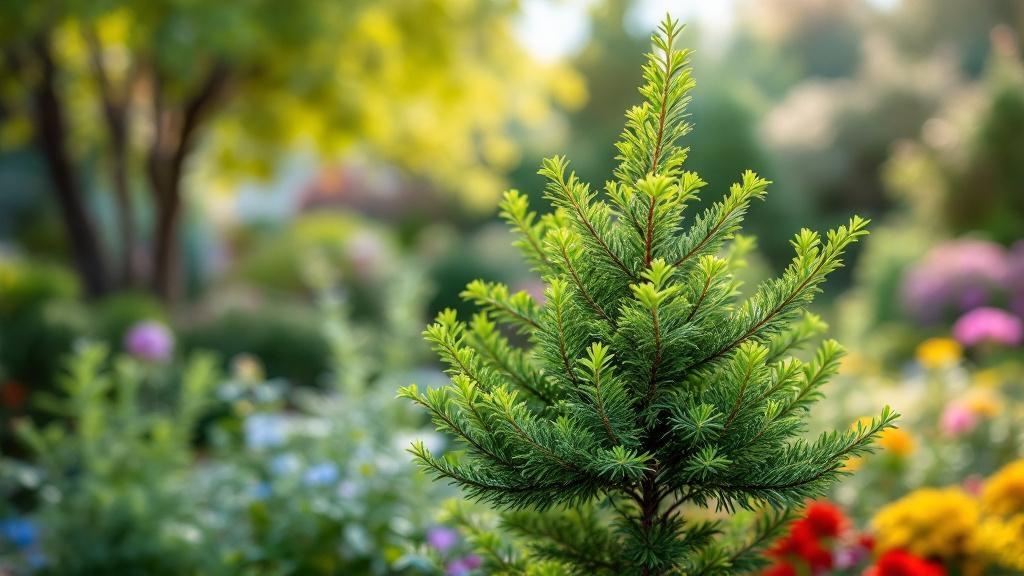
Juniper
Junipers are among the most reliable evergreen shrubs for temperate gardens, prized for their sculptural forms and low maintenance requirements. Whether you're growing upright columnar varieties or spreading groundcovers, the most common question is how much water these tough plants actually need. Unlike tropical houseplants, junipers prefer drier conditions and struggle in wet soil—making them ideal for gardeners seeking resilient, water-wise landscaping.
Watering Juniper Shrubs
Once established (after the first growing season), junipers are very drought-tolerant and need minimal supplemental watering. Water newly planted junipers every 7-10 days for the first month, then reduce to monthly during dry spells. In temperate regions with regular spring and autumn rainfall, established plants rarely need hand-watering. Overwatering is the most common cause of root rot; ensure soil dries out between waterings.
Light Requirements for Junipers
Junipers demand full sun for best growth and color intensity—aim for at least 6 hours of direct sunlight daily. In insufficient light, foliage becomes sparse and plants lose their compact form. Variegated and colored cultivars (golden, silver, or bronze) show their richest hues in full sun. Afternoon shade in extremely hot regions (above 35°C) is acceptable, but avoid planting near tall trees or buildings that create shade.
Soil & Repotting Juniper
Junipers thrive in well-draining, sandy, or gravelly soil with low fertility—rich garden soil promotes weak growth and disease. Before planting, amend heavy clay with coarse sand and grit to improve drainage. Container-grown junipers rarely need repotting; if required, refresh the top 5 cm of soil every 2-3 years. Use a cactus or alpine potting mix rather than standard multipurpose compost to prevent waterlogging.
Temperature & Humidity
Junipers are extremely cold-hardy and thrive in USDA zones 3-9 (temperate and cooler climates). They tolerate winter temperatures well below -20°C without protection. High humidity can increase disease risk, particularly in autumn and spring; ensure good air circulation around plants. In humid summers, water early in the day and avoid overhead irrigation to reduce fungal infection risk.
Fertilizing Juniper Shrubs
Junipers are low-nutrient plants and rarely need fertilizing, especially in established landscapes. Overfertilizing produces soft growth prone to pests and diseases. If growth appears slow, apply a light dressing of balanced, slow-release fertilizer (or rock dust) in early spring. Avoid high-nitrogen products; junipers respond better to mineral-rich amendments.
Common Problems & Solutions
Spider mites and scale insects are the main pests in temperate gardens; spray affected foliage with neem oil or horticultural soap in late April or early August. Phytophthora root rot and juniper blight (Phomopsis) are serious fungal diseases, usually triggered by poor drainage or wet conditions—improve aeration and reduce watering. Browning of inner foliage is normal needle drop; light pruning in late March encourages bushier growth and removes dead wood.
Frequently asked questions
How often should I water a juniper shrub?
Once established, water only during dry spells—typically every 3-4 weeks in summer if there's no rain. Newly planted junipers need water every 7-10 days for the first month to establish roots, then reduce frequency. Overwatering is the leading cause of juniper death, so err on the side of dry soil.
Why is my juniper turning brown?
Brown foliage usually indicates overwatering, poor drainage, or fungal disease (juniper blight). Check soil moisture first—if soggy, repot or improve drainage immediately. If tips are brown but soil is dry, suspect spider mites (common in temperate heat waves); spray with neem oil every 7 days. Avoid overhead watering and ensure 6+ hours of direct sun.
When should I prune juniper shrubs?
Prune junipers lightly in late March or early April before new growth begins. Remove dead or diseased branches and thin crowded stems to improve air flow. Avoid heavy pruning into bare wood—junipers do not regenerate well from hard cuts. Annual light tidying is better than occasional severe pruning.
Can juniper grow in partial shade?
Junipers can tolerate light afternoon shade but perform best in full sun (6+ hours daily). In partial shade, growth becomes sparse and compact, and colored varieties lose their vibrant pigment. If your site gets less than 4 hours of sun, consider a shade-tolerant alternative like yew or box.
Is juniper toxic to pets?
Junipers are mildly toxic to dogs and cats; ingestion can cause digestive upset or mild irritation. The foliage and essential oils are the main concern. If your pet ingests juniper, monitor for vomiting or loose stools and contact a vet if symptoms persist. Most pets avoid eating the prickly foliage naturally.