Cape Primrose
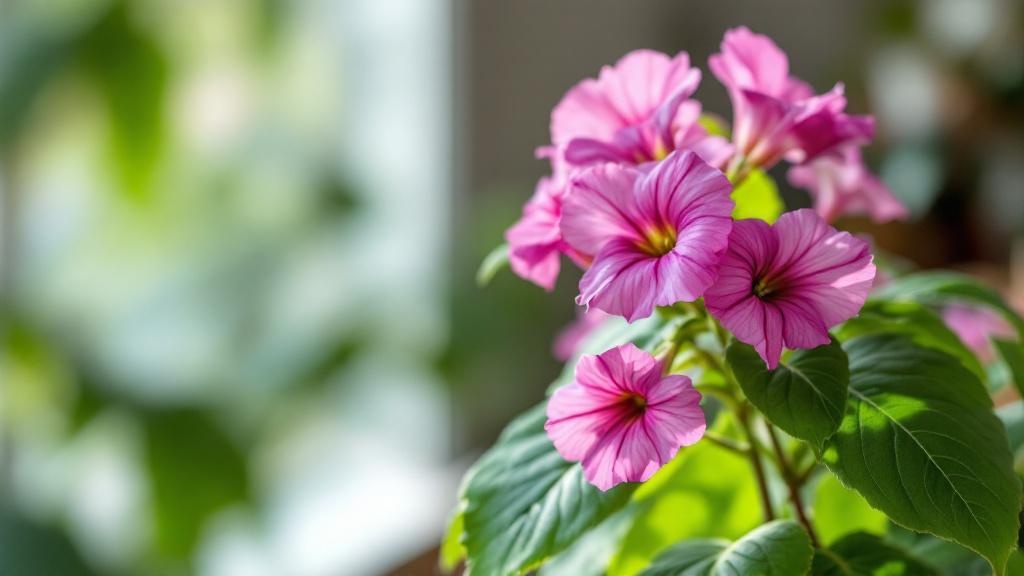
Cape Primrose delivers months of delicate, orchid-like blooms in colors from deep purple to soft pink and white, making it a favorite among houseplant collectors. The most common question gardeners ask is why their Streptocarpus stops flowering or develops yellowing leaves. The good news: this plant is forgiving once you understand its simple needs for bright light without direct sun, consistent moisture, and cool-to-moderate temperatures that suit temperate homes perfectly.
Watering Your Cape Primrose Correctly
Water when the top 2cm of soil feels dry, typically every 5-7 days in spring and summer, extending to 10-14 days in winter. Always water from below by placing the pot in a saucer of room-temperature water for 20-30 minutes, then draining thoroughly. Cape Primrose leaves are prone to rot and unsightly water spots if watered from above. Never let the plant sit in standing water, as root rot develops quickly in soggy conditions.
Light Requirements for Continuous Blooms
Position your Streptocarpus in bright indirect light, ideally near an east or north-facing window in the UK and Central Europe, or a bright north window in the Northern US. Direct afternoon sun will scorch the leaves, causing brown crispy patches. From late October through February, when daylight hours drop significantly, consider supplementing with a grow light for 12-14 hours daily to maintain flowering. Plants that stop blooming in winter usually resume in late March as natural light increases.
Soil Mix and Repotting Schedule
Use a light, well-draining mix such as commercial African violet soil or create your own with equal parts peat-free compost, perlite, and vermiculite. Repot every 12-18 months in early spring, moving up only one pot size as Cape Primrose blooms best when slightly root-bound. Choose shallow, wide pots rather than deep ones, as Streptocarpus has a shallow root system. Terracotta pots work well as they allow excess moisture to evaporate.
Temperature and Humidity Preferences
Cape Primrose thrives in the moderate temperatures typical of temperate homes, ideally between 15-24°C during the day with cooler nights around 13-16°C. Avoid placing near radiators, heat vents, or cold draughts from windows in winter. Humidity of 50-60% suits this plant well; in centrally heated homes during winter, place the pot on a pebble tray with water or group with other plants. Temperatures below 10°C will damage the plant, so keep away from unheated rooms from November through March.
Feeding for Maximum Flowering
Apply a balanced liquid fertilizer diluted to half strength every 2 weeks from April through September during active growth. Switch to a high-potassium tomato feed once flower buds appear to encourage more prolific blooming. Reduce feeding to monthly from October and stop entirely from December through February when growth naturally slows. Over-fertilizing causes salt buildup visible as white crust on soil surface and brown leaf edges.
Common Problems and Solutions
Yellowing older leaves usually indicate overwatering or natural leaf senescence; remove spent leaves at the base to encourage new growth. Brown leaf tips suggest low humidity or fertilizer burn, easily fixed by increasing humidity and flushing soil with plain water. Watch for fungus gnats in autumn and winter when soil stays moist longer; allow soil to dry more between waterings and use yellow sticky traps. Mealybugs occasionally appear in leaf axils; dab with rubbing alcohol on a cotton bud and isolate affected plants.
Frequently asked questions
How often should I water Cape Primrose?
Water your Cape Primrose every 5-7 days in summer and every 10-14 days in winter, when the top 2cm of soil is dry. Always water from below to avoid wetting the fuzzy leaves, which can cause rot and unsightly spots. Consistent moisture without waterlogging is key to healthy growth.
Why are my Streptocarpus leaves turning yellow?
Yellow leaves on Cape Primrose most commonly indicate overwatering or natural aging of older outer leaves. Check that your pot has drainage holes and that you are allowing soil to dry slightly between waterings. Remove yellowed leaves at the base to redirect energy to new growth and flowers.
When does Cape Primrose bloom?
Cape Primrose blooms from late spring through autumn, typically May to October in temperate climates, with peak flowering in summer. With adequate light, some varieties bloom nearly year-round indoors. Flowering slows naturally in winter due to reduced daylight but resumes as days lengthen in March.
Is Cape Primrose toxic to cats?
No, Cape Primrose is non-toxic to cats, dogs, and humans, making it an excellent choice for pet-friendly households. While ingestion may cause mild stomach upset in pets, there are no serious toxicity concerns. It remains one of the safest flowering houseplants available.
Why has my Streptocarpus stopped flowering?
The most common reason Cape Primrose stops flowering is insufficient light, especially during winter months. Move your plant to a brighter location or add supplemental grow lights for 12-14 hours daily. Also ensure you are feeding with a potassium-rich fertilizer during the growing season and removing spent flower stalks promptly.