Napa Cabbage
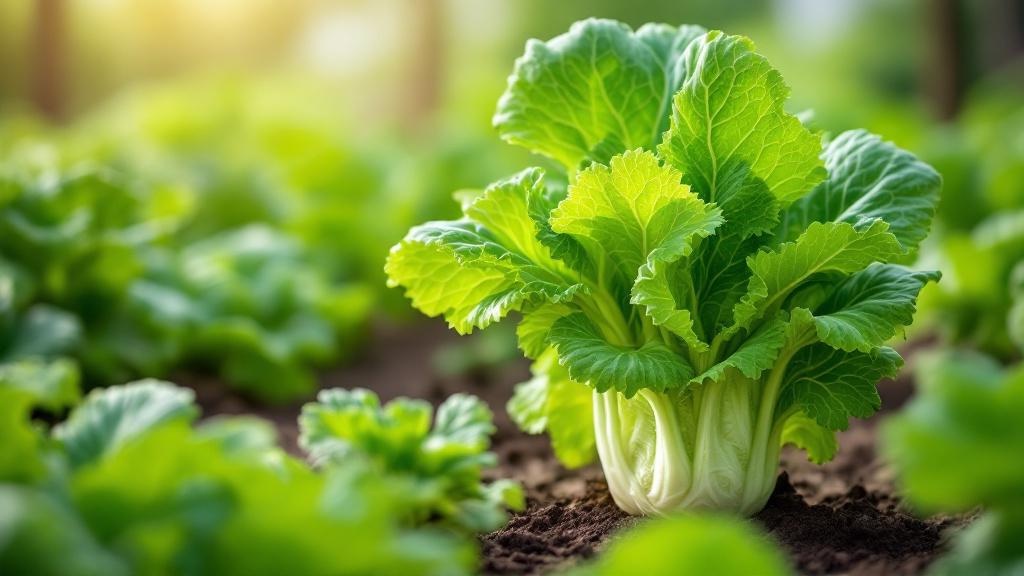
Napa cabbage, also called Chinese cabbage, is prized for its tender, mild leaves that work beautifully in stir-fries, kimchi, and fresh salads. The most common question gardeners ask is when to plant it, since this cool-season crop bolts quickly in summer heat. In temperate zones, timing your sowing for early spring or late summer is the key to success, giving you sweet, tightly wrapped heads before extreme temperatures arrive.
Watering Your Napa Cabbage for Crisp Heads
Napa cabbage needs consistent, even moisture throughout its growing cycle. Water deeply every 2-3 days during dry spells, aiming for about 25-40mm per week total. Mulch around plants with straw or compost to retain soil moisture and keep roots cool. Irregular watering causes tip burn on inner leaves and encourages premature bolting.
Light Requirements for Optimal Growth
Grow Napa cabbage in full sun for the fastest head development, though it tolerates partial shade, especially in warmer periods. In late spring plantings, afternoon shade actually helps prevent bolting as temperatures climb. Aim for at least 4-6 hours of direct sunlight daily for well-formed, dense heads.
Soil Preparation and Transplanting
Napa cabbage thrives in fertile, well-draining soil rich in organic matter with a pH of 6.0-7.5. Work in well-rotted compost or aged manure before planting. Transplant seedlings 30-45cm apart in rows 45-60cm apart in early April for spring crops, or direct sow in late July through mid-August for autumn harvest. The autumn crop often produces better heads with fewer pest problems.
Temperature and Seasonal Timing
This cool-season brassica grows best between 10-21°C and can tolerate light frosts, which actually sweeten the leaves. Temperatures above 24°C trigger bolting, sending up flower stalks and ruining the harvest. In USDA zones 5-8, plant in late March to early April or late July to August to avoid summer heat. Established autumn plants can withstand frosts down to minus 6°C with row cover protection.
Fertilizing for Leafy Growth
Feed Napa cabbage every 3 weeks with a balanced vegetable fertilizer or side-dress with compost. As a leafy crop, it benefits from nitrogen-rich amendments, but avoid over-fertilizing which creates loose heads. Apply a fish emulsion or seaweed feed at half strength when heads begin forming, typically 40-50 days after transplanting.
Common Problems and Pest Management
Flea beetles create tiny shot-holes in leaves, especially on spring plantings — cover young plants with fleece or fine mesh netting immediately after transplanting. Slugs and snails are particularly problematic in damp autumn weather; use beer traps or iron phosphate pellets around plants. Cabbage root fly attacks roots from May onwards, so fit brassica collars around stems at planting time. Club root causes wilting and stunted growth in acidic soils; rotate crops and lime the bed if this fungal disease appears.
Frequently asked questions
How long does Napa cabbage take to grow?
Napa cabbage matures in 60-80 days from transplanting, depending on variety and growing conditions. Fast-maturing mini varieties can be ready in as little as 50 days. Harvest when heads feel firm and dense when gently squeezed.
Why is my Napa cabbage bolting?
Bolting is triggered by temperatures consistently above 24°C or by sudden temperature swings after a cold spell. To prevent it, time plantings for cool seasons, choose bolt-resistant varieties for spring, and keep soil consistently moist. Once bolting begins, harvest immediately as leaves turn bitter.
When should I plant Napa cabbage in spring?
Sow seeds indoors in early March and transplant outdoors in early to mid-April when soil temperature reaches 10°C. Harden off seedlings for a week before planting out. Use row covers to protect from late frosts and flea beetles during establishment.
Can Napa cabbage survive frost?
Yes, Napa cabbage tolerates light frosts down to minus 3°C and can survive harder frosts to minus 6°C with row cover protection. Frost actually improves flavour by converting starches to sugars. Autumn crops left in the garden into November often taste sweeter than spring harvests.
How do I store harvested Napa cabbage?
Store whole unwashed heads in the refrigerator crisper drawer for 3-4 weeks wrapped loosely in plastic. For longer storage, Napa cabbage keeps 2-3 months in a root cellar or cold garage at 0-4°C with high humidity. Check regularly and remove any outer leaves showing decay.