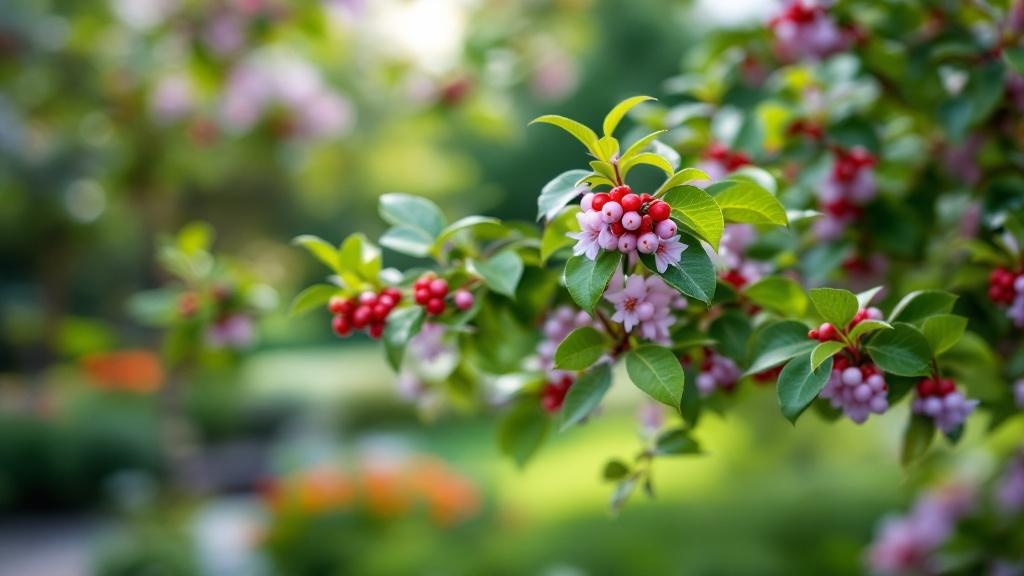
Carnation
Carnations are beloved for their elegant, fragrant flowers and impressive vase life, making them popular with both gardeners and florists. Whether growing them outdoors in your garden or indoors as potted plants, the most common question is how to keep them blooming continuously. In temperate climates (USDA zones 5-8), carnations thrive when given cool nights, bright light, and well-draining soil. This guide covers everything you need to know to cultivate healthy, vibrant carnations year-round.
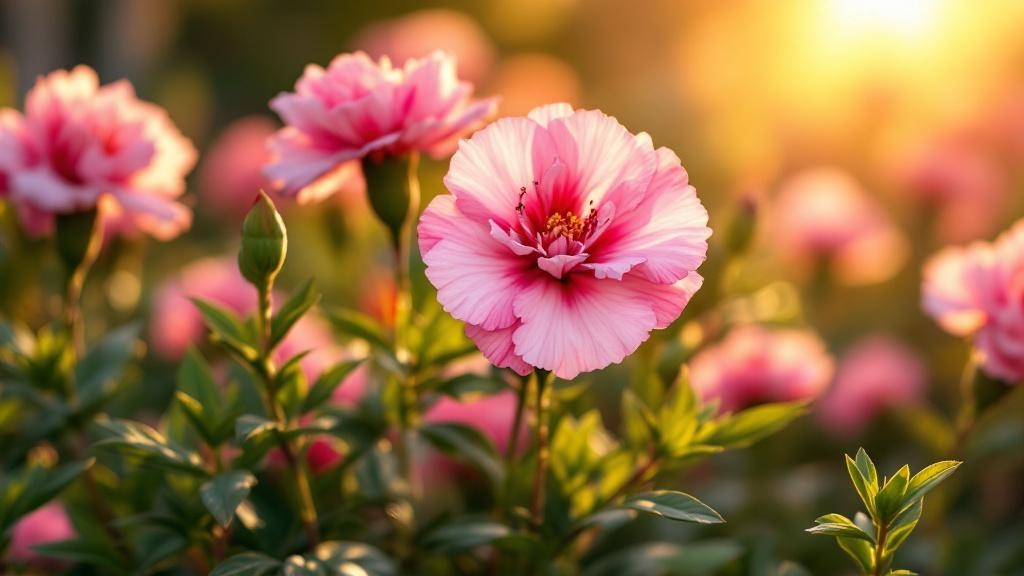
Watering Your Carnations
Water carnations when the top inch of soil feels dry to the touch, typically every 7-10 days depending on season and pot size. In summer, check soil moisture more frequently as evaporation increases; in autumn and winter, reduce watering to every 10-14 days. Avoid waterlogging, which can lead to root rot — ensure pots have drainage holes and empty saucers after watering. For cut carnations in vases, change water every 2-3 days and trim stems at an angle to extend vase life.
Light Requirements for Blooming
Carnations demand bright light and thrive in full sun, needing at least 6-8 hours of direct sunlight daily to produce abundant flowers. Indoors, place pots on a sunny windowsill facing south or west; in summer, provide afternoon shade in regions with intense heat (above 75°F). Insufficient light results in leggy growth and fewer blooms. If growing indoors in winter, supplement with grow lights positioned 6-12 inches above plants for 12-14 hours daily.
Soil and Repotting Carnations
Use well-draining potting soil mixed with perlite or coarse sand (ratio 2:1) to prevent waterlogging and root rot. Carnations prefer slightly alkaline soil (pH 6.0-6.5); if your tap water is acidic, consider adding horticultural lime annually. Repot every spring into a container only 1-2 inches larger than the previous pot — carnations prefer snug conditions. Refresh the top 2 inches of soil annually in established plants that aren't being repotted.
Temperature and Humidity
Carnations thrive in cool conditions with daytime temperatures between 60-70°F and nighttime lows around 55°F; they tolerate frost and actually bloom better with cool nights. In temperate climates, outdoor carnations flourish spring through autumn and require winter protection below 40°F (mulch or move indoors). Indoor plants benefit from 40-50% humidity — mist lightly in dry conditions, but avoid wetting flowers, which can cause spotting. Ensure good air circulation to prevent fungal diseases.
Fertilizing for Continuous Blooms
Feed carnations with a balanced fertilizer (10-10-10) or blooming formula (higher phosphorus) every 2-3 weeks during the growing season (March to September). In winter, reduce to once monthly or skip entirely if growth slows. Use liquid fertilizer diluted to half strength to avoid salt buildup in soil. Alternatively, apply granular slow-release fertilizer in early spring and midsummer for steady nutrient availability.
Common Carnation Problems
Spider mites and thrips are the most prevalent pests in temperate regions, causing stippled, yellowing leaves; spray with insecticidal soap or neem oil weekly until resolved. Fusarium wilt and root rot occur in poorly drained soil or overwatered conditions — improve drainage and reduce watering frequency immediately. Leaf spots caused by fungal diseases (especially in high humidity) can be managed by removing affected foliage, improving air circulation, and avoiding overhead watering. Aphids occasionally infest new growth; hose off with water or use organic insecticides.
Frequently asked questions
How often should I water carnations?
Water every 7-10 days when the top inch of soil is dry, reducing frequency to every 10-14 days in winter. Always ensure pots have drainage holes and never let plants sit in standing water, as this causes root rot.
Why are my carnation leaves turning yellow?
Yellow leaves typically indicate overwatering, poor drainage, or spider mite infestation. Check soil moisture and roots for rot; if the soil is soggy, repot into fresh, well-draining medium. If leaves have fine webbing or stippling, spray with insecticidal soap.
Can I grow carnations indoors?
Yes, carnations grow well indoors on sunny south-facing windowsills with 6-8 hours of direct sunlight daily. In winter or low-light conditions, supplement with grow lights to maintain blooming; ensure good air circulation to prevent fungal issues.
When do carnations bloom and how long do flowers last?
In temperate climates, carnations bloom abundantly from late spring through autumn (May to October), peaking in summer and early autumn. Individual flowers last 2-3 weeks on the plant; cut flowers last 2-3 weeks in water if stems are trimmed and water is changed every 2-3 days.
Are carnations safe for cats and dogs?
Carnations are non-toxic to cats, dogs, and other pets, making them a safe choice for households with animals. However, the stems and foliage can cause mild digestive upset if ingested in large quantities, so keep them out of reach of curious pets.
🩺 Common diseases and pests
These problems commonly affect this plant. Click any to see full symptom descriptions, organic and chemical treatment, and prevention.