Geranium
Geraniums are among the most popular ornamental plants in temperate regions, prized for their cheerful flowers and long blooming season. Whether you're growing them in pots on a sunny balcony or in garden beds, the most common question gardeners ask is how often to water them without causing root rot. Getting watering right is the key to healthy, flowering plants that thrive from May through October.
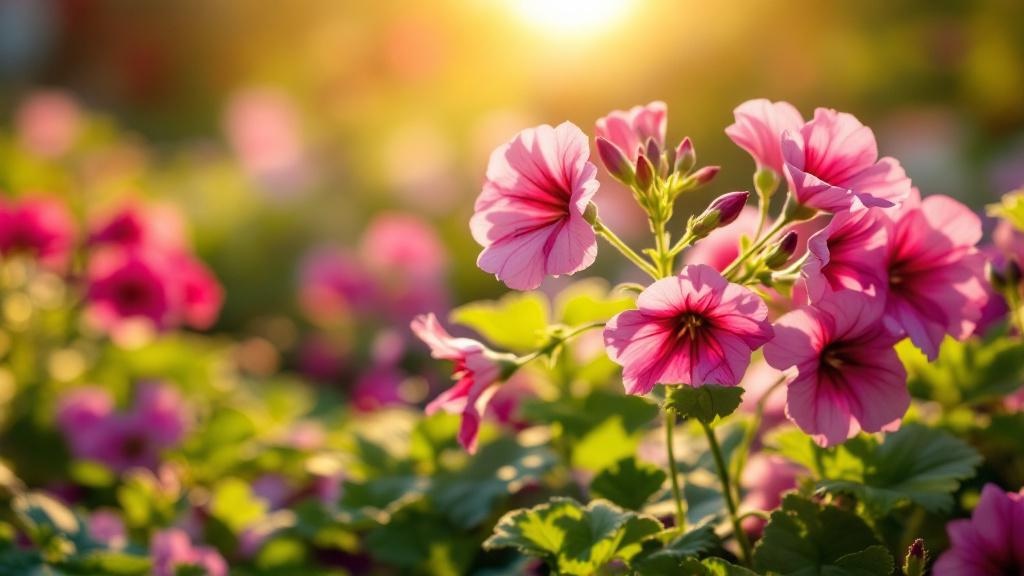
Watering Geraniums Correctly
Geraniums prefer to dry out slightly between waterings — overwatering is the most common cause of failure. In summer, water thoroughly every 7-10 days when the top inch of soil feels dry. In autumn and winter, reduce watering dramatically as growth slows; water only when soil is dry to the touch, typically every 2-3 weeks. Always water at the base to keep foliage dry and prevent fungal issues.
Light Requirements for Blooming
Geraniums are sun-worshippers and need at least 6 hours of direct sunlight daily to flower prolifically. A south-facing or west-facing windowsill, balcony, or garden position is ideal. In partial shade with 3-4 hours of sun, plants will grow but produce fewer flowers. Insufficient light is often why indoor geraniums become leggy or stop flowering.
Soil & Repotting
Use well-draining potting mix — standard multipurpose compost mixed with perlite or grit works well. Repot in early spring (March) only if the plant is severely pot-bound; geraniums actually prefer slightly tight conditions. Ensure pots have drainage holes to prevent waterlogging. For outdoor beds, amend heavy clay soil with compost to improve drainage.
Temperature & Humidity
Geraniums thrive in temperatures between 15-25°C and tolerate cool nights well. They cannot survive hard frost and must be brought indoors or protected if temperatures drop below 10°C in autumn. Unlike tropical houseplants, geraniums prefer lower humidity and good air circulation; high humidity indoors can encourage powdery mildew, especially in winter dormancy.
Fertilizing for Continuous Flowers
Feed geraniums every 2-3 weeks from May through August with a balanced fertilizer or a bloom-boosting formula high in potassium. Reduce feeding in autumn and withhold entirely during winter dormancy. Over-fertilizing encourages leaf growth at the expense of flowers, so moderation is key. Slow-release granules worked into the soil in spring are a convenient alternative.
Common Problems & Solutions
Yellowing leaves and soft stems indicate overwatering; let soil dry and improve drainage. Powdery white coating on leaves (powdery mildew) is common in cool, humid conditions — increase air circulation and water only at the base. In temperate regions, watch for spider mites in hot, dry summers indoors; spray with water or use horticultural soap. Whitefly can also be problematic in late summer — remove affected leaves or treat with insecticidal soap.
Frequently asked questions
How often should I water my geranium?
Water geraniums every 7-10 days in summer when the top inch of soil is dry, and only every 2-3 weeks in winter. Overwatering causes root rot, so it's better to underwater slightly than to keep soil constantly moist.
Why are my geranium leaves turning yellow?
Yellow leaves almost always mean overwatering or poor drainage. Reduce watering frequency, ensure your pot has drainage holes, and repot into fresh, well-draining soil if the problem persists.
When should I bring geraniums indoors in autumn?
Bring potted geraniums indoors in September or early October before the first frost, when temperatures consistently drop below 15°C at night. A cool, bright windowsill indoors (10-15°C) is ideal for winter dormancy.
Why isn't my geranium flowering?
Insufficient light is the most common cause; geraniums need 6+ hours of direct sun daily to bloom. Overfeeding nitrogen fertilizer also suppresses flowers — switch to a high-potassium bloom formula and ensure regular deadheading of spent flowers.
Are geraniums safe for cats and dogs?
Geraniums are mildly toxic to cats and dogs and may cause mild gastrointestinal upset if ingested in quantity. Keep plants out of easy reach and contact your vet if your pet shows signs of vomiting or letharness.
🩺 Common diseases and pests
These problems commonly affect this plant. Click any to see full symptom descriptions, organic and chemical treatment, and prevention.