Celeriac
Celeriac, also called celery root, is the unsung hero of the winter vegetable garden. Its knobby appearance hides creamy white flesh perfect for soups, mashes, and gratins. The most common question gardeners ask is why their celeriac stays small or woody. The answer usually comes down to consistent moisture and a long enough growing season — this vegetable needs 120 to 200 days from seed to harvest, making early indoor sowing essential in temperate climates.
Watering Celeriac for Best Root Development
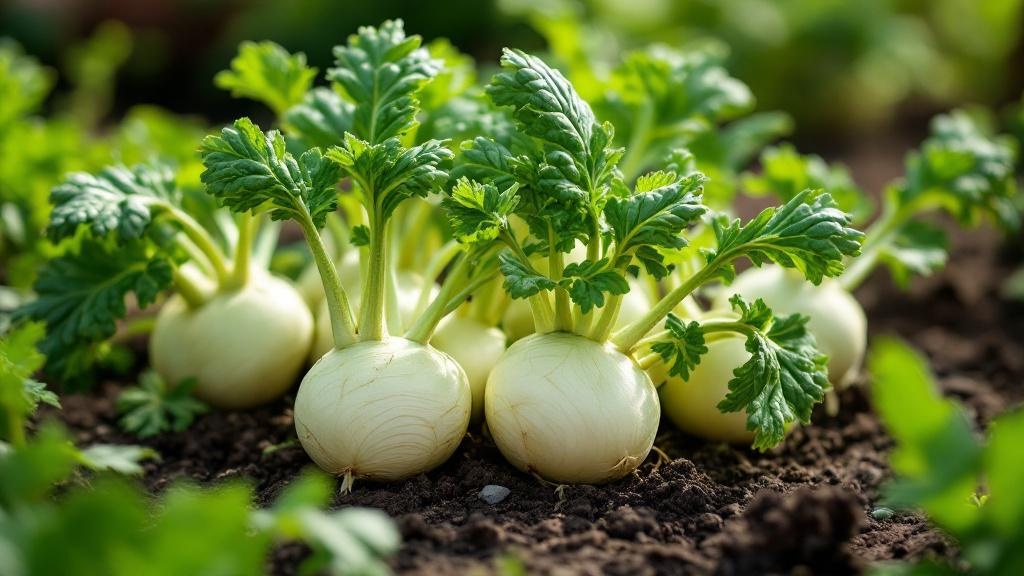
Celeriac demands consistent soil moisture throughout its long growing season. Water deeply 2-3 times per week during dry spells, ensuring the soil never fully dries out. Irregular watering causes woody, hollow roots with poor flavor. Mulching with straw or compost in June helps retain moisture during summer heat.
Light Requirements for Healthy Celeriac Growth
Plant celeriac in full sun for optimal root development, though it tolerates partial shade in warmer summers. In the UK and Northern Europe, choose your sunniest vegetable bed. During the intense heat of July and August, light afternoon shade can actually benefit the plants by reducing water stress.
Soil Preparation and Transplanting
Celeriac thrives in rich, deeply worked soil with plenty of organic matter. Prepare beds in autumn by digging in well-rotted manure or garden compost. The ideal pH is 6.0-7.0. Transplant seedlings in late May after hardening off, spacing them 30cm apart in rows 40cm apart. The shallow root system benefits from a soil that holds moisture but drains freely.
Temperature and Growing Season Management
Celeriac grows best between 15-21°C and cannot tolerate frost when young. Start seeds indoors in late February or early March at 15-18°C, as germination is slow. Transplant outdoors only after the last frost, typically mid to late May. The mature roots handle light autumn frosts and can remain in the ground until December with straw mulch protection.
Fertilizing for Large, Flavorful Roots
Apply a balanced vegetable fertilizer at transplanting time and side-dress with nitrogen-rich feed in mid-July. Celeriac is a hungry crop that benefits from fortnightly liquid feeds during the main growing period from June to August. Avoid excessive nitrogen after August, which promotes leaf growth at the expense of root development.
Common Celeriac Problems and Solutions
Celery leaf miner is the most troublesome pest in temperate regions, creating brown tunnels in leaves from May onwards. Remove affected leaves immediately and cover crops with fine mesh. Slugs attack young transplants in wet springs, so use organic slug pellets or beer traps. Septoria leaf spot appears as brown spots with black dots in humid weather. Remove infected foliage and avoid overhead watering to prevent spread.
Frequently asked questions
How long does celeriac take to grow?
Celeriac takes 120-200 days from seed to harvest, making it one of the longest-season vegetables. Start seeds indoors in late February and harvest from October onwards. The slow growth is why garden centre transplants are popular for gardeners who miss the early sowing window.
Why is my celeriac so small?
Small celeriac usually results from inconsistent watering, late planting, or poor soil fertility. This vegetable needs constant moisture and a growing season of at least five months. Improve results by transplanting earlier, mulching heavily, and feeding regularly through summer.
When should I harvest celeriac?
Harvest celeriac from October once roots reach 10-12cm diameter. Roots tolerate light frosts and actually improve in flavor after cold weather. In mild winters, leave them in the ground under straw mulch and harvest as needed through December or even January.
Can you eat celeriac leaves?
Yes, celeriac leaves are edible and taste like strong celery. Use them sparingly in stocks, soups, or as a herb. However, avoid removing too many leaves during the growing season as the plant needs them for root development.
Is celeriac easier to grow than celery?
Celeriac is generally easier than blanching celery because it does not require trenching or collar wrapping. It tolerates a wider range of conditions and stores better after harvest. The main challenge is its long growing season, requiring early indoor sowing in temperate climates.