Prickly Pear
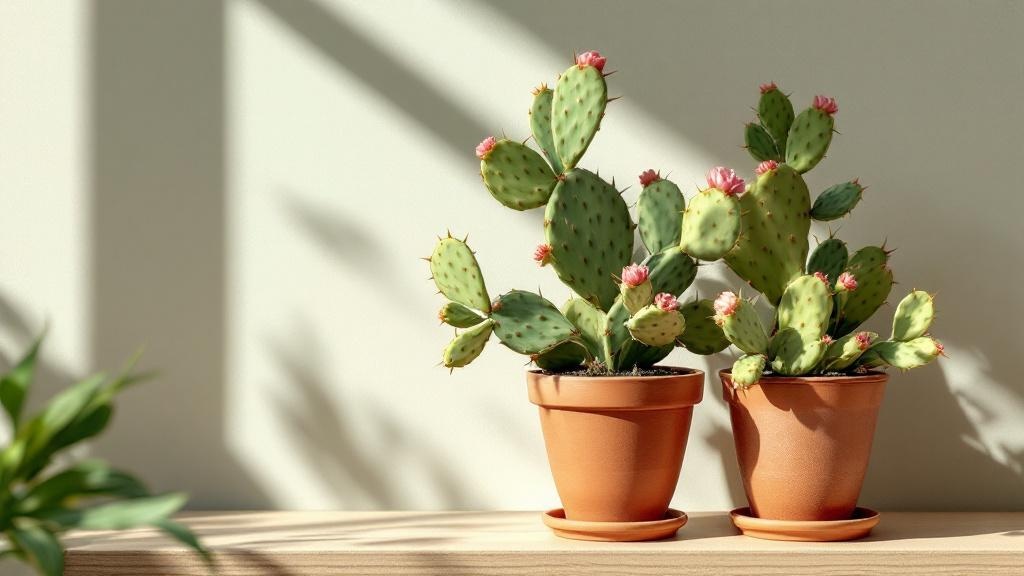
Prickly pear cactus is prized by gardeners in temperate regions for its striking flat pads, vibrant flowers, and edible fruit. Many growers struggle with overwatering, which leads to root rot and poor growth. With the right balance of sunlight, infrequent watering, and proper winter dormancy, your Opuntia will thrive and may even fruit outdoors.
Watering Your Prickly Pear
Prickly pear is drought-tolerant and prefers to dry out between waterings. In summer, water every 2-3 weeks when the soil is completely dry; in winter, reduce to once monthly or less. Overwatering is the most common cause of failure—root rot develops quickly in cold, wet soil. If growing outdoors in your temperate zone, natural rainfall usually suffices once established.
Light Requirements
Prickly pear demands full sun to thrive and fruit. Provide at least 6 hours of direct sunlight daily, ideally 8+. In temperate regions, a south-facing windowsill or sheltered outdoor spot is ideal. Low light leads to thin, pale pads and no flowers; if indoors year-round, a grow light in winter will improve vigor.
Soil and Repotting
Use a cactus or succulent potting mix amended with extra sand or perlite—standard potting soil holds too much moisture. Repot only every 2-3 years in spring, as prickly pear prefers snug conditions. When repotting, handle pads carefully with thick gloves or folded newspaper; glochids (fine spines) lodge in skin and are difficult to remove.
Temperature and Humidity
Prickly pear thrives in 15-30°C and tolerates outdoor winters in USDA zones 5-8 (approximately -5°C to -10°C) with winter mulch and shelter. Humidity is not critical; dry air is preferred to prevent fungal issues. In harsh winters, move potted plants to an unheated garage or wrap outdoor specimens with frost cloth in late November through March.
Feeding and Growth
Feed sparingly—once in late spring and once in midsummer with a low-nitrogen succulent fertilizer or diluted tomato fertilizer. Do not fertilize in autumn or winter. Overfeeding encourages soft, spiny growth and reduces hardiness. Established outdoor plants rarely need feeding if grown in moderately fertile soil.
Common Problems and Solutions
Root rot from cold, waterlogged soil is the main threat; prevent it by allowing soil to dry completely and reducing winter watering. Scale insects and mealybugs occasionally infest pads in late spring—spray with insecticidal soap or neem oil, repeating every 10-14 days. Yellowing pads in winter are normal dormancy; green up again in spring.
Frequently asked questions
How often should I water my prickly pear cactus?
Water every 2-3 weeks in summer when soil is completely dry, and reduce to once a month or less in winter. Prickly pear stores water in its pads and rots quickly if kept wet, so err on the side of underwatering.
Can prickly pear cactus survive outdoors in temperate climates?
Yes, in USDA zones 5-8 (much of Central Europe, UK, and northern US), prickly pear survives outdoors year-round with winter mulch and shelter. Harden it off in late spring before planting, and apply 10-15 cm of mulch around the base in late November; remove it in March.
Why are my prickly pear pads turning yellow or brown?
Yellowing in winter is normal dormancy and reverses in spring. Brown mushy spots indicate root rot from overwatering—let the soil dry out completely and repot into fresh cactus mix if the rot is severe. If pads are pale and thin, increase sunlight exposure.
How do I get my prickly pear to flower and fruit?
Flowering requires full sun (8+ hours daily), mature plants (at least 2-3 years old), and winter dormancy at cool temperatures. Outdoor plants in zones 6-8 fruit reliably; indoors, flowers may appear but fruit needs warm, sunny summer days to develop fully.
Is prickly pear toxic to cats or dogs?
No, the pads and fruit are non-toxic, but the spines and tiny glochids (barbed bristles) are hazardous. Keep the plant out of reach or wear thick gloves when handling, as glochids lodge painfully in skin and paws.