Olive Tree
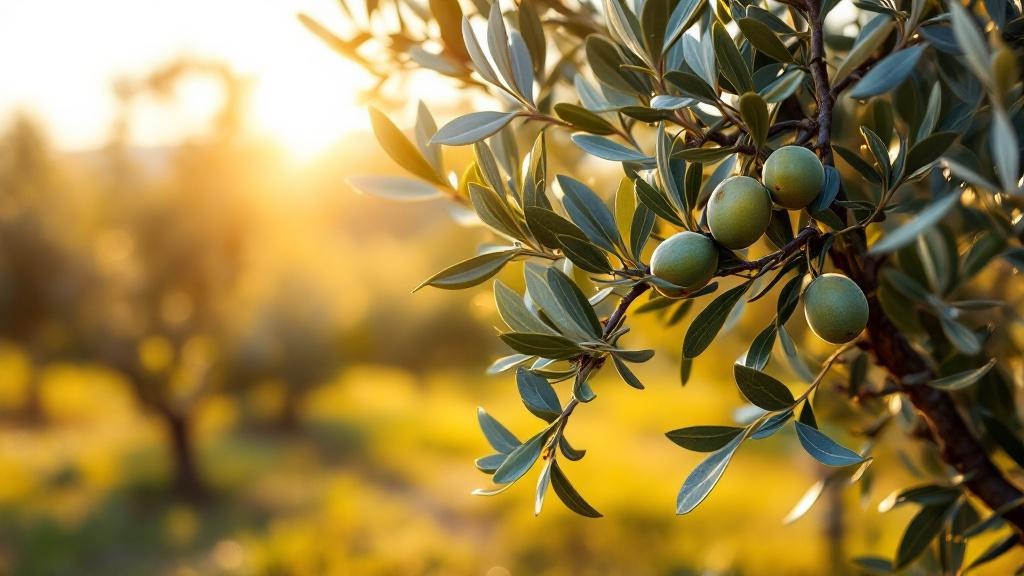
Olive trees symbolize peace and abundance, but they're also surprisingly adaptable to indoor growing in temperate climates when given the right conditions. The most common question gardeners ask is whether they'll ever produce fruit indoors—the answer is yes, but it requires patience, good light, and a winter chill period. This guide covers everything you need to keep your olive healthy and productive.
Watering Your Olive Tree
Olive trees are drought-tolerant and prefer dry conditions—overwatering is the leading cause of failure. Water thoroughly every 10-14 days in summer, reducing to every 3-4 weeks in winter when growth slows. Let the top 5 cm of soil dry out completely between waterings. In autumn (September-October), reduce watering frequency to encourage the dormancy period that triggers flowering.
Light Requirements for Fruiting
Olive trees demand 6-8 hours of direct sunlight daily to thrive and produce flowers. A south-facing windowsill or conservatory is ideal in temperate regions. If natural light is limited, supplement with a grow light placed 30 cm above the canopy for 12-14 hours daily. Insufficient light will result in leggy growth and zero fruit production.
Soil and Repotting
Use fast-draining soil—a mix of equal parts peat-free compost, perlite, and coarse sand, or purchase cactus potting mix. Repot only every 2-3 years in spring, moving up one pot size. Olives hate soggy roots, so ensure pots have drainage holes and use terracotta, which breathes better than plastic. Refresh the top 5 cm of soil yearly if not repotting.
Temperature and Humidity
Olive trees are cold-hardy and need a winter dormancy period (October-February) at 10-15°C to initiate flowering. Indoors, place them in an unheated room, near a cool window, or in a garage if temperatures drop. They tolerate average household humidity (30-50%), but appreciate occasional misting in late spring. Avoid positioning near radiators or heating vents that create dry, warm drafts.
Feeding Your Olive
Feed with a balanced, slow-release fertilizer (NPK 10-10-10) in April when growth resumes after winter. Apply every 6-8 weeks until August, then stop to allow dormancy. In the UK and Central Europe, a light potassium-rich feed in June encourages flower and fruit development. Never feed in winter; this disrupts the cold period needed for flowering.
Common Problems and Solutions
Yellowing leaves often signal overwatering or cold root shock—check soil moisture and ensure good drainage. Scale insects and spider mites can infest indoor olives in low-humidity conditions; spray with neem oil or insecticidal soap every 7-10 days until clear. Lack of flowers suggests insufficient light or a skipped winter dormancy period; move the plant to a brighter spot and ensure 2-3 months below 15°C each winter.
Frequently asked questions
How often should I water my olive tree?
Water every 10-14 days in summer and every 3-4 weeks in winter. Always let the top 5 cm of soil dry out completely before watering again, as olives are drought-tolerant and rot easily in wet soil.
Will my indoor olive tree produce fruit?
Yes, but only if it receives 6-8 hours of direct sunlight daily and experiences a cool winter (10-15°C) for 2-3 months to trigger flowering. Maturity takes 3-5 years, and hand-pollination with a soft brush may help fruiting indoors.
Why are my olive tree leaves turning yellow?
Yellowing leaves usually indicate overwatering, poor drainage, or root rot. Check that your pot drains well and let soil dry more between waterings. Cold shock from drafts or temperatures below 10°C can also cause yellowing; move the plant away from cold windows.
What temperature does an olive tree need in winter?
Olive trees need a cool winter rest at 10-15°C for 2-3 months to flower in spring. In temperate climates, place it in an unheated room, conservatory, or cool garage. Keeping it warm year-round will prevent flowering.
Is an olive tree toxic to pets?
No, olive trees are completely safe for cats, dogs, and other pets. However, ripe olives contain a large pit that poses a choking hazard if ingested.
🩺 Common diseases and pests
These problems commonly affect this plant. Click any to see full symptom descriptions, organic and chemical treatment, and prevention.