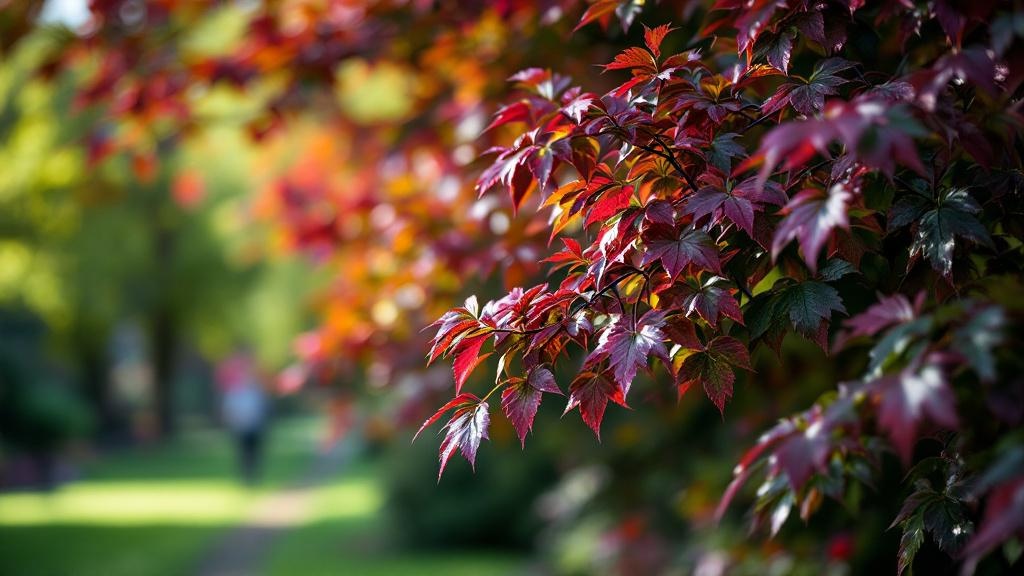
White Dogwood
White Dogwood (Cornus alba) is one of the most rewarding shrubs for temperate gardens, delivering spectacular crimson-red stems that glow against winter snow and frost. Native to Siberia and Northern Asia, this tough shrub shrugs off harsh winters while providing spring flowers, summer foliage, and autumn berries. The most common question gardeners ask is how to maintain those vivid red stems year after year — and the answer lies in proper annual pruning.
Watering Your White Dogwood
Water newly planted White Dogwood deeply once per week during the first growing season to establish strong roots. Once established after 1-2 years, this shrub is remarkably drought-tolerant but performs best in consistently moist soil. During hot July and August spells, water every 10-14 days if rainfall is absent. In winter, natural precipitation is typically sufficient in temperate climates.
Light Requirements for Vibrant Stems
Plant White Dogwood in full sun to partial shade, with a minimum of 4 hours direct sunlight daily. Full sun exposure produces the most vibrant red winter stems, while too much shade results in dull, greenish-brown bark. In the UK and Northern Europe, a south or west-facing position is ideal. Variegated cultivars like Elegantissima tolerate more shade without losing leaf coloration.
Soil and Repotting Needs
White Dogwood adapts to most soil types including clay, loam, and sandy soils with a pH between 5.5 and 7.5. It naturally thrives in moist, even boggy conditions, making it perfect for rain gardens or pond edges. When planting, dig a hole twice the root ball width and amend heavy clay with organic matter. Container-grown specimens should be repotted every 2-3 years in spring using multipurpose compost mixed with bark chips.
Temperature and Humidity Preferences
This Siberian native is extremely cold-hardy, tolerating temperatures down to minus 35 degrees Celsius without protection. It thrives throughout USDA zones 3-8 and handles the variable conditions of Central European and British winters with ease. White Dogwood appreciates moderate humidity but is not fussy, handling both dry continental summers and damp Atlantic winters. No winter protection is needed in temperate regions.
Fertilizing for Healthy Growth
Apply a balanced slow-release fertilizer such as blood, fish, and bone meal in early April as new growth begins. A second light feeding in June supports foliage development through summer. Avoid high-nitrogen fertilizers after July, as this encourages soft growth vulnerable to early autumn frosts. Mulching with well-rotted compost in March provides gentle nutrition while retaining soil moisture.
Common Problems and Solutions
Dogwood anthracnose can cause brown leaf spots and twig dieback during wet springs; prune affected branches to healthy wood and improve air circulation. Aphids may cluster on new growth in May and June, but they are easily controlled with a strong water spray or by encouraging ladybirds. Scale insects occasionally appear on older stems; scrub them off with a soft brush dipped in horticultural soap. Annual hard pruning eliminates most pest and disease problems by removing old, vulnerable wood.
Frequently asked questions
How do I prune White Dogwood for red stems?
Cut all stems back to 10-15 centimeters above ground level in late March before new growth begins. This hard coppicing encourages vigorous young shoots that display the brightest red bark the following winter. Without annual or biennial pruning, older stems turn dull brown and lose their ornamental value.
Why are my White Dogwood leaves turning yellow?
Yellow leaves typically indicate waterlogged soil, iron chlorosis, or natural autumn senescence. If yellowing occurs in summer, check drainage and consider adding sulfur to lower soil pH if your water is very alkaline. Leaves naturally turn yellow to reddish-purple in September and October before dropping.
When does White Dogwood bloom?
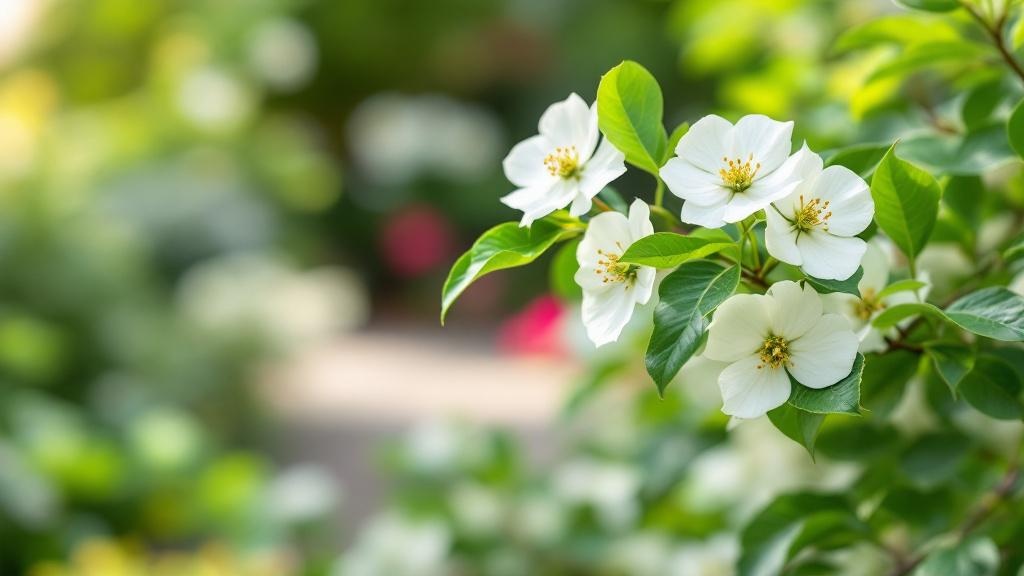
White Dogwood produces clusters of creamy-white flowers in late May to early June, followed by white or bluish berries in late summer. The flowers are modest compared to flowering dogwoods but attract pollinators and provide food for birds. The main ornamental feature remains the winter stem color rather than the blooms.
Is White Dogwood toxic to cats and dogs?
No, White Dogwood (Cornus alba) is considered non-toxic to cats, dogs, and horses. The berries are technically edible though bland and not recommended for human consumption. This makes it a safe choice for gardens where pets roam freely.
How fast does White Dogwood grow?
White Dogwood grows approximately 30-60 centimeters per year under good conditions, reaching a mature height of 2-3 meters if left unpruned. With annual coppicing, growth is even more vigorous as the established root system pushes energy into new stems. Expect a fully established shrub within 3-4 years of planting.