Chicory
Chicory is one of the most versatile yet underappreciated vegetables for temperate gardens. Whether you want fresh bitter greens for salads, creamy white forced chicons (Belgian endive), or roots for a caffeine-free coffee substitute, this plant delivers. The most common question gardeners ask is how to force chicory roots to produce those tender, pale chicons indoors during winter — and timing is everything.
Watering Chicory: Keeping Roots Happy
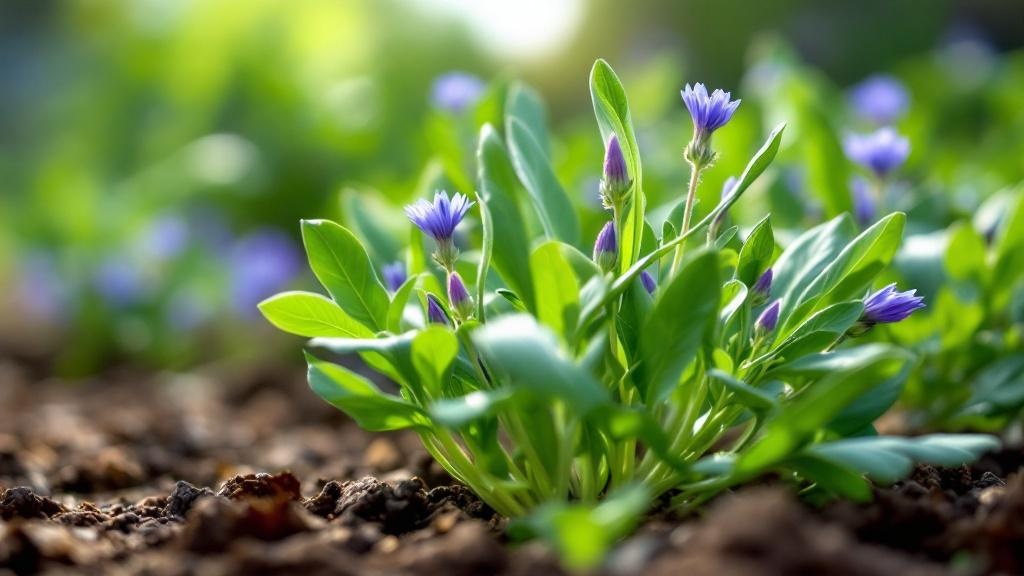
Water chicory deeply once a week, providing about 25mm of water to encourage strong taproot development. During hot July and August spells, increase frequency to every 4-5 days if the top 5cm of soil dries out. Avoid waterlogging, which causes root rot and bitter-tasting leaves. Mulching with straw helps retain moisture and keeps roots cool.
Light Requirements for Healthy Growth
Chicory performs best in full sun with at least 6 hours of direct light daily. In warmer parts of Zone 7-8, afternoon shade during peak summer prevents premature bolting. When forcing roots indoors for chicons, complete darkness is essential — even brief light exposure turns the leaves green and unpleasantly bitter.
Soil Preparation and Transplanting
Chicory needs deep, loose soil for its long taproot — prepare beds by digging down 30cm and removing stones. A pH of 6.0-6.8 is ideal; add garden lime in autumn if your soil is acidic. Direct sow seeds in late April through June, thinning seedlings to 20-30cm apart. Avoid transplanting mature plants as the taproot resents disturbance.
Temperature and Seasonal Timing
Chicory thrives in cool conditions between 15-20°C and tolerates frost down to -5°C, making it perfect for spring and autumn harvests in zones 5-8. Sow in late April after the last hard frost, or in early July for autumn leaves. Hot weather above 25°C triggers bolting; choose bolt-resistant varieties like 'Palla Rossa' for summer growing.
Feeding Your Chicory Crop
Apply a balanced fertilizer (10-10-10) at planting time, working it into the top 15cm of soil. Side-dress with compost or aged manure in early July if growing for root harvest. Avoid high-nitrogen feeds after midsummer, which promote leafy growth at the expense of roots. For leaf varieties, a light nitrogen boost in late August encourages a final flush of tender growth.
Common Problems and Pests
Slugs and snails are the primary enemy, especially in damp UK and Northern European gardens — use beer traps or organic slug pellets in spring and autumn. Aphids may cluster on young leaves in May and June; blast them off with water or apply insecticidal soap. Root rot occurs in poorly drained soil; improve drainage or grow in raised beds if your garden stays wet.
Frequently asked questions
How do I force chicory to grow chicons indoors?
Force chicory by digging roots in late October, trimming leaves to 3cm, and planting them upright in moist sand or compost in complete darkness at 10-15°C. Chicons form in 3-4 weeks. Keep checking moisture levels and harvest when heads reach 10-15cm tall.
When should I harvest chicory leaves?
Harvest outer leaves anytime once they reach 15-20cm, typically 8-10 weeks after sowing. Pick in the morning when leaves are crispest. For a continuous supply, use the cut-and-come-again method, leaving the central growing point intact.
Why are my chicory leaves so bitter?
Chicory leaves turn extremely bitter during hot weather, drought stress, or when plants bolt. Grow in cooler months (spring or autumn), water consistently, and harvest young leaves for milder flavor. Blanching by covering plants reduces bitterness.
Is chicory the same as radicchio?
Radicchio is actually a type of chicory (Cichorium intybus var. foliosum) bred for its red leaves and tight heads. All radicchios are chicory, but not all chicory is radicchio. Growing conditions are nearly identical for both.
Can I grow chicory in pots?
Yes, but choose containers at least 30cm deep to accommodate the taproot. Use a mix of potting compost and perlite for drainage. Leaf varieties perform better in containers than root varieties, which need more space to develop properly.