Chinese Silver Grass
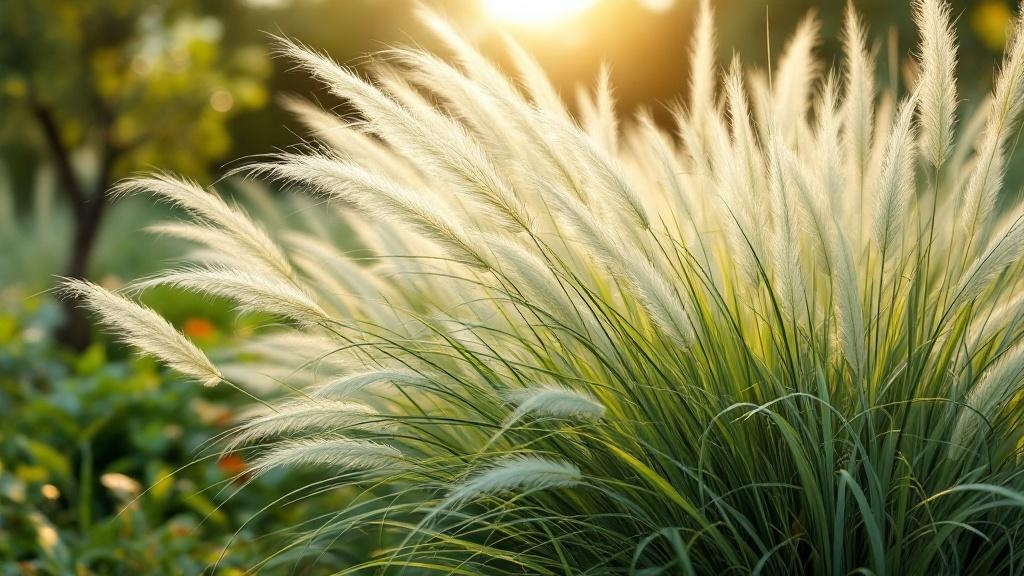
Chinese Silver Grass is one of the most popular ornamental grasses for good reason: its graceful, arching foliage and feathery plumes bring texture and movement to borders, screens, and specimen plantings from late summer through winter. The most common question gardeners ask is when and how to cut it back. This deciduous grass forms impressive clumps reaching 1.5 to 2.5 meters tall, making it a striking focal point that requires surprisingly little attention once established in your garden.
Watering Chinese Silver Grass Through the Seasons
Water newly planted Miscanthus weekly during the first growing season to establish deep roots. Once established after the first year, Chinese Silver Grass is remarkably drought-tolerant and typically only needs supplemental water during extended dry spells in July and August. Avoid overwatering, as soggy soil can lead to root rot. In most temperate climates, natural rainfall is sufficient for mature plants.
Light Requirements for Optimal Growth and Flowering
Chinese Silver Grass performs best in full sun with at least 6 hours of direct sunlight daily. Plants grown in partial shade will produce fewer flower plumes and may develop a floppy, open habit. In zones 7-8, some afternoon shade can help prevent leaf scorch during intense summer heat. Position your grass where it can catch the low autumn and winter sun, which beautifully illuminates the silvery plumes.
Soil and Repotting Needs
Miscanthus sinensis adapts to most soil types, from clay to sandy loam, as long as drainage is adequate. It tolerates slightly acidic to slightly alkaline conditions with a pH between 5.5 and 7.5. No soil amendments are typically necessary at planting time. For container-grown specimens, repot every 2-3 years in spring using a large pot with drainage holes and standard multipurpose compost.
Temperature and Humidity Preferences
Chinese Silver Grass is fully hardy throughout temperate zones, surviving winter temperatures down to minus 20 degrees Celsius. It emerges late in spring, typically mid-April to early May, so do not panic if other perennials appear first. This grass tolerates both humid and dry air without issue. Leave the dried foliage standing through winter to protect the crown from frost and provide winter garden interest.
Fertilizing Your Miscanthus
Chinese Silver Grass has modest nutritional needs and overfertilizing leads to floppy, weak growth. Apply a single dose of balanced slow-release granular fertilizer in late April or early May as new shoots emerge. Avoid high-nitrogen feeds, which encourage excessive leaf growth at the expense of flowers. Established plants in reasonably fertile soil often thrive without any supplemental feeding.
Common Problems and Solutions
Miscanthus blight, a fungal disease causing reddish-brown leaf spots and stem dieback, can appear during cool, wet springs in Central Europe and the UK. Remove and dispose of affected foliage and ensure good air circulation. Red spider mites may attack during hot, dry summers, causing stippled, pale leaves. Spray with water or use an organic insecticidal soap if populations are high. Aphids occasionally cluster on new growth in May but rarely cause lasting damage.
Frequently asked questions
When should I cut back Chinese Silver Grass?
Cut back Chinese Silver Grass in late February to mid-March before new growth begins. Use hedge shears or powered trimmers to cut the entire clump to about 10-15 centimeters above ground level. Leaving the old foliage through winter protects the crown from frost and provides valuable habitat for overwintering insects.
How fast does Chinese Silver Grass grow?
Chinese Silver Grass reaches its full height of 1.5 to 2.5 meters within 2-3 growing seasons. New spring growth emerges slowly in April and May, then accelerates rapidly through June and July. Flower plumes appear from late August through October depending on the cultivar.
Is Chinese Silver Grass invasive?
Most modern Miscanthus sinensis cultivars are clump-forming and not invasive in temperate climates. Unlike some grasses, they spread slowly from the base rather than by aggressive runners. In zones 7-8 with long warm seasons, some older varieties may self-seed, so choose sterile cultivars if this concerns you.
Why is my Chinese Silver Grass not flowering?
Insufficient sunlight is the most common reason for poor flowering. Chinese Silver Grass needs at least 6 hours of direct sun daily to produce abundant plumes. Other causes include cutting back too late in spring which removes developing flower buds, excessive nitrogen fertilizer, or planting a late-flowering cultivar that needs a longer growing season than your climate provides.
Can Chinese Silver Grass grow in shade?
Chinese Silver Grass tolerates light or dappled shade but will not thrive there. Plants in shade grow taller and floppier as they reach for light, produce significantly fewer flowers, and may require staking. For shady areas, consider alternative grasses like Hakonechloa or shade-tolerant sedges instead.