Elephant Bush
Elephant Bush is a beloved succulent known for its delicate, fleshy foliage and bonsai-like branching habit. Native to South Africa, it adapts well to indoor growing in temperate climates and is forgiving of neglect—making it ideal for busy gardeners. The most common question is how often to water it without causing root rot.
Watering Elephant Bush Correctly
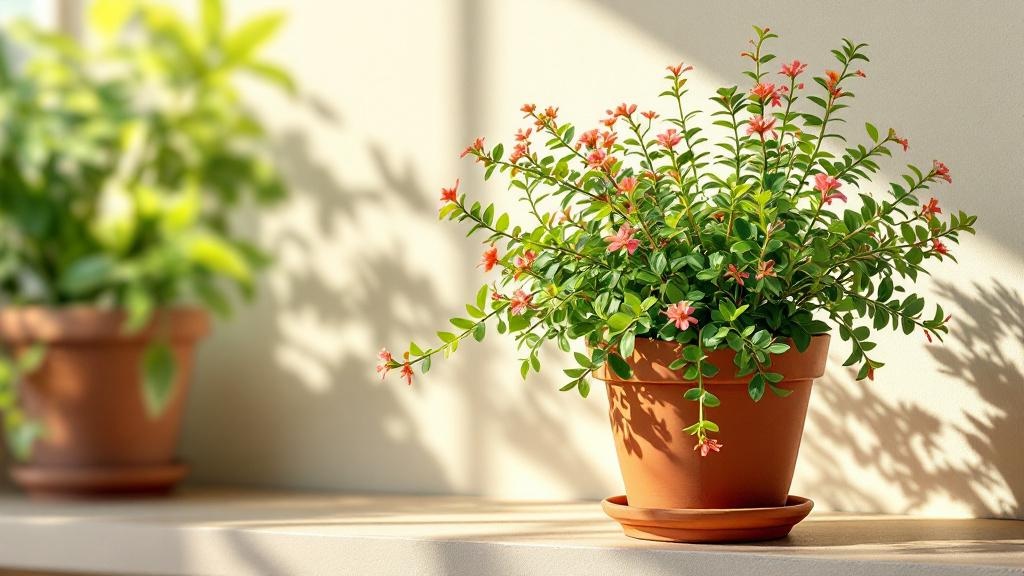
Allow soil to dry completely between waterings—this is the golden rule for Elephant Bush. In summer months (May to September), water every 10-14 days; in winter, reduce to once monthly or even less if temperatures drop below 15°C. Overwatering is the leading cause of root rot, so when in doubt, skip the watering can. Check soil moisture by inserting your finger 2 cm deep; if it feels damp, wait another week.
Light Requirements for Healthy Growth
Elephant Bush loves bright, indirect light and will reward you with vibrant foliage and compact growth. Place it near a south- or west-facing window in temperate zones for best results. It can tolerate partial shade but may become leggy if light is too low; if you notice stretched stems, move it closer to a light source. In winter, maintain as much natural light as possible to prevent etiolation.
Soil and Repotting Needs
Use a well-draining cactus or succulent potting mix—never standard houseplant compost, which retains too much moisture. If desired, amend store-bought mix with coarse perlite or sand to improve drainage. Repot only every 2-3 years in spring, or when roots emerge from drainage holes. Choose a pot with drainage holes and use a container only slightly larger than the root ball.
Temperature and Humidity Tolerance
Elephant Bush prefers cool to warm conditions between 15-25°C and suffers in frost below 5°C, so bring potted plants indoors before the first frost in autumn (typically October in central European zones). It thrives in low humidity typical of heated homes and does not require misting. Sudden temperature fluctuations can stress the plant, so keep it away from cold drafts and heating vents.
Feeding Your Elephant Bush
Feed sparingly during the growing season (May to August) with a diluted succulent or low-nitrogen fertilizer, once monthly. Do not fertilize in autumn or winter when growth slows. Over-feeding encourages weak, tender growth susceptible to pests and disease. A half-strength application is safer than full strength for this slow-growing plant.
Common Problems and Solutions
Yellowing or translucent leaves indicate overwatering and root rot; repot into fresh, dry soil immediately and reduce watering frequency. Mealybugs and scale insects occasionally infest Elephant Bush in heated indoor environments; spray affected areas with neem oil or insecticidal soap in early morning, repeating every 7-10 days. Leggy, pale growth signals insufficient light—relocate the plant to a brighter spot to restore compact, healthy shape.
Frequently asked questions
How often should I water Elephant Bush?
Water every 10-14 days in summer and once monthly in winter, allowing soil to dry completely between waterings. Overwatering is the most common mistake and causes root rot, so err on the side of underwatering.
Can Elephant Bush survive in low light?
Elephant Bush tolerates partial shade but grows best in bright, indirect light or full sun. In low light, it becomes leggy and pale; move it to a brighter window to restore compact, healthy growth.
Is Elephant Bush safe for cats and dogs?
Yes, Elephant Bush is completely non-toxic to cats, dogs, and other pets, making it a safe choice for households with curious animals.
Why are my Elephant Bush leaves turning yellow?
Yellow, soft, or translucent leaves almost always signal overwatering and root rot. Remove the plant from its pot, trim away blackened roots, and repot in fresh, dry cactus soil. Then reduce watering frequency significantly.
How do I propagate Elephant Bush?
Propagation is simple: take 5-10 cm stem cuttings in spring or summer, allow them to dry for 1-2 days, then place in barely moist cactus soil. Keep in bright light and avoid watering for 2-3 weeks until roots establish.