Fava Bean
Fava beans, also known as broad beans, are a gardener's secret weapon for productive cool-season harvests. These ancient legumes thrive in the mild temperatures of spring and early autumn, making them perfect for temperate climates where summers can be too hot for many crops. The most common question gardeners ask is when to plant fava beans — and the answer might surprise you, since these hardy plants actually prefer cooler weather and can even handle light frosts.
Watering Your Fava Beans for Strong Growth
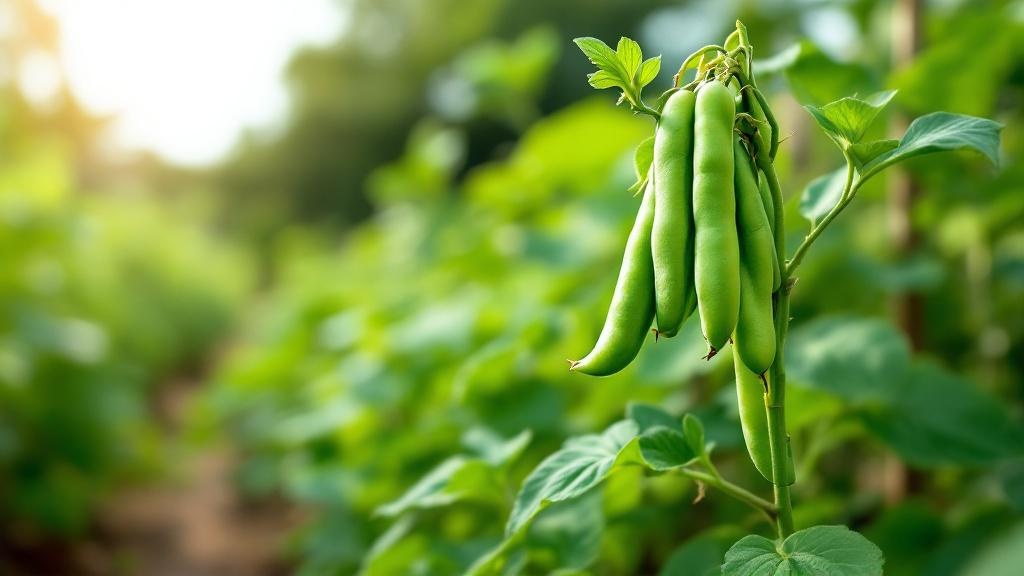
Water fava beans deeply once per week, providing about 2-3 cm of water to encourage deep root development. During flowering and pod formation in late May through June, increase watering frequency to every 5 days if rainfall is scarce. Avoid overhead watering in the evening to prevent fungal diseases. Mulching around plants helps retain soil moisture during warmer late spring days.
Light Requirements for Healthy Fava Bean Plants
Fava beans perform best in full sun, requiring at least 6 hours of direct sunlight daily for optimal pod production. In warmer areas of zones 7-8, afternoon shade can actually benefit plants during late spring, preventing premature bolting. Position rows north-to-south to maximize light exposure across all plants.
Soil Preparation and Planting Fava Beans
Plant fava beans in rich, well-draining soil with a pH between 6.0-7.0. Prepare beds in late February by incorporating well-rotted compost or aged manure. Sow seeds directly outdoors from early March through mid-April, spacing them 15-20 cm apart in rows 45 cm apart, planting 5 cm deep. As nitrogen-fixing legumes, fava beans improve soil fertility for subsequent crops.
Temperature and Climate Considerations
Fava beans thrive in cool conditions between 4-21°C, making them ideal for early spring planting in March or autumn sowing in October for overwintering. Established plants tolerate light frosts down to -5°C, though flowers may be damaged by late frosts in April. In zones 5-6, protect autumn-sown plants with fleece during severe winter cold spells.
Fertilizing Fava Beans Throughout the Season
Because fava beans fix their own nitrogen through root nodules, they require minimal fertilization. Apply a balanced organic fertilizer or bone meal at planting time to support early growth. Avoid high-nitrogen feeds which encourage leafy growth at the expense of pods. Side-dress with potassium-rich comfrey feed when flowers appear in May to boost pod development.
Common Fava Bean Problems and Solutions
Blackfly (black bean aphid) is the most prevalent pest, clustering on tender growing tips from May onwards — pinch out the top 10 cm of plants once pods begin forming to remove their preferred feeding sites and improve air circulation. Chocolate spot fungus appears as brown spots on leaves during wet springs, prevented by proper spacing and avoiding overhead watering. Pea and bean weevils cause notched leaf edges but rarely affect yields significantly in established plants.
Frequently asked questions
When should I plant fava beans in spring?
Plant fava beans outdoors from early March through mid-April in temperate climates, as soon as the soil is workable. Seeds germinate in soil temperatures as low as 5°C, and young plants tolerate light frosts. For an earlier harvest, start seeds in modules indoors in late February and transplant in mid-March.
Why are my fava bean leaves turning yellow?
Yellow leaves on fava beans typically indicate overwatering, poor drainage, or nitrogen deficiency in young plants before root nodules establish. Check soil moisture and ensure adequate drainage before watering again. If yellowing occurs on lower leaves late in the season, this is natural as the plant redirects energy to pod development.
How often should I water fava beans?
Water fava beans deeply once per week during normal spring weather, increasing to every 5 days during flowering and pod formation. Aim for 2-3 cm of water per session, allowing soil to dry slightly between waterings. Reduce watering if rainfall is consistent, as waterlogged soil promotes root rot.
When are fava beans ready to harvest?
Fava beans are ready to harvest from late May through July, approximately 80-100 days after spring planting. Pick pods when they feel full and plump but before the beans inside develop a tough skin. For the sweetest flavor, harvest when beans are the size of a thumbnail; larger beans become starchier.
Are fava beans toxic to cats and dogs?
Yes, raw fava beans contain vicine and convicine compounds that can be toxic to cats and dogs if consumed in significant quantities. Keep pets away from plants and stored beans. Symptoms of ingestion include vomiting, lethargy, and in severe cases, hemolytic anemia requiring veterinary attention.