Cobweb Houseleek
Cobweb Houseleek captivates gardeners with its silvery web-like filaments stretching across compact rosettes, making it look like tiny spiders have taken residence. Native to the Alps and Pyrenees, this tough succulent thrives in temperate climates and survives winters down to minus 30 degrees Celsius. The most common question gardeners ask is whether this delicate-looking plant can truly survive outdoors year-round. The answer is a resounding yes, and with minimal care, it will reward you with pink starry flowers each summer.
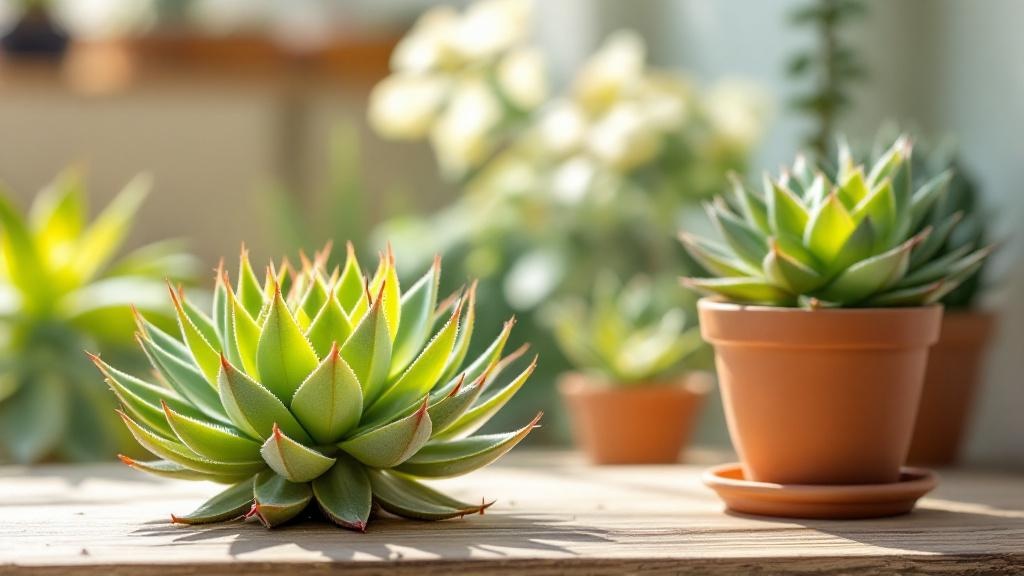
Watering Your Cobweb Houseleek Correctly
Water thoroughly every 10 to 14 days during the growing season from April through September, allowing soil to dry completely between waterings. In winter, outdoor plants need no supplemental watering as dormancy and natural rainfall suffice. For potted specimens kept in unheated greenhouses, water sparingly once monthly to prevent root rot. Always avoid wetting the rosette centre where the webbing collects, as trapped moisture invites fungal problems.
Light Requirements for Healthy Webbing
Full sun for at least 6 hours daily produces the tightest rosettes and densest cobweb filaments. In partial shade, plants stretch and lose their characteristic compact form, though they survive. South-facing rockeries, stone walls, or gravel gardens provide ideal conditions in the UK and Central Europe. Indoor growing is possible on bright south-facing windowsills but rarely produces the same vigour as outdoor cultivation.
Soil and Repotting Guidelines
Plant in extremely well-draining gritty mix consisting of equal parts coarse sand, perlite, and standard potting compost. Alternatively, use specialist alpine or cactus compost available at most garden centres. Cobweb Houseleek resents rich soil, which causes leggy growth and weakens cold tolerance. Repotting is seldom necessary as these plants thrive in shallow containers and poor soil, but refresh the top layer of grit every two to three years in spring.
Temperature and Humidity Tolerance
Cobweb Houseleek is exceptionally cold-hardy, surviving temperatures down to minus 30 Celsius without protection, making it perfect for exposed sites across USDA zones 5 through 8. Summer heat up to 35 Celsius poses no problem provided drainage is excellent. High humidity is the main enemy, particularly during mild wet winters common in the UK and maritime climates. Ensure excellent air circulation and avoid winter wet by positioning plants on slopes or raised beds.
Fertilizing Sempervivum Arachnoideum
These alpine natives require almost no fertilizer and actually perform worse with rich feeding. If desired, apply a half-strength liquid succulent fertilizer once in late April as new growth begins. Over-fertilizing causes soft, floppy growth vulnerable to rot and frost damage. Most gardeners find that planting in lean soil without any supplemental feeding produces the healthiest, most attractive specimens.
Common Problems and Solutions
Root rot from winter wet is the primary killer, recognizable by mushy brown bases and collapsing rosettes, prevented by improving drainage with added grit. Vine weevil larvae occasionally attack roots in container plantings during late summer, causing sudden wilting despite adequate moisture, treat with nematode biological control in September. Mealybugs may hide beneath the webbing in stressed plants, remove with a cotton bud dipped in methylated spirits and improve growing conditions.
Frequently asked questions
How often should I water Cobweb Houseleek?
Water every 10 to 14 days in summer, allowing soil to dry completely between waterings. In winter, outdoor plants need no watering at all, while indoor specimens require only monthly moisture. Overwatering causes far more deaths than underwatering with this drought-adapted alpine.
Why is my Cobweb Houseleek dying after flowering?
Sempervivum are monocarpic, meaning each rosette dies after flowering, which is completely natural. The mother rosette produces numerous offsets called chicks before flowering, ensuring the colony continues. Simply remove the dead rosette and the surrounding offsets will fill the gap within one growing season.
Is Cobweb Houseleek toxic to cats?
No, Cobweb Houseleek is completely non-toxic to cats, dogs, and other pets. It is one of the safest succulents for households with curious animals. The plant contains no harmful compounds and is even occasionally used in traditional herbal remedies.
Can Cobweb Houseleek survive winter outdoors in the UK?
Yes, Cobweb Houseleek is fully hardy throughout the UK and survives temperatures down to minus 30 Celsius. The main winter threat is not cold but excessive wet, so ensure excellent drainage by adding grit around plants. Rockeries, alpine troughs, and green roofs provide ideal protected yet well-drained positions.
When does Cobweb Houseleek flower?
Cobweb Houseleek blooms in June and July, producing pink star-shaped flowers on stalks 10 to 15 centimetres tall. Plants typically take 3 to 4 years to reach flowering maturity. Remember that flowering rosettes will die afterwards, but offsets ensure the colony persists.