Hosta
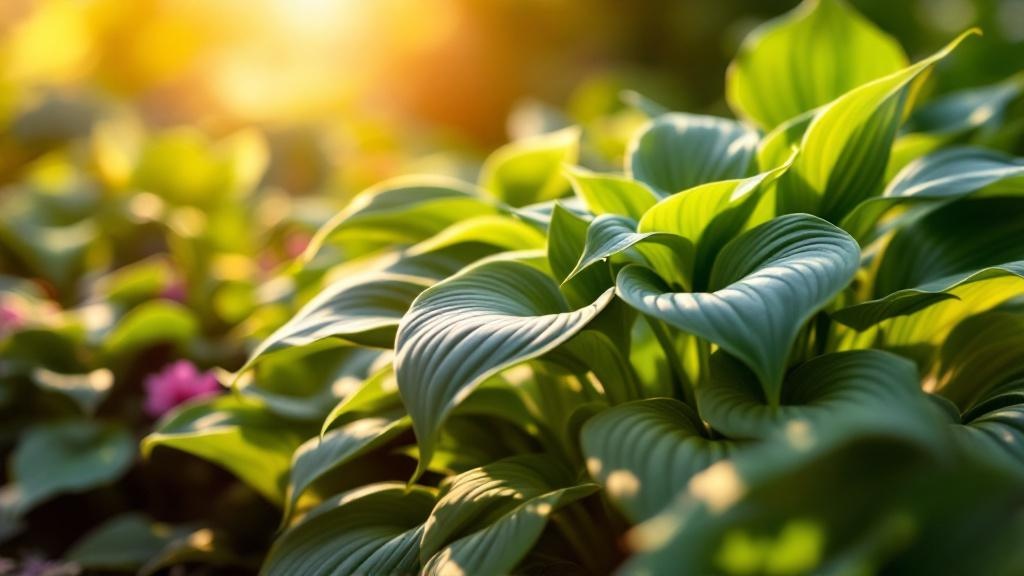
Hostas are the backbone of any temperate shade garden, offering spectacular foliage in countless shades of green, blue, and gold. The most common question gardeners ask is how to keep slugs and snails from destroying those gorgeous leaves. Native to East Asia, these hardy perennials thrive in USDA zones 5-8 and return reliably each spring with minimal fuss, making them perfect for borders, woodland gardens, and containers in shaded spots.
Watering Your Hosta for Lush Foliage
Water hostas deeply once per week, providing about 2.5cm (1 inch) of water. During July and August heat waves, increase to twice weekly, especially for container-grown plants. Water at soil level in the morning to keep foliage dry and reduce slug activity and fungal problems. Established hostas are somewhat drought-tolerant but will develop brown leaf edges if consistently underwatered.
Light Requirements: Finding the Sweet Spot
Most hostas perform best in dappled shade or morning sun with afternoon shade. Blue-leaved varieties need more shade to maintain their waxy coating, while gold and variegated types tolerate 2-4 hours of morning sun, which intensifies their coloring. Full sun in zones 7-8 will scorch leaves, so site accordingly. In Northern UK or Scandinavia, hostas can handle more sun due to lower light intensity.
Soil and Repotting Basics
Hostas thrive in rich, moisture-retentive soil amended with plenty of organic matter like garden compost or well-rotted manure. Aim for a slightly acidic to neutral pH of 6.0-7.0. Divide and transplant clumps every 4-5 years in early April or September when temperatures are cool. Container hostas need repotting every 2-3 years into pots at least 40cm wide with drainage holes.
Temperature and Humidity Preferences
Hostas are extremely cold-hardy, surviving winters down to minus 30C in zones 5-8 without protection. They require winter dormancy and actually need cold temperatures to thrive. Cut back dead foliage after the first hard frost in late October or November. Hostas tolerate normal outdoor humidity well but struggle in hot, dry conditions above 30C.
Fertilizing for Maximum Growth
Apply a balanced slow-release granular fertilizer (10-10-10) in mid-April as new shoots emerge, following package rates. A second light application in June supports leaf development. Avoid high-nitrogen feeds after July, which produce soft growth vulnerable to early frost. Mulch annually with 5-7cm of compost in spring, which provides additional nutrients as it breaks down.
Common Problems and Solutions
Slugs and snails are the primary enemy, leaving ragged holes in leaves from April through September. Use wildlife-safe iron phosphate pellets, copper tape barriers, or evening patrols to control them. Foliar nematodes cause brown streaks between leaf veins and spread via water splash. Remove and destroy affected leaves promptly. Vine weevil larvae attack roots in containers, causing sudden plant collapse in spring. Use biological nematode controls in August-September.
Frequently asked questions
How do I stop slugs eating my hostas?
Use iron phosphate slug pellets scattered around plants every 2 weeks from April to October. Combine with copper tape around containers and remove garden debris where slugs hide. Evening hand-picking after rain is surprisingly effective for small gardens.
Why are my hosta leaves turning yellow?
Yellow leaves typically indicate overwatering, poor drainage, or natural late-season die-back starting in September. Check soil moisture before watering and ensure containers have adequate drainage holes. Some yellowing of outer leaves is normal as the plant redirects energy to the crown before dormancy.
When do hostas flower?
Hostas bloom from June through August depending on variety, producing tall spikes of lavender, purple, or white trumpet-shaped flowers. While foliage is the main attraction, the flowers are fragrant and attract pollinators. You can remove flower stalks after blooming or leave them for seed heads.
Can hostas grow in full sun?
Most hostas will suffer leaf scorch in full sun, especially in zones 7-8. However, varieties with thick, waxy leaves or those labeled sun-tolerant can handle 4-6 hours of morning sun. Provide extra water and afternoon shade for best results in sunnier spots.
When should I divide hostas?
Divide hostas in early April as shoots emerge or in September after flowering. Dig up the entire clump and use a sharp spade to separate sections with at least 3 growing points each. Replant immediately at the same depth and water thoroughly. Most hostas benefit from division every 4-5 years.
🩺 Common diseases and pests
These problems commonly affect this plant. Click any to see full symptom descriptions, organic and chemical treatment, and prevention.