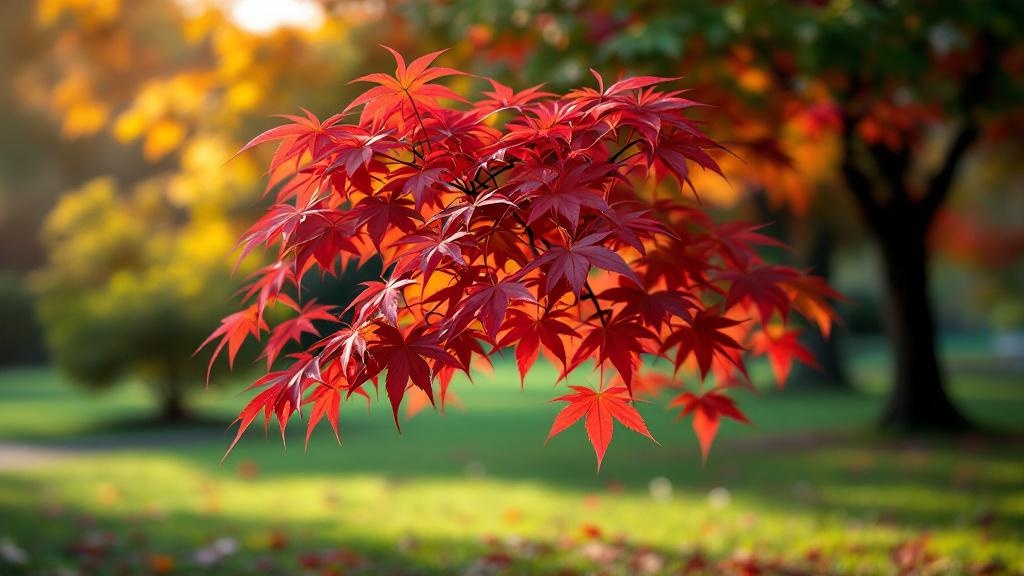
Japanese Maple
Japanese maples are among the most elegant trees for temperate gardens, offering brilliant foliage colours and fine structure that define the landscape. Whether you're growing one in a pot or planting in the garden, the biggest challenge for most gardeners is getting the watering balance right—too much and roots rot, too little and leaves scorch. Our guide covers everything you need to keep your acer palmatum thriving through the seasons.
Watering Your Japanese Maple
Japanese maples need consistent moisture during the growing season (March to October) but not waterlogged soil—aim for moist, not wet. In spring and summer, water deeply every 7-10 days depending on rainfall; container maples need more frequent watering, sometimes every 3-5 days in hot spells. Reduce watering in autumn as growth slows, and in winter water sparingly only if the soil becomes bone dry. Mulch around the base with 5 cm of bark to retain moisture and keep roots cool.
Light Requirements
Dappled shade or morning sun with afternoon shade is ideal—harsh afternoon sun scorches delicate foliage, especially in hot temperate summers. Plant where it receives 2-4 hours of filtered sunlight daily. If your maple is in a pot, move it to a shadier spot during July and August if leaves show browning edges. In winter, when deciduous, light becomes less critical, but positioning for spring morning warmth encourages strong growth.
Soil and Repotting
Use acidic, well-draining soil rich in organic matter—a mix of peat-free compost, pine bark, and perlite works well. Garden maples prefer slightly acidic loam (pH 5.5-6.5); if your soil is chalky, amend heavily or grow in containers. Repot container specimens every 2-3 years in late winter before bud-break, using the same soil mix. Avoid compacting soil and ensure drainage holes are clear to prevent root diseases.
Temperature and Humidity
Japanese maples are fully hardy to -20°C and thrive in cool-temperate climates (zones 5-8). They struggle in sustained heat above 28°C; in hot regions, afternoon shade is non-negotiable. Low humidity can worsen leaf scorch; in dry spells, mist foliage in early morning or increase mulch depth. Avoid planting in frost pockets or exposed windy sites, which desiccate emerging spring foliage.
Fertilizing
Japanese maples need little feeding on acidic soils with good organic matter. Apply a balanced slow-release fertilizer (NPK 10-10-10) or specialist ericaceous feed in April as growth accelerates. For container plants, liquid feed monthly April-August with half-strength tomato or balanced fertilizer. Avoid high-nitrogen feeds, which encourage soft growth prone to frost damage. Stop feeding by August to allow hardening off before winter.
Common Problems
Scorched, brown leaf margins appear when soil dries out or afternoon sun is too intense—increase watering consistency and provide shade cloth in extreme heat. Powdery mildew, common in humid springs in regions like the UK and Central Europe, shows as white coating on leaves; improve air circulation and spray with sulphur-based fungicide if severe. Aphids cluster on new growth in April-May; use organic neem oil or insecticidal soap, or prune affected shoots. Root rot from waterlogged soil is fatal; improve drainage immediately and repot if necessary.
Frequently asked questions
How often should I water my Japanese maple?
Water deeply every 7-10 days in spring and summer when soil is moist but not waterlogged, increasing frequency during hot spells or if grown in pots. In autumn and winter, reduce watering once leaves fall and only water if soil becomes completely dry—typically every 2-3 weeks.
Why are the leaves on my Japanese maple turning brown?
Brown, papery leaf edges indicate scorching from either too-intense sun, irregular watering, or low humidity. Move container plants to dappled shade, ensure soil stays consistently moist (not wet), and mulch to regulate moisture. In hot summers, afternoon shade cloth or misting helps prevent further damage.
Can I grow a Japanese maple in a pot?
Yes, Japanese maples grow well in containers 45-60 cm wide with good drainage. Use acidic ericaceous potting mix, water more frequently than in-ground specimens, and repot every 2-3 years in late winter. Move pots to a sheltered, shaded spot in harsh winters, and protect roots with extra mulch.
When is the best time to prune Japanese maple?
Prune lightly in late winter (January-February) while dormant to remove dead or crossing branches. Avoid heavy pruning, which scars the wood; instead, selectively thin branches to enhance the natural form. Remove any diseased branches immediately, year-round.
What soil pH does Japanese maple need?
Japanese maples prefer slightly acidic soil with a pH of 5.5-6.5 and good organic content. If your garden soil is neutral or alkaline, grow your maple in a large container with ericaceous (acid) potting mix to avoid chlorosis and poor growth.
🩺 Common diseases and pests
These problems commonly affect this plant. Click any to see full symptom descriptions, organic and chemical treatment, and prevention.