White Poplar
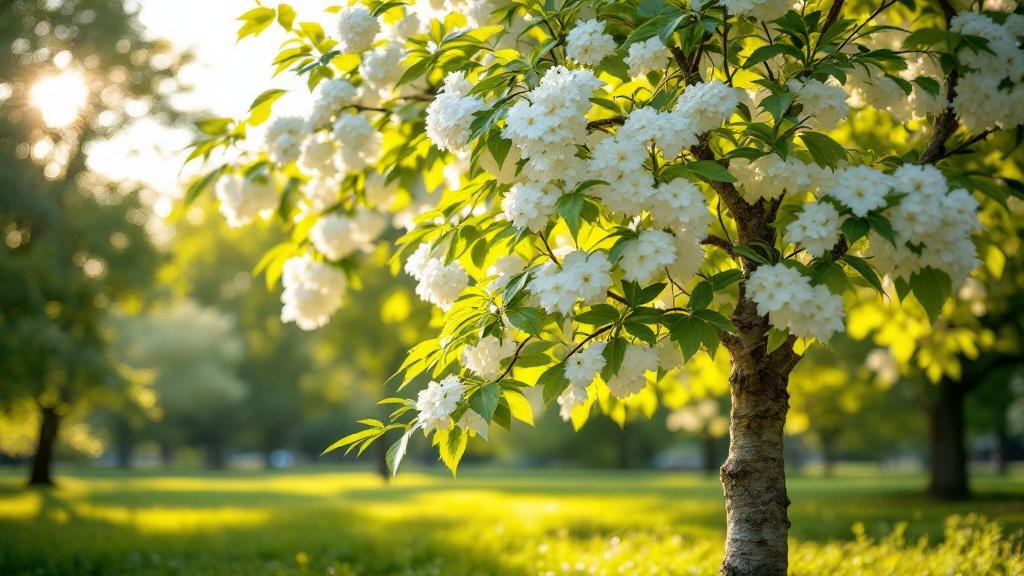
White Poplar is a majestic shade tree that can grow up to 20 meters tall, making it a bold landscape choice for larger properties. Its most distinctive feature is the silvery-white underside of its leaves, which shimmer beautifully in the breeze. The most common question gardeners ask is whether White Poplar is suitable for their yard, as its vigorous root system and suckering habit require careful consideration before planting.
Watering Your White Poplar Tree
Water newly planted White Poplars deeply once weekly during the first two growing seasons to establish strong roots. Once established, these trees are remarkably drought-tolerant and typically only need supplemental watering during extended dry spells in July and August. In temperate climates, natural rainfall usually provides adequate moisture for mature trees. Avoid overwatering, as waterlogged soil can promote root rot.
Light Requirements for Healthy Growth
White Poplar performs best in full sun, receiving at least 6 hours of direct sunlight daily. The tree will tolerate partial shade but develops a less dense canopy and slower growth rate in shadier conditions. In the UK and Central Europe, position the tree where it receives maximum southern exposure for optimal growth and that characteristic silvery leaf display.
Soil Conditions and Planting
One of White Poplars greatest strengths is its adaptability to almost any soil type, from sandy to heavy clay. It tolerates both acidic and alkaline conditions and even grows in poor, compacted urban soils. Plant in late autumn through early March while dormant, spacing trees at least 15 meters from buildings and underground utilities. The aggressive root system can damage foundations, drains, and pavements if planted too close to structures.
Temperature and Climate Tolerance
White Poplar is exceptionally cold-hardy, surviving temperatures down to minus 30 degrees Celsius. It thrives throughout USDA zones 3-9, making it well-suited to Northern European and Northern US climates. The tree handles summer heat and urban pollution remarkably well. Late spring frosts rarely damage established trees, though newly emerged leaves on young trees may suffer minor frost burn in April.
Fertilizing White Poplar Trees
Established White Poplars rarely need fertilization due to their vigorous growth habit. If growth seems slow, apply a balanced slow-release fertilizer in early April before bud break. Young trees benefit from a light application of well-rotted compost around the base each autumn. Avoid high-nitrogen fertilizers, which encourage weak, leggy growth susceptible to storm damage.
Common Problems and Solutions
Poplar canker, caused by bacterial infection, creates sunken lesions on branches and should be pruned out immediately in dry weather during late autumn. Poplar leaf beetles and caterpillars may defoliate branches in summer but rarely cause lasting harm to established trees. The most persistent challenge is managing root suckers, which appear throughout the lawn and garden from late spring onward. Mow suckers regularly or apply triclopyr-based herbicide carefully to individual shoots in September.
Frequently asked questions
How fast does White Poplar grow per year?
White Poplar grows remarkably fast, typically adding 1.5 to 2.5 meters in height annually under good conditions. This rapid growth rate makes it one of the fastest-growing trees suitable for temperate climates. Young trees establish quickly, often reaching 10 meters within just 5 to 7 years of planting.
Are White Poplar roots invasive?
Yes, White Poplar has an aggressive, spreading root system that can damage foundations, drains, and pavements. Roots often extend 1.5 times the height of the tree in all directions. Plant at least 15 meters from any structures, and avoid planting near septic systems or underground pipes.
Why is my White Poplar producing suckers everywhere?
White Poplar naturally produces abundant root suckers as its primary method of spreading. This suckering intensifies when roots are disturbed by digging or mowing, or when the tree experiences stress. Regular mowing keeps suckers manageable, or you can carefully apply herbicide to individual shoots in early autumn.
When should I prune a White Poplar tree?
Prune White Poplar in late autumn or winter while fully dormant, ideally between November and February. This timing reduces sap bleeding and minimizes disease risk. Remove dead, damaged, or crossing branches, and cut away any canker-infected wood promptly to prevent spread.
Is White Poplar a good tree for a small garden?
No, White Poplar is not suitable for small gardens due to its large mature size and aggressive suckering roots. This tree needs at least 15 meters clearance from buildings and can reach 20 meters tall with a 12-meter spread. Consider smaller alternatives like ornamental cherries or crabapples for compact spaces.
🩺 Common diseases and pests
These problems commonly affect this plant. Click any to see full symptom descriptions, organic and chemical treatment, and prevention.