Comfrey
Comfrey is one of the most useful plants you can grow in a temperate garden. Its deep taproots mine minerals from the subsoil, making it a powerhouse for composting and mulching. The most common question gardeners ask is whether comfrey will take over their garden — and with good reason, as this vigorous herb can spread aggressively if not managed. Understanding how to site and maintain comfrey means enjoying its benefits without the headaches.
Watering Your Comfrey: Less Is More Once Established
Water newly planted comfrey weekly for the first growing season to help roots establish. Once mature, comfrey rarely needs supplemental watering in temperate climates except during prolonged summer droughts. The deep taproot, which can reach 2 meters, accesses moisture unavailable to shallow-rooted plants. Overwatering can actually encourage sluggish growth and make plants more susceptible to crown rot.
Light Requirements: Flexible but Productive in Sun
Comfrey grows in full sun to partial shade, producing the most biomass in at least 6 hours of direct sunlight. In partial shade, expect smaller leaves and less frequent harvests. Plants in full afternoon sun during July and August may wilt temporarily but recover by evening. For maximum leaf production, site your comfrey where it receives morning sun and some afternoon protection.
Soil and Planting: Give Those Roots Room to Dive
Comfrey thrives in deep, moisture-retentive soil with a pH between 6.0 and 7.0. Before planting root cuttings in April or September, loosen soil to 45cm depth and incorporate well-rotted compost. Avoid heavy clay that stays waterlogged in winter, as this causes crown rot. Space plants 60 to 90cm apart — they will fill in quickly by their second year.
Temperature and Hardiness: A True Temperate Survivor
Comfrey is extremely cold-hardy, surviving winters down to minus 20 degrees Celsius without protection. The above-ground foliage dies back after the first hard frost in October or November, but roots remain viable underground. New growth emerges reliably in late March or early April. Summer heat above 30C may cause temporary wilting, but plants recover without lasting damage.
Fertilizing: Usually Unnecessary for This Self-Sufficient Herb
Established comfrey rarely needs fertilizing thanks to its deep-mining roots that access subsoil nutrients. If growth seems weak in spring, apply a light top-dressing of compost or well-rotted manure in March. Avoid high-nitrogen fertilizers, which produce soft growth attractive to aphids. Ironically, comfrey leaves make excellent fertilizer for other plants — steep them in water for 4 to 6 weeks to create a potassium-rich liquid feed.
Common Problems: Rust, Slugs, and Unwanted Spreading
Comfrey rust appears as orange-brown pustules on leaves during humid summers; remove affected leaves and improve air circulation by thinning overcrowded stands. Slugs and snails target young spring growth in April and May — use beer traps or iron phosphate pellets around emerging shoots. The biggest problem is unwanted spreading: every root fragment left in soil can regenerate, so choose sterile Bocking 14 cultivar if you want to contain your plants.
Frequently asked questions
How often should I harvest comfrey leaves?
Harvest comfrey 3 to 5 times per growing season, cutting leaves when they reach 60cm tall. Allow 4 to 6 weeks between cuts for regrowth, with your first harvest typically ready in late May. Stop harvesting by mid-September to let plants build root reserves before winter.
Is comfrey toxic to cats and dogs?
Yes, comfrey is toxic to pets if eaten regularly due to pyrrolizidine alkaloids that can cause liver damage. Occasional nibbling is unlikely to cause serious harm, but prevent pets from grazing on it consistently. The bitter taste usually deters animals naturally.
Why are my comfrey leaves turning yellow?
Yellow comfrey leaves typically indicate waterlogged soil causing root stress or crown rot. Check drainage around your plants and reduce watering if soil feels soggy. Less commonly, yellowing can signal comfrey rust infection — look for orange pustules on leaf undersides.
When does comfrey bloom in the UK?
Comfrey blooms from May through July in the UK and similar temperate climates. The tubular flowers appear in drooping clusters, ranging from cream to purple depending on variety. Bees love the flowers, but cutting plants before flowering redirects energy into leaf production.
Can I grow comfrey in pots?
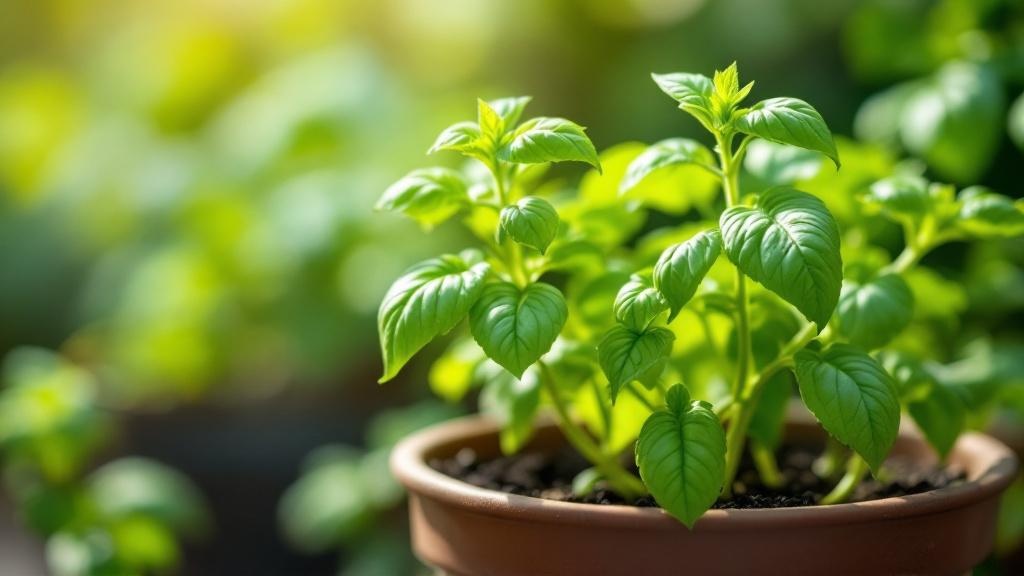
Comfrey can grow in large containers of at least 45 liters, though it will never reach its full potential. The deep taproot becomes restricted, resulting in smaller plants that need regular watering. Choose the compact variety Symphytum grandiflorum for container growing, and refresh potting mix annually in March.