Common Fig
Common Figs are rewarding fruit trees for temperate gardens, offering delicious fruit and ornamental foliage. The biggest challenge for northern growers is surviving winter outdoors, which is why many gardeners in zones 5-7 grow figs in large containers that can be moved to shelter in late autumn. Understanding your local frost dates and choosing the right variety makes all the difference.
Watering Your Fig Tree
Water deeply every 7-10 days during the growing season (May to September), allowing the top 5 cm of soil to dry between waterings. During hot spells, daily watering may be needed, especially for container figs. In autumn and winter, reduce watering significantly—dormant trees need only occasional moisture to prevent the soil from drying completely. Overwatering in winter is the leading cause of root rot.
Light Requirements
Figs require at least 6-8 hours of direct sunlight daily to produce sweet fruit; 8-10 hours is ideal. Plant in the sunniest part of your garden, ideally against a south-facing wall where reflected heat aids ripening. In cooler temperate regions, this wall heat is essential for fruit development. Insufficient light results in lush foliage but poor fruiting.
Soil & Potting
Use well-draining, moderately fertile loam; figs tolerate poor soil but prefer slightly alkaline to neutral pH (6.5-7.5). In containers, use a quality loam-based compost mixed with 20% perlite or grit. Repot container-grown figs every 2-3 years in early spring, just before growth resumes. In-ground figs rarely need repotting, though amending the planting hole with compost aids establishment.
Temperature & Humidity
Figs thrive at 15-30°C and tolerate temperatures as low as -10°C if established and hardened. In zones 5-6, grow figs in large containers and move them indoors or to an unheated shed by late October before the first hard frost. Indoor overwintering should be cool (2-10°C) and dark; the tree will drop leaves and go dormant. Humidity is not critical, though misting foliage in very dry indoor conditions helps.
Fertilizing & Feeding
Feed container figs monthly from April to August with a balanced fertilizer (10-10-10) or a potassium-rich formula (10-7-20) to promote fruiting. In-ground figs in poor soil benefit from a spring application of balanced granular fertilizer. Avoid high nitrogen, which promotes leaf growth at the expense of fruit. Overfeeding reduces cold hardiness and fruit sweetness.
Common Problems & Solutions
Root rot (soil waterlogging): reduce watering, ensure drainage, and repot if necessary. Fig rust (orange pustules on leaf undersides): appears in humid autumns; thin branches for airflow and remove affected leaves. Winter damage in zones 5-6: prune dead wood in spring once new growth appears; next year, provide more winter protection or choose hardier varieties like 'Chicago Hardy' or 'Brown Turkey'.
Frequently asked questions
How often should I water a fig tree?
Water every 7-10 days during the growing season (May to September), keeping the top 5 cm of soil moist but not soggy. In winter, water only sparingly to prevent root rot. Container figs need more frequent watering than in-ground trees, especially in hot weather.
Can I grow a fig tree outdoors in zone 5 or 6?
Yes, but you'll need winter protection or a cold-hardy variety like 'Chicago Hardy' or 'Brown Turkey'. In-ground figs benefit from a sheltered south-facing wall; container figs should be moved indoors to an unheated shed or garage from late October to April. Many northern gardeners treat figs as container plants for easier overwintering.
Why is my fig tree not producing fruit?
Insufficient sunlight is the most common cause; figs need 8-10 hours of direct sun daily. Overfeeding (too much nitrogen) also suppresses fruiting. Young container figs may not fruit until 2-3 years old. Prune lightly in spring to encourage branching, which bears more figs.
When do figs fruit in temperate climates?
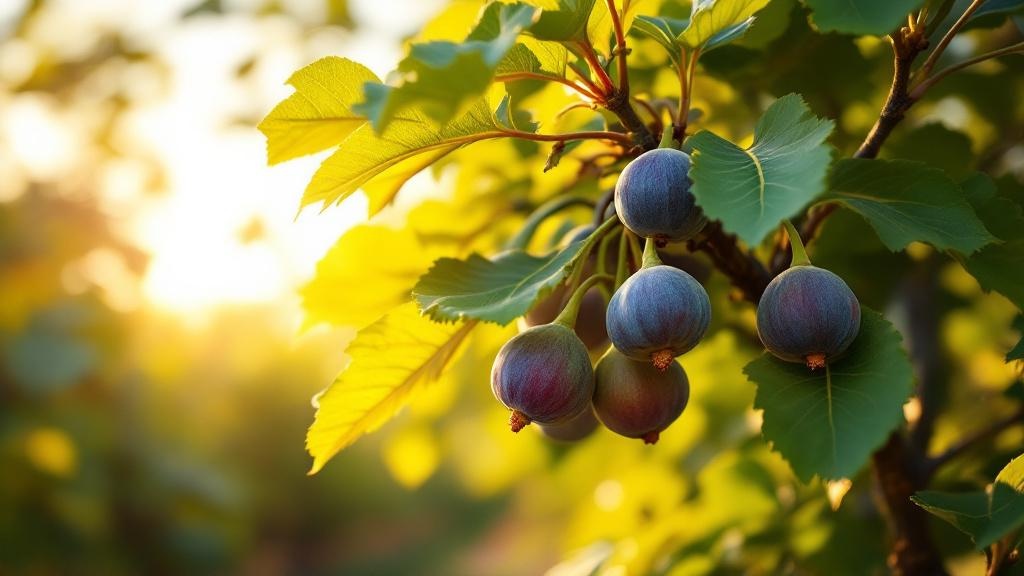
Most figs produce fruit from late July to September in temperate regions. Some varieties produce two crops annually (spring and autumn), but only the autumn crop typically ripens fully in zones 5-7. Ripe figs are soft, may have a slight split at the base, and drop easily from the tree.
What pests and diseases affect fig trees in Europe?
Fig rust and leaf-spotting fungi are common in humid autumns; improve airflow and remove affected leaves. Spider mites may appear indoors during winter storage. Scale insects occasionally infest figs; spray with horticultural oil in spring. Outdoor figs are rarely troubled by insects in cool climates.