Star Fruit
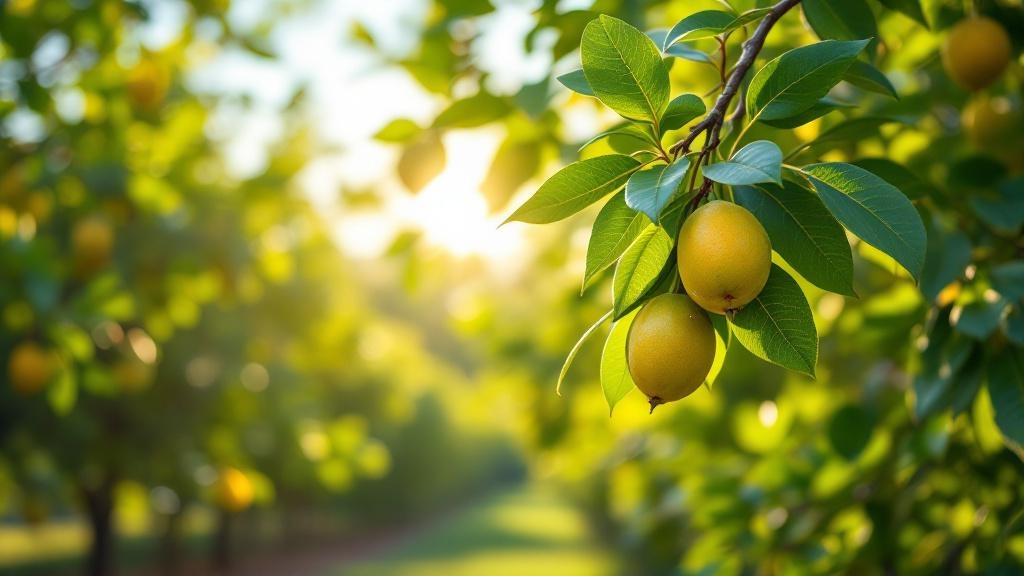
The star fruit tree captivates growers with its glossy foliage and uniquely ridged fruits that slice into perfect stars. In temperate climates like Central Europe or the Northern US, the most common question is whether you can actually grow this tropical tree at home. The answer is yes, but exclusively as a container plant that overwinters indoors. Success depends on mimicking its native warm, humid conditions and providing enough light during our shorter winter days.
Watering Your Star Fruit Tree Correctly
Water thoroughly when the top 3-5 cm of soil feels dry, typically every 5-7 days during the growing season from April through September. Reduce watering to every 10-14 days from October onwards when growth slows. Star fruit trees dislike both waterlogged roots and drought, so ensure excellent drainage and never let the pot sit in standing water. Use room-temperature rainwater or filtered water when possible, as they are sensitive to hard water.
Light Requirements for Indoor Carambola
Star fruit trees demand at least 6 hours of direct sunlight daily to thrive and fruit. Place yours in a south-facing window or conservatory from late March through October. During the darker months from November to February, supplement with a full-spectrum grow light for 10-12 hours daily. Insufficient light causes leggy growth and prevents fruiting entirely.
Soil Mix and Repotting Schedule
Plant in a rich, well-draining mix of two parts quality potting soil, one part perlite, and one part pine bark to maintain slight acidity (pH 5.5-6.5). Repot young trees annually in early April, moving up one pot size. Mature trees need repotting every 2-3 years or when roots circle the drainage holes. Use terracotta pots for better moisture regulation and stability.
Temperature and Humidity Needs
Maintain temperatures between 18-30°C year-round, as star fruit trees suffer damage below 10°C and die at frost. Move your tree outdoors to a sunny patio from late May through early September in most temperate regions. Begin overwintering indoors before night temperatures drop below 12°C, typically by mid-September. Maintain humidity above 50% using a pebble tray or humidifier, especially during central heating season.
Fertilizing for Healthy Growth and Fruit
Feed every two weeks from April through August with a balanced liquid fertilizer diluted to half strength. Switch to a high-potassium fertilizer monthly from late summer if your tree is flowering. Stop fertilizing entirely from October through February during the dormant period. Iron deficiency is common in alkaline water areas, so apply chelated iron supplement if leaves yellow between veins.
Common Problems and Solutions
Spider mites thrive in dry indoor air during winter heating season. Inspect leaf undersides regularly and treat with insecticidal soap or neem oil at first sign. Scale insects appear as brown bumps on stems and can be removed with alcohol-soaked cotton swabs. Leaf drop usually indicates cold stress, overwatering, or sudden environmental changes. Adjust conditions gradually when moving trees between indoor and outdoor locations.
Frequently asked questions
Can you grow star fruit in the UK or Germany?
Yes, but only as an indoor container plant that summers outdoors. Star fruit trees cannot survive temperatures below 10°C, making outdoor planting impossible in temperate climates. Grow in large pots and overwinter in a heated conservatory or bright room maintained above 15°C.
Why are my star fruit tree leaves turning yellow?
Yellow leaves typically indicate overwatering, iron deficiency, or cold stress. Check that soil drains freely and reduce watering frequency. If yellowing occurs between green veins, apply chelated iron. Ensure temperatures remain above 15°C, especially during autumn transition periods.
How long until a star fruit tree produces fruit?
Seed-grown trees take 4-7 years to fruit, while grafted varieties may fruit within 2-3 years. Indoor trees in temperate climates often struggle to fruit due to insufficient light. Supplemental grow lights and hand pollination with a small brush improve fruiting chances significantly.
Is star fruit toxic to cats and dogs?
Yes, star fruit is toxic to pets and should be kept out of reach. The fruit contains high levels of oxalic acid and caramboxin, which can cause kidney damage, vomiting, and neurological symptoms in cats and dogs. Even small amounts are dangerous for animals with existing kidney issues.
When does star fruit bloom indoors?
Indoor star fruit trees typically bloom in late spring through summer when given adequate light and warmth. Flowers appear in clusters along branches and are small, pink to lavender in color. In temperate indoor conditions, flowering may occur sporadically year-round if light levels are sufficient.