Copper Beech
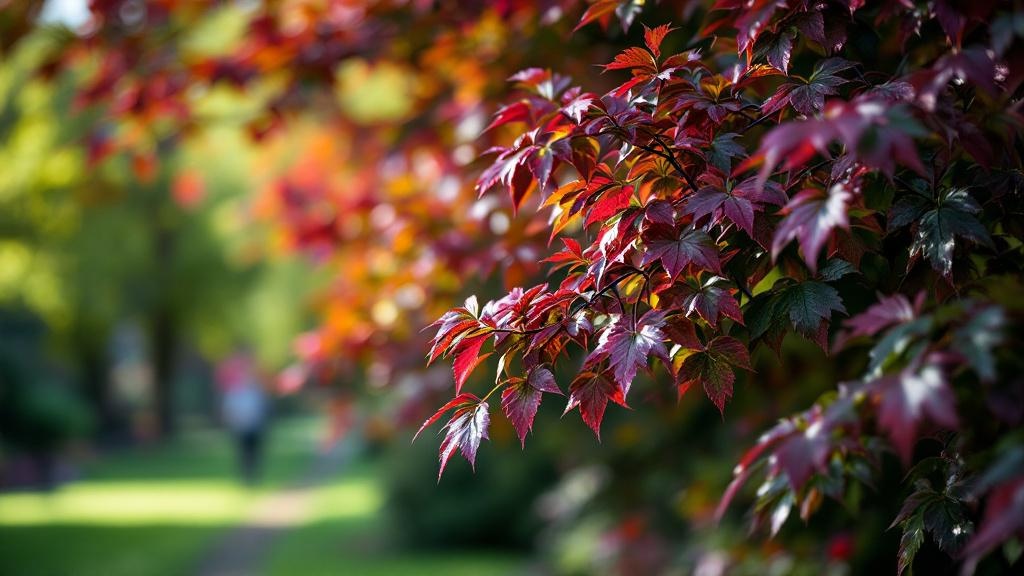
The Copper Beech stands among the most magnificent ornamental trees for temperate gardens, with its dramatic purple-bronze leaves creating year-round visual impact. If you're searching for answers about growing this tree, you're likely wondering whether your garden is suitable and how much space it truly needs. This guide covers everything from planting to long-term care, helping you successfully establish this living heirloom that can grace your landscape for centuries.
Watering Your Copper Beech Tree
Young Copper Beeches need consistent moisture during their first 2-3 years. Water deeply every 7-10 days during dry spells from April through September, providing roughly 25 liters per watering session. Once established, mature trees are remarkably drought-tolerant thanks to their extensive root systems. During extreme summer heat waves, supplemental watering every 2-3 weeks helps maintain foliage quality.
Light Requirements for Optimal Purple Foliage
Copper Beech develops its richest purple coloration in full sun with at least 6 hours of direct light daily. Partial shade is tolerated, particularly in warmer zone 7-8 gardens, though foliage may appear more bronze-green than deep purple. Avoid heavily shaded positions where the tree becomes leggy and loses its characteristic dense branching habit.
Soil Preparation and Planting
Plant Copper Beech in deep, fertile soil with good drainage between late October and March while dormant. These trees prefer slightly acidic to neutral pH between 5.5 and 7.0 and struggle in waterlogged or heavily compacted clay. Dig a planting hole twice the root ball width and incorporate well-rotted compost. Stake young trees for the first 2-3 years until established.
Temperature Tolerance and Site Selection
Copper Beech thrives throughout USDA zones 5-7 and tolerates winter temperatures down to minus 25 degrees Celsius without damage. Late spring frosts in April and early May can damage emerging foliage, so avoid frost pockets in your garden. This tree appreciates sheltered positions away from strong prevailing winds which can desiccate foliage and distort growth habit.
Fertilizing for Healthy Growth
Apply a balanced slow-release fertilizer such as blood, fish, and bone meal around the root zone in early April as growth begins. Young trees benefit from annual feeding for the first 5-7 years, while established specimens rarely need supplemental nutrition if grown in reasonable soil. Avoid high-nitrogen feeds which promote soft, frost-susceptible growth.
Common Problems and Pests
Beech bark disease, caused by the beech scale insect combined with Neonectria fungus, creates cankers and can be fatal. Inspect bark annually in late summer for woolly white scale colonies and treat with horticultural oil. Powdery mildew may appear during humid August weather, particularly on young trees. Beech aphids cause honeydew deposits and sooty mold but rarely harm tree health.
Frequently asked questions
How fast does a Copper Beech tree grow?
Copper Beech grows approximately 30-40 centimeters per year under good conditions, reaching 10 meters in about 20 years. Growth rate depends heavily on soil quality, moisture availability, and exposure. With patience, mature specimens can eventually reach 25-30 meters tall with an equally impressive spread.
How big does a Copper Beech get?
A mature Copper Beech typically reaches 25-30 meters tall with a 15-20 meter canopy spread after 50-80 years. This is a substantial tree requiring significant garden space to develop properly. Consider the fastigiate variety Dawyck Purple if you need a narrower columnar form for smaller gardens.
Why are my Copper Beech leaves turning green?
Copper Beech leaves naturally fade toward green-bronze in late summer as chlorophyll production increases. Excessive shade is the most common cause of persistently green foliage throughout the season. Ensure your tree receives at least 6 hours of direct sunlight for optimal purple coloration.
When should I prune a Copper Beech tree?
Prune Copper Beech during late summer between July and early September when sap flow is minimal and wounds heal quickly. Avoid winter pruning which can lead to bleeding and disease entry. Remove dead, crossing, or damaged branches and shape young trees to establish a strong central leader.
Can Copper Beech be grown as a hedge?
Yes, Copper Beech makes an excellent formal hedge that retains its russet-bronze dead leaves through winter for year-round privacy. Plant hedging whips 45-60 centimeters apart between November and March. Trim twice yearly in late June and early September to maintain dense growth.