Rubber Plant
Rubber plants are among the most popular houseplants in temperate homes, prized for their large, glossy foliage and architectural presence. Their main care question is watering frequency—get it wrong and you risk root rot, get it right and you'll watch them flourish. This guide covers everything from seasonal watering schedules to troubleshooting yellowing leaves.
How to Water Your Rubber Plant
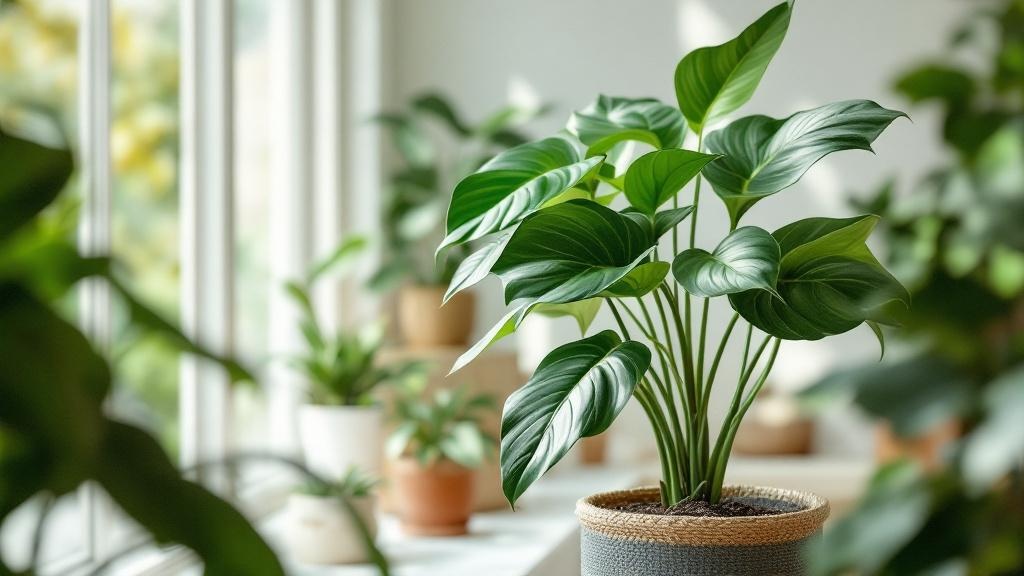
Water every 7-10 days during the growing season (April to September), allowing the top 2-3 cm of soil to dry between waterings. In autumn and winter, reduce frequency to every 10-14 days as growth slows. Always check soil moisture with your finger before watering—overwatering is the leading cause of root rot in rubber plants. Empty any standing water from the pot's saucer after 15 minutes to prevent root disease.
Light Requirements for Ficus elastica
Rubber plants perform best in bright, indirect light near an east or west-facing window. They tolerate medium light but grow slower and leaves may lose their lustre. Avoid direct summer sun through glass, which can scorch leaves, though 1-2 hours of morning sun is beneficial. If your plant is in a low-light corner, rotate it weekly toward the brightest area to encourage balanced growth.
Soil and Repotting Guidance
Use a well-draining potting mix enriched with perlite or orchid bark to prevent waterlogging. Repot every 18-24 months in spring (March to April) or when roots emerge from drainage holes. Choose a pot only 2-3 cm larger than the previous one—too much space around the root ball increases the risk of overwatering. Refresh the top 5 cm of soil annually if you skip repotting.
Temperature and Humidity Preferences
Maintain a steady temperature between 18-24°C year-round; rubber plants dislike cold drafts below 15°C. They adapt well to average indoor humidity but appreciate occasional misting or grouping with other plants to raise humidity around the leaves. In winter, keep them away from heat sources and cold windows. In heated homes, a quarterly shower or gentle wipe of leaves removes dust and improves photosynthesis.
Feeding Your Rubber Plant
Feed with a balanced, diluted houseplant fertilizer every 4-6 weeks during the growing season (May to August). Use half the recommended strength to avoid salt buildup in the soil. Do not fertilize in autumn or winter when growth is minimal. Overfertilizing causes leaf spot and stunts growth, so less is more with rubber plants.
Common Problems and Solutions
Yellow leaves are usually caused by overwatering or poor drainage—check roots for rot and repot if needed. Brown leaf edges indicate low humidity or infrequent misting; increase misting to twice weekly in dry months. Spider mites and mealybugs are common pests in temperate homes during winter; spray affected areas with neem oil or insecticidal soap every 7 days until resolved. Scale insects may appear on stems; remove them manually with a damp cloth and monitor weekly.
Frequently asked questions
How often should I water my rubber plant?
Water every 7-10 days in summer and every 10-14 days in winter, checking that the top 2-3 cm of soil is dry first. Overwatering causes root rot, which is the most common killer of rubber plants. Always empty excess water from the saucer within 15 minutes of watering.
Why are my rubber plant leaves turning yellow?
Yellow leaves usually signal overwatering or inadequate drainage. Check the roots for soft, dark patches indicating rot—if present, repot into fresh, dry soil immediately. If roots are healthy and leaves are gradually yellowing from the base, it may be natural aging; simply remove old leaves.
Can I keep my rubber plant in low light?
Rubber plants tolerate low light but grow very slowly and become leggy. Bright, indirect light produces the most compact, vibrant plants; if low light is unavoidable, rotate the plant toward a window weekly and accept slower growth.
Is a rubber plant toxic to cats and dogs?
Yes, rubber plants are mildly toxic to cats and dogs and cause mild gastroenteritis if chewed or ingested. Place your plant out of reach of curious pets, and consider a tall shelf or hanging location. If your pet ingests a large amount, contact a veterinarian.
When should I repot my rubber plant?
Repot every 18-24 months in spring (March to April) when growth resumes. Choose a pot only 2-3 cm larger than the current one to avoid excess soil that retains moisture. If repotting feels disruptive, simply refresh the top 5 cm of soil annually.