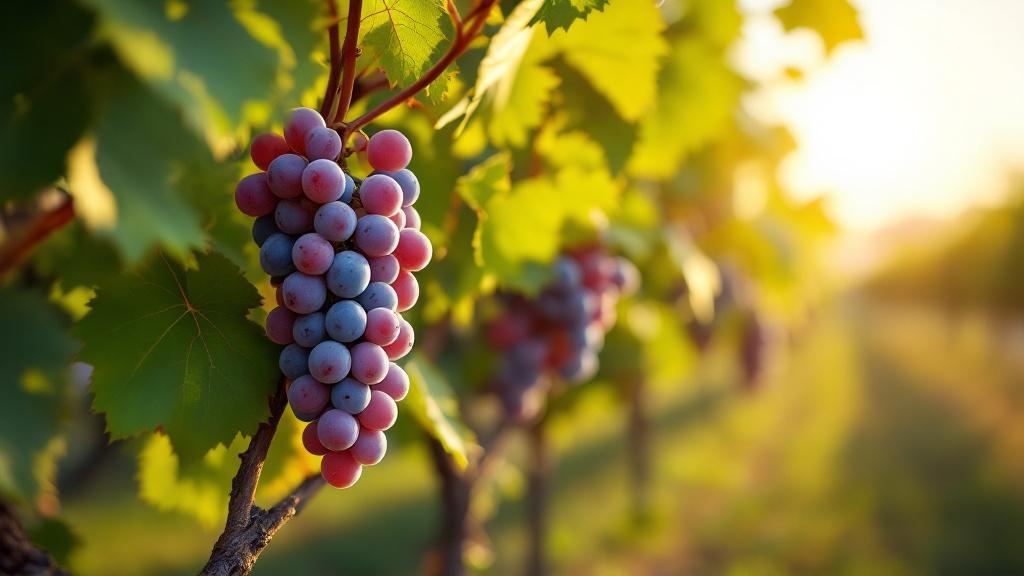
Grape Vine
Grape vines are among the most rewarding fruit plants for temperate gardeners, producing sweet fruit year after year with proper care. Whether you're growing wine grapes or table varieties, success depends on understanding seasonal pruning, training systems, and water management. Most home gardeners ask: how do I prune correctly and when, and how much water do my vines actually need?
Watering Your Grape Vine
Grape vines need deep, infrequent watering rather than daily sprinkling. In summer (June-August), water thoroughly every 7-10 days, aiming for 2-3 cm of water per week. Reduce watering in autumn as the plant enters dormancy, and in winter, established vines require minimal supplemental water unless conditions are unusually dry. Mulch around the base to retain moisture and regulate soil temperature.
Light Requirements
Grape vines demand full sun to develop sweet fruit and ripen properly. Plant in a south-facing location with at least 6-8 hours of direct sunlight daily. Insufficient light leads to poor fruit set, delayed ripening, and increased disease susceptibility. In temperate climates, afternoon shade may be beneficial only in extremely hot summer regions, but most Central European and UK gardens benefit from maximum sun exposure.
Soil and Repotting
Grape vines prefer well-draining soil with a slightly alkaline pH (6.5-7.5). Avoid waterlogged clay soils by amending with sand, gravel, or organic matter. Plant vines in spring (March-April) in your region, spacing them 1.5-2 metres apart. Established vines do not need repotting, but top-dress annually with compost in early spring to replenish nutrients.
Temperature and Humidity
Grape vines are hardy perennials that survive harsh temperate winters, dormant when temperatures drop below freezing. They require a winter cold period of 200+ chilling hours below 7°C to break dormancy and flower properly in spring. Humidity is generally not a concern in temperate climates, though good air circulation around the canopy reduces fungal diseases like powdery mildew. In frost-prone areas, protect young canes from late spring frosts.
Fertilizing
Grape vines require moderate feeding. Apply a balanced fertilizer (10-10-10) in early spring (March) as growth resumes, and a potassium-rich formula (e.g., 5-10-15) in early June to support fruit development. Avoid over-fertilizing, which encourages excessive foliage at the expense of fruit. Organic growers can use compost, well-rotted manure, or seaweed-based products. Cease feeding by August to allow the vine to ripen fruit properly.
Common Problems and Solutions
Powdery mildew is the most common disease in temperate regions, appearing as white powder on leaves and fruit in warm, humid conditions. Prevent by ensuring good air circulation through pruning and applying sulfur dust or a fungicide in June-July. Downy mildew causes yellow patches on leaves in wet springs; use copper fungicides and improve drainage. Grapevine moths and beetles damage fruit in late summer; use pheromone traps or insecticidal soap if necessary.
Frequently asked questions
How often should I water my grape vine?
Water deeply every 7-10 days during the growing season (May-September), providing 2-3 cm per week. Once established, vines are fairly drought-tolerant, but consistent watering improves fruit quality. Reduce frequency as growth slows in autumn.
When should I prune grape vines?
Prune in late winter (February-March) while dormant, removing old canes and leaving only strong 2-year-old wood with 6-8 buds per spur. Never prune in autumn, as this encourages tender growth that frost will damage. Summer pruning focuses on removing excess foliage to expose fruit to sunlight.
Why are my grape leaves turning yellow?
Yellow leaves usually indicate nitrogen deficiency, overwatering, or disease. Check soil moisture first; if it's soggy, improve drainage. If soil is dry, feed with a balanced fertilizer. Yellowing between leaf veins with green veins remaining may suggest iron deficiency in alkaline soils; apply chelated iron.
How long does it take for a grape vine to produce fruit?
Most grape varieties begin producing light fruit crops in their second or third year after planting, reaching full production by year four or five. Patience with young vines pays off; avoid excessive cropping in early years to establish a strong framework.
Can I grow grape vines in a pot or container?
Yes, grape vines grow well in large containers (50+ litres) for 2-3 years, though they eventually need in-ground planting or larger containers. Use a soil-based potting mix, water regularly during summer, and bring potted vines against a warm wall or into a cold greenhouse over winter in very cold regions.
🩺 Common diseases and pests
These problems commonly affect this plant. Click any to see full symptom descriptions, organic and chemical treatment, and prevention.