Aluminum Plant
The aluminum plant (Pilea cadierei) is prized by indoor gardeners for its compact size and striking silver-marked foliage that brightens any room. Though relatively forgiving, the most common care challenge is preventing leaf drop caused by inconsistent watering or low humidity—two factors easily managed with the right routine and environment setup.
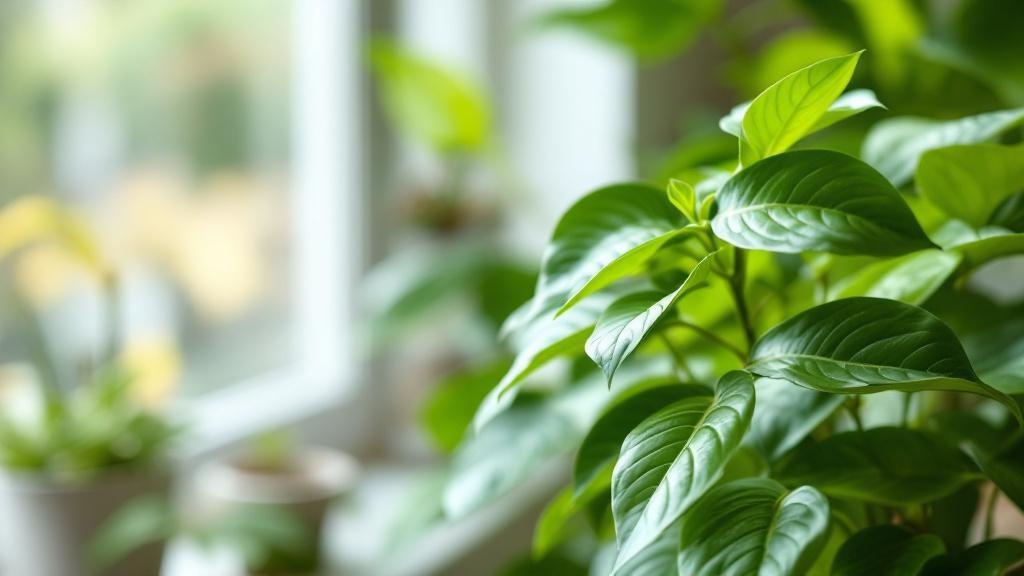
Watering Your Aluminum Plant
Water your Pilea cadierei every 7-10 days during spring and summer when the top inch of soil feels dry to the touch. In autumn and winter, reduce frequency to every 10-14 days as growth slows and evaporation decreases. Overwatering is the primary threat; always err on the drier side rather than soggy soil, as this causes root rot and yellowing leaves. Use room-temperature water and avoid letting the pot sit in standing water.
Light Requirements for Bright Foliage
Aluminum plants need bright, indirect light to maintain their signature silver variegation and compact growth habit. A spot near an east- or west-facing window, or 1-2 metres from a south-facing window, is ideal in temperate climates. Direct afternoon sun can bleach or scorch the delicate leaves, while insufficient light causes weak growth and pale foliage. Rotate the pot every 2-3 weeks to ensure even growth on all sides.
Soil and Repotting Guidelines
Use a well-draining, slightly acidic potting mix—a blend of peat-free compost with added perlite or orchid bark works well. Repot every 12-18 months in late spring once the plant outgrows its container or roots emerge from drainage holes. Choose a pot only 1-2 cm larger than the previous one to avoid excess moisture retention. Aluminum plants prefer snug conditions and grow best in smaller pots.
Temperature and Humidity for Healthy Growth
Keep temperatures consistent between 18-24°C; aluminum plants dislike sudden temperature swings and drafts from heating vents or open windows. Humidity is crucial—these tropical natives thrive in 50-60% relative humidity, so mist foliage lightly 2-3 times per week or group plants together to create a humid microclimate. During dry winters in temperate homes, place the pot on a pebble tray filled with water (pot base above water level) to boost ambient humidity without waterlogging roots.
Fertilizing for Vigorous Growth
Feed your aluminum plant every 2-3 weeks during the growing season (March to September) with a diluted, balanced liquid fertilizer. In autumn and winter, reduce feeding to once monthly or pause entirely as growth naturally slows. Aluminum plants are light feeders; over-fertilizing causes salt accumulation and leaf browning. Always water the soil before applying fertilizer to prevent root burn.
Common Problems and Solutions
Yellowing or dropping leaves usually indicate overwatering or cold exposure—check soil moisture and move the plant away from cold drafts. Spider mites and mealybugs are common indoor pests in temperate homes; spray affected foliage with insecticidal soap every 7 days until pests clear, or isolate the plant to prevent spread. Brown leaf tips signal low humidity; increase misting frequency and use a humidifier if needed, especially during winter heating season.
Frequently asked questions
How often should I water an aluminum plant?
Water every 7-10 days in spring and summer when the top inch of soil is dry, reducing to every 10-14 days in autumn and winter. Overwatering is the primary cause of leaf loss, so always allow soil to dry slightly between waterings.
Why are my aluminum plant leaves turning yellow?
Yellow leaves typically result from overwatering or poor drainage. Check that your pot has drainage holes and the soil dries out between waterings. If yellowing begins at the base with leaf drop, cold drafts or temperatures below 15°C may be the culprit—move the plant to a warmer, stable location.
Can aluminum plants survive in low light?
Aluminum plants can tolerate lower light but will lose their vibrant silver variegation and become leggy and pale. Bright indirect light is essential for maintaining compact, attractive foliage. If natural light is limited, place the plant within 1 metre of a window or consider supplemental grow lighting.
Is an aluminum plant toxic to cats or dogs?
No, aluminum plants are completely non-toxic and safe for cats, dogs, and other pets. You can safely grow them in homes with curious animals without worry about poisoning.
When should I repot my aluminum plant?
Repot every 12-18 months in late spring or early summer when roots begin emerging from drainage holes. Use a pot only 1-2 cm larger than the current one and refresh with well-draining potting mix to avoid root rot.