Wall Cotoneaster
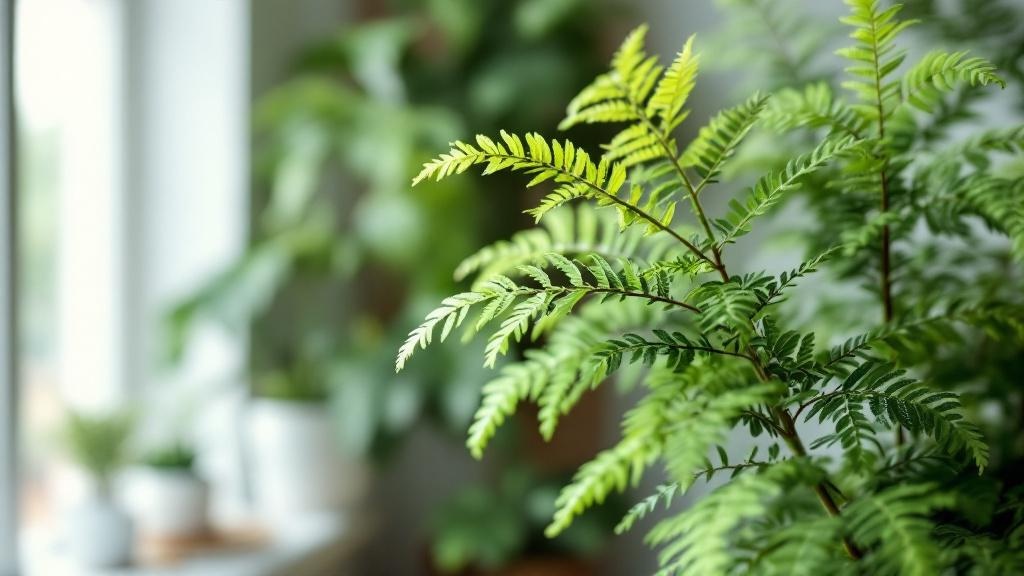
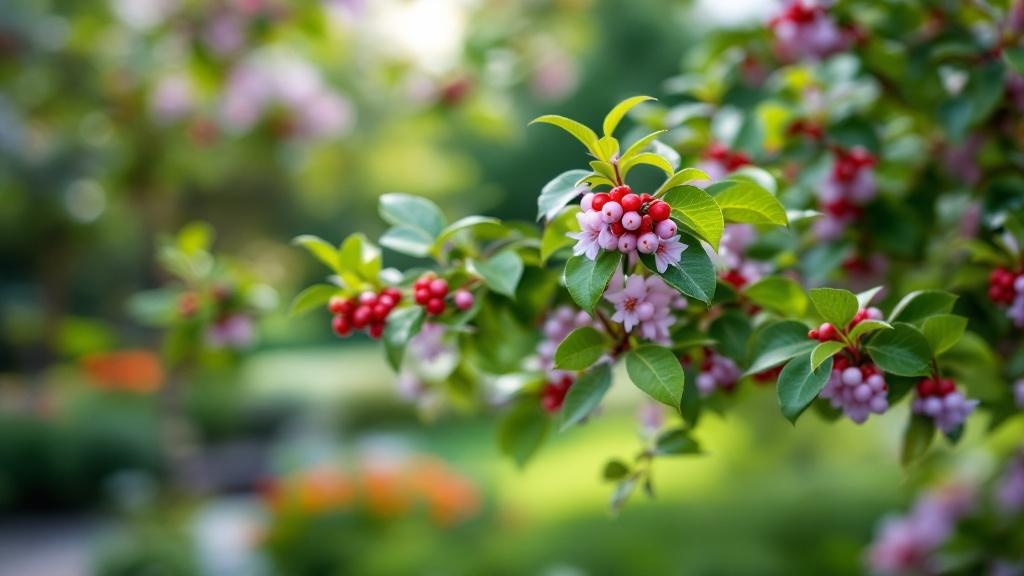
Wall Cotoneaster is one of the most reliable ground-cover shrubs for temperate gardens, thriving against walls, banks, and difficult slopes where other plants struggle. Gardeners frequently ask how to control its spread while maintaining its attractive fishbone growth pattern. This deciduous to semi-evergreen shrub rewards minimal effort with glossy summer foliage, tiny pink-white flowers beloved by bees in May and June, and brilliant red berries that persist into winter, feeding birds when food is scarce.
Watering Your Wall Cotoneaster
Once established after the first growing season, Wall Cotoneaster is remarkably drought-tolerant and rarely needs supplemental watering. During the first year after planting, water deeply every 10-14 days if rainfall is lacking, especially during dry spells in July and August. Avoid waterlogging, as this shrub despises sitting in wet soil over winter.
Light Requirements for Healthy Growth
Wall Cotoneaster performs best in full sun, which encourages the densest berry production and most vibrant autumn color. It tolerates partial shade admirably, making it useful for north-facing walls, though flowering and fruiting will be reduced. In deep shade, growth becomes leggy and sparse, so aim for at least 4 hours of direct sunlight daily.
Soil and Planting Considerations
This adaptable shrub thrives in almost any soil type, from chalky limestone to heavy clay, provided drainage is adequate. Plant bare-root specimens from November to March when dormant, or container-grown plants anytime the ground is not frozen or waterlogged. Dig a hole twice the root ball width, backfill with native soil, and mulch with bark chips in spring to retain moisture during establishment.
Temperature and Hardiness
Wall Cotoneaster is fully hardy throughout USDA zones 5-8, tolerating winter temperatures down to minus 20 degrees Celsius without protection. It handles exposed, windy sites exceptionally well, making it ideal for coastal gardens and open hillsides. Late spring frosts rarely damage established plants, though newly planted specimens benefit from fleece protection during their first winter if planted in autumn.
Feeding and Fertilizing Schedule
This undemanding shrub requires minimal feeding in average garden soil. Apply a balanced granular fertilizer such as blood, fish, and bone in late March as growth resumes, scratching it lightly into the soil surface. On very poor or sandy soils, repeat the application in early June. Avoid high-nitrogen feeds, which promote soft, disease-prone growth at the expense of flowers and berries.
Common Problems and Solutions
Fireblight is the most serious disease affecting cotoneasters in temperate regions, causing branches to blacken and wilt as if scorched; prune affected growth 30cm below visible damage in dry weather and sterilize tools between cuts. Woolly aphids sometimes colonize stems, leaving white waxy deposits, but rarely cause lasting harm and can be blasted off with a strong water jet. Scale insects occasionally appear as brown bumps on older wood; treat heavy infestations with horticultural oil spray in late winter before growth begins.
Frequently asked questions
How fast does Wall Cotoneaster grow?
Wall Cotoneaster grows approximately 30-45cm per year in favorable conditions. It typically reaches its mature spread of 1.5-2 meters within 5-7 years. The characteristic herringbone branching pattern develops naturally without training.
When should I prune Wall Cotoneaster?
Prune Wall Cotoneaster in late winter, from late February to mid-March, before new growth begins. Remove dead, damaged, or crossing branches and trim back overly long shoots to maintain shape. Avoid heavy pruning in autumn, as this removes the ornamental berries.
Is Wall Cotoneaster toxic to cats and dogs?
Yes, Wall Cotoneaster berries are mildly toxic to cats and dogs if eaten in large quantities. Ingestion typically causes vomiting, diarrhea, and drooling. While rarely life-threatening, contact your veterinarian if your pet consumes a significant number of berries.
Why are my Cotoneaster leaves turning yellow?
Yellow leaves on Cotoneaster usually indicate waterlogged soil or poor drainage rather than nutrient deficiency. Check that the planting site drains freely and reduce watering if the soil feels consistently wet. Improving drainage or relocating the plant often resolves the problem within one growing season.
Does Wall Cotoneaster attract bees and birds?
Yes, Wall Cotoneaster is excellent for wildlife in temperate gardens. The small pink-white flowers in May and June attract honeybees and bumblebees, while the persistent red berries provide vital winter food for blackbirds, thrushes, and waxwings from October through February.
🩺 Common diseases and pests
These problems commonly affect this plant. Click any to see full symptom descriptions, organic and chemical treatment, and prevention.