Mint
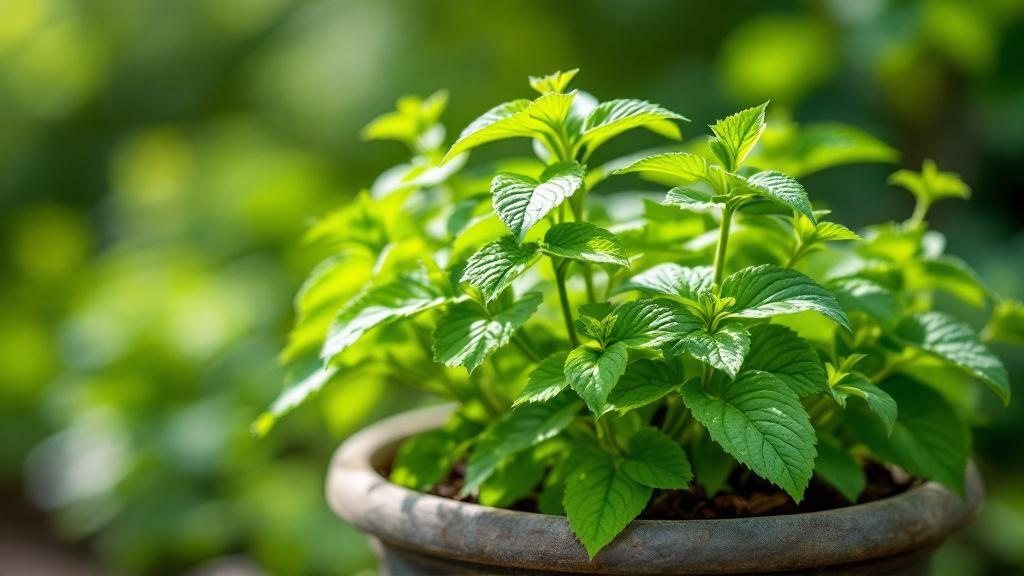
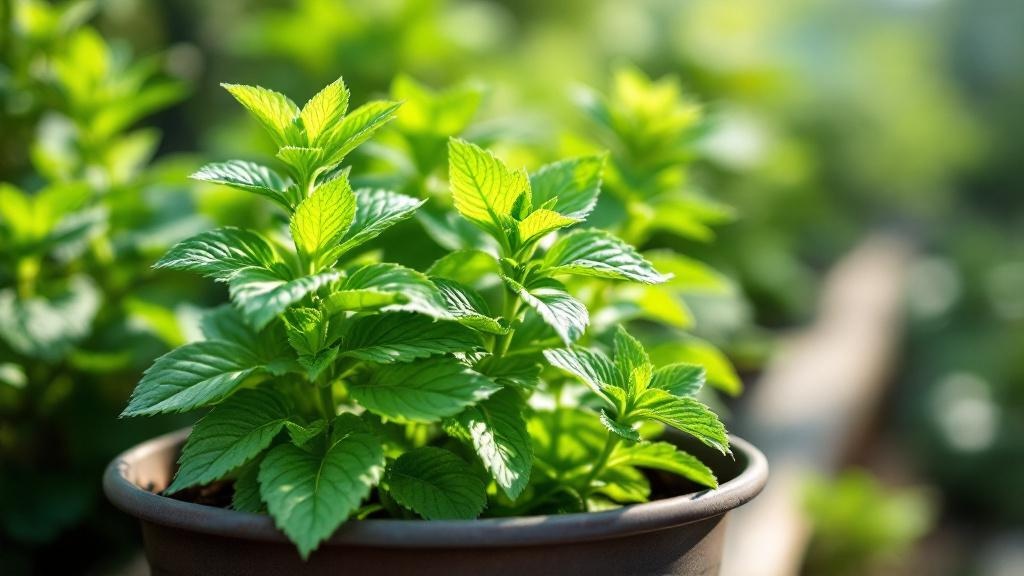
Mint is one of the easiest herbs to grow in temperate climates, often spreading so enthusiastically it needs containment. Whether you're growing spearmint, peppermint, or apple mint, the biggest question gardeners ask is how to prevent it from taking over the entire garden. Once established, mint rewards you with endless fresh leaves for tea, cocktails, and cooking—often with just a little water and sunlight.
Watering Your Mint Plant
Mint loves consistent moisture and should never fully dry out between waterings. In summer, water every 5-7 days; in cooler months (October through March), reduce to every 10-14 days as growth slows. If growing in containers, check soil daily as pots dry faster than garden beds. Overwatering rarely kills mint, but waterlogged roots can eventually rot, so ensure pots have drainage holes.
Light Requirements for Mint
Mint thrives in full sun (6+ hours daily) but tolerates partial shade, making it flexible for most garden positions. In temperate regions with hot summers, afternoon shade can actually improve leaf flavor and prevent excessive drying. Indoor mint on a south-facing windowsill will grow well; rotate pots weekly to prevent leaning toward the light.
Soil & Repotting Mint
Mint is unfussy about soil and grows in clay, loam, or sandy soil as long as it drains reasonably well. For container growing, use a general-purpose potting mix. Repot every 12-18 months or when roots emerge from drainage holes. Spring (April-May) is the best time to repot in temperate climates; this gives plants the growing season to establish.
Temperature & Humidity for Mint
Mint is extremely hardy in temperate zones (survives winter to -15°C) and actually needs a cold period to enter dormancy. Above ground dies back in November-December; roots survive underground and regrow from March onward. Indoor mint prefers 15-20°C; avoid hot radiators. Humidity is not critical, though occasional misting keeps leaves fresh.
Fertilizing Mint
Mint is not a heavy feeder and thrives without fertilizer in garden beds rich with organic matter. For potted mint, apply a balanced liquid feed (like tomato fertilizer diluted to half strength) every 3-4 weeks during the growing season (May-September). Stop feeding in autumn as growth naturally slows. Overfeeding produces leafy but less aromatic plants.
Common Problems & Solutions
Mint can suffer from rust (orange pustules on leaf undersides) in humid, poorly ventilated spaces—improve airflow and remove affected leaves. Spider mites occasionally colonize indoor mint in dry conditions; mist leaves and increase humidity. Mint root rot from waterlogging is rare but fatal; prevent by ensuring good drainage. Slugs and aphids are occasional pests in garden beds; handpick or use organic pest spray if needed.
Frequently asked questions
How often should I water mint?
Water mint every 5-7 days in summer to keep soil consistently moist, and every 10-14 days in winter when growth slows. Check soil with your finger; if the top inch feels dry, water immediately. Container mint dries faster than garden beds, so check daily.
Can I grow mint indoors?
Yes, mint grows well indoors on a sunny windowsill (south or west-facing is ideal) with 4-6 hours of direct light daily. Use well-draining potting soil and water when the top inch feels dry. Rotate the pot weekly to prevent lopsided growth.
Why is my mint turning brown?
Brown leaves often signal overwatering or poor drainage in the roots. Check that pots have drainage holes and soil isn't waterlogged. Rust fungus also causes brown pustules on leaf undersides; increase airflow and remove affected leaves immediately. Less commonly, spider mites cause brown stippling—mist leaves to control them.
How do I prevent mint from spreading everywhere?
Mint spreads via underground runners, so always grow it in pots or contained beds rather than directly in garden soil. If planting in the ground, sink a bottomless pot (at least 30 cm deep) into the soil to contain roots. Harvest stems regularly to manage size and encourage bushier growth.
When can I harvest mint?
Harvest mint once plants are 15-20 cm tall, usually 6-8 weeks after planting. Pinch out the top 2-3 cm of stems regularly throughout May-September; this encourages bushy growth and prevents flowering. Avoid harvesting more than one-third of the plant at once to maintain vigor.
🩺 Common diseases and pests
These problems commonly affect this plant. Click any to see full symptom descriptions, organic and chemical treatment, and prevention.