Fire blight
📖 Overview
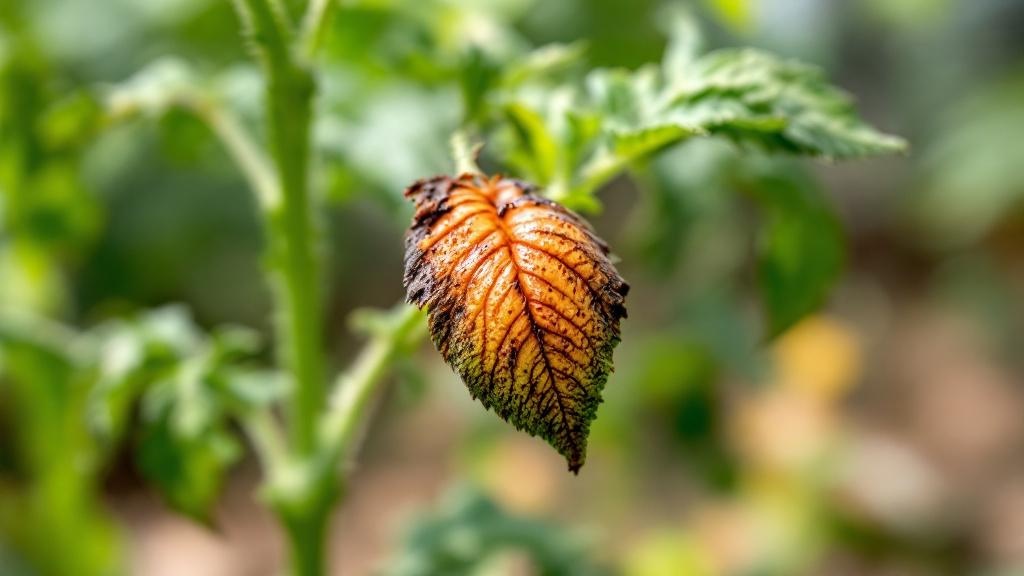
Fire blight is a devastating bacterial disease caused by Erwinia amylovora that attacks the flowers, shoots and branches of apple, pear, quince and related ornamental trees. The infection moves rapidly through the plant, causing leaves and twigs to suddenly blacken and wither as if burned by fire, with affected branch tips characteristically curling into a shepherd's crook shape. What makes fire blight particularly serious is its speed and the permanence of the damage: once a branch is infected, there is no cure, and the disease can kill an entire tree within a single growing season if left unchecked.
This disease strikes hardest during spring and early summer, typically between April and June in temperate climates, when trees are flowering and new growth is tender. The first visible sign is usually the sudden wilting and browning of flower clusters, followed within days by blackening of the young twigs behind them. You may also notice a distinctive milky or amber-colored bacterial ooze seeping from cracks in the bark, especially after rain. The shepherd's crook appearance of dead branch tips is the most characteristic symptom and distinguishes fire blight from other branch diseases like winter frost damage, which tends to affect the entire branch uniformly and lacks the shepherd's crook bend.
Fire blight is of critical concern to home gardeners because it is a regulated quarantine disease in the European Union and must be reported to your local plant protection authority (in Hungary, to NÉBIH) if suspected. The disease spreads through flower visits by pollinating insects, water splash during rain, and pruning wounds, making spring the most dangerous window. While resistant varieties exist for some host plants, early detection and immediate, drastic action are your only reliable defenses.
🔍 How to identify
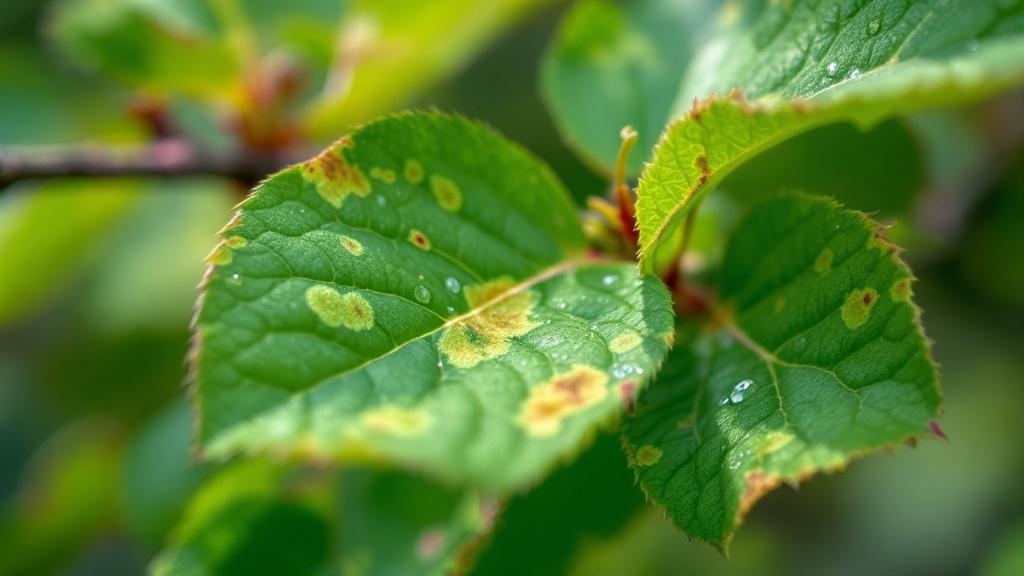
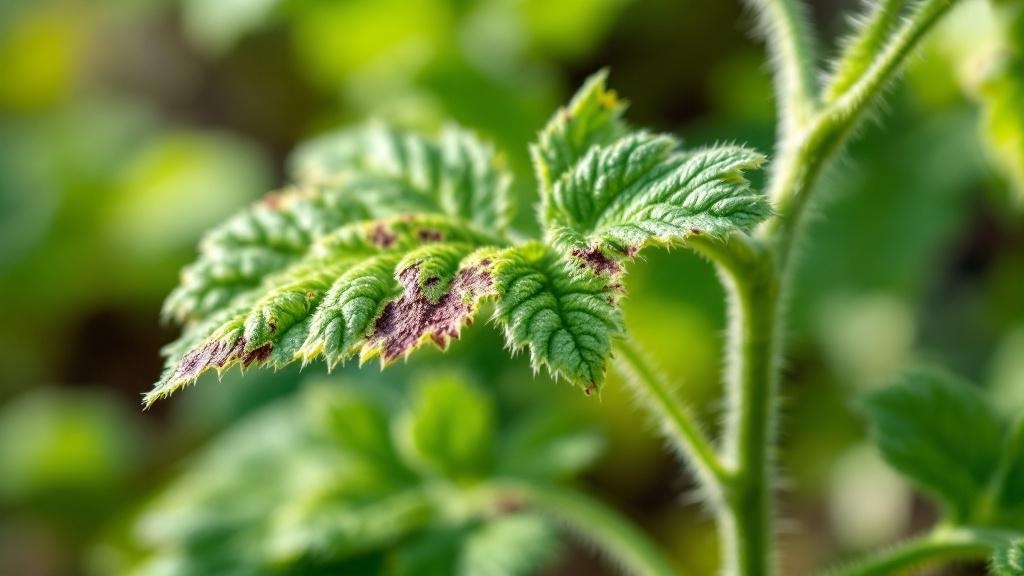
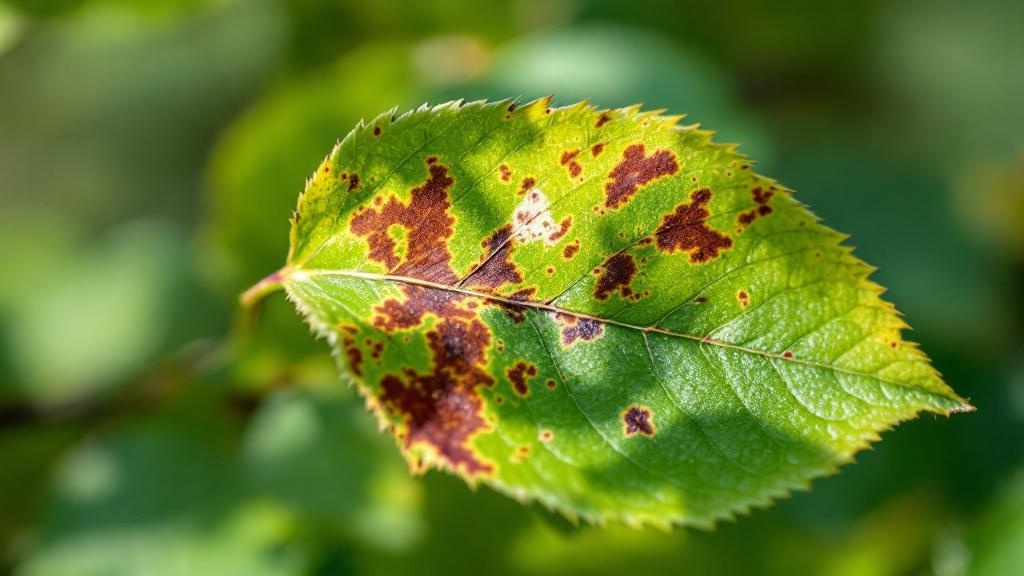
A levelek és vesszők hirtelen "leégnek", barnák vagy feketék lesznek, a fa végek L-alakban behajlanak ("pásztorbot"). Kezdetben a virágok hervadnak el. Sebekből tejszerű váladék.
🌿 Common host plants
💊 Treatment
NINCS hatékony bio kezelés. Drasztikus visszametszés 30-50 cm-rel a fertőzött rész alá, eszközök 70% alkohollal fertőtlenítve minden vágás után. Fertőzött rész elégetése.
Réz-alapú megelőzés (de szigorúan szabályozott EU-ban). Streptomycin nem engedélyezett Magyarországon.
🛡️ Prevention
Karantén-figyelő. Új növény vásárlásnál tanúsított forrás. Kerüljük a túl bő nitrogén-tápozást.
💡 Notes
EU karantén-betegség. Magyarországon bejelentés-köteles a NÉBIH felé. Nagyon agresszív.
Frequently asked questions
How fast does fire blight spread through a tree?
Fire blight can advance down a branch at roughly 30 centimetres per week during active spring growth, so a small infection on a shoot can reach the main trunk within weeks if unchecked. Once it enters the trunk, it can kill the entire tree within one growing season, which is why immediate pruning is essential.
Can I save a tree with fire blight or do I have to cut it down?
You can sometimes save a tree if you catch the infection very early and prune aggressively, cutting at least 30 to 50 centimetres below the visible blackened tissue into healthy wood. However, if the disease has reached the main trunk or multiple large branches, the tree's survival chances drop sharply and removal is often the safer choice to prevent spread to neighbouring trees.
What weather conditions trigger a fire blight outbreak?
Warm, wet springs with temperatures between 15 and 27 degrees Celsius and frequent rain or dew are ideal for fire blight spread, because the bacteria move through water and are highly active when flowers and young shoots are wet. Frost damage in spring can also increase risk by creating open wounds through which bacteria enter.
Is fire blight contagious to my other plants and how do I avoid spreading it?
Yes, fire blight spreads readily to any apple, pear, quince, hawthorn, cotoneaster or rowan trees nearby, primarily via pollinating insects and water splash during rain. To prevent spread, disinfect your secateurs with 70 percent alcohol after every cut when pruning infected branches, and burn all infected material rather than composting it.
Does fire blight overwinter in soil or should I worry about reinfection next spring?
Fire blight does not survive in the soil, but it does overwinter in the canker tissues (dark sunken areas) on infected branches of the same tree or neighbouring host plants. This means even if you prune away visible symptoms now, the bacterium may survive in hidden cankers and flare up again in spring, so vigilance and follow-up inspections are essential.
Not sure what's wrong? Take a photo!
Plantora's AI Plant Doctor identifies the issue from a single photo in seconds and gives you a tailored treatment guide.
Try AI diagnosis (free) →