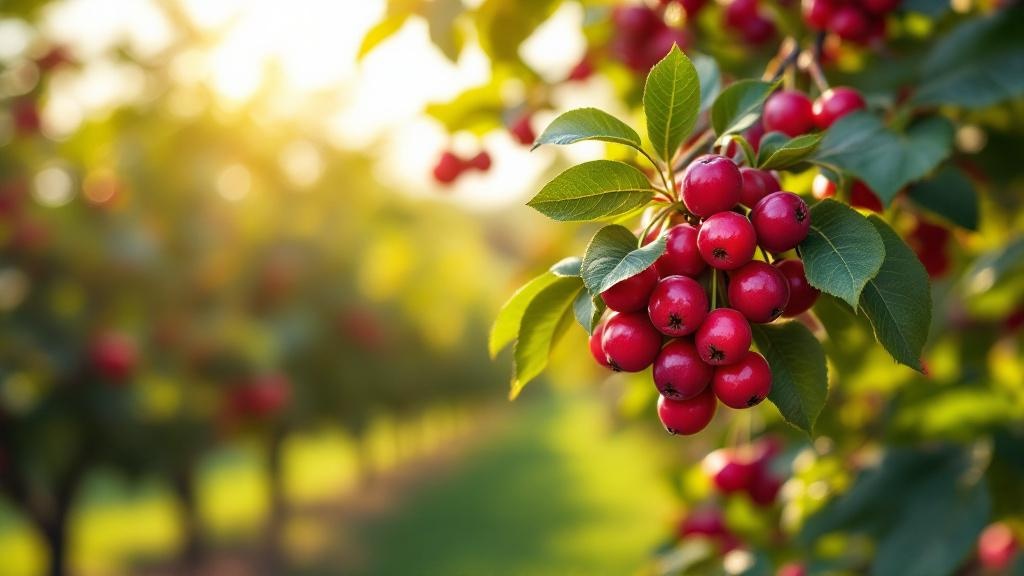
Cranberry
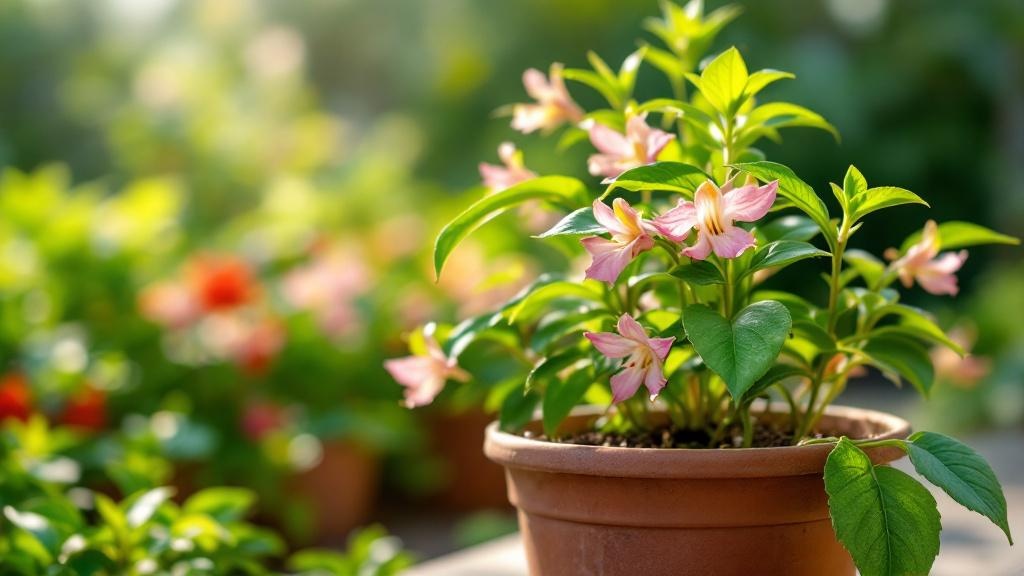
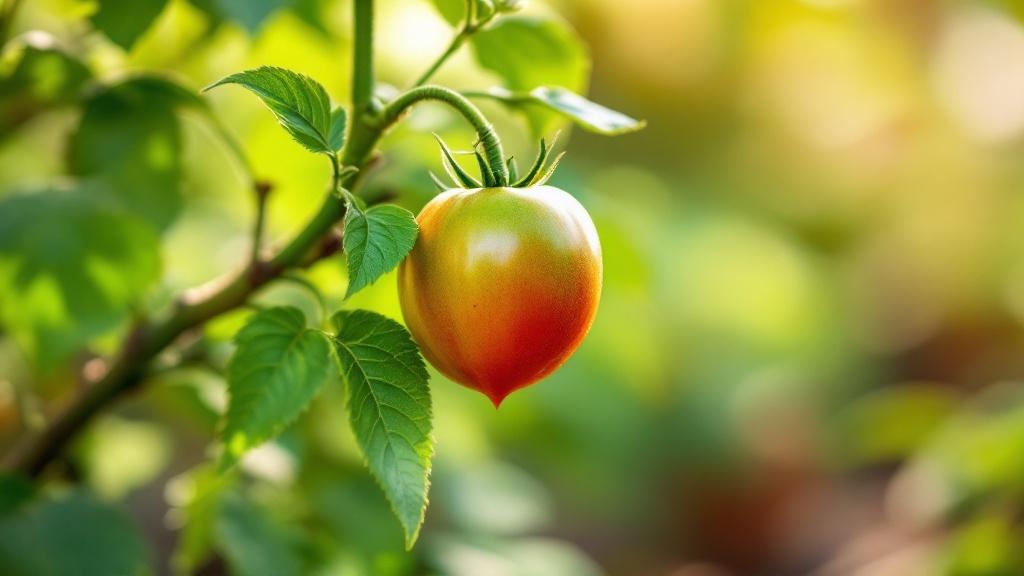
Cranberries are fascinating bog plants that most people never consider growing at home, yet they thrive beautifully in temperate gardens with the right conditions. The most common question gardeners ask is how to recreate the acidic, consistently moist environment these plants need. Native to peat bogs across Northern Europe and North America, Vaccinium oxycoccos rewards patient gardeners with delicate pink flowers in late spring and ruby-red berries ready for harvest in September and October.
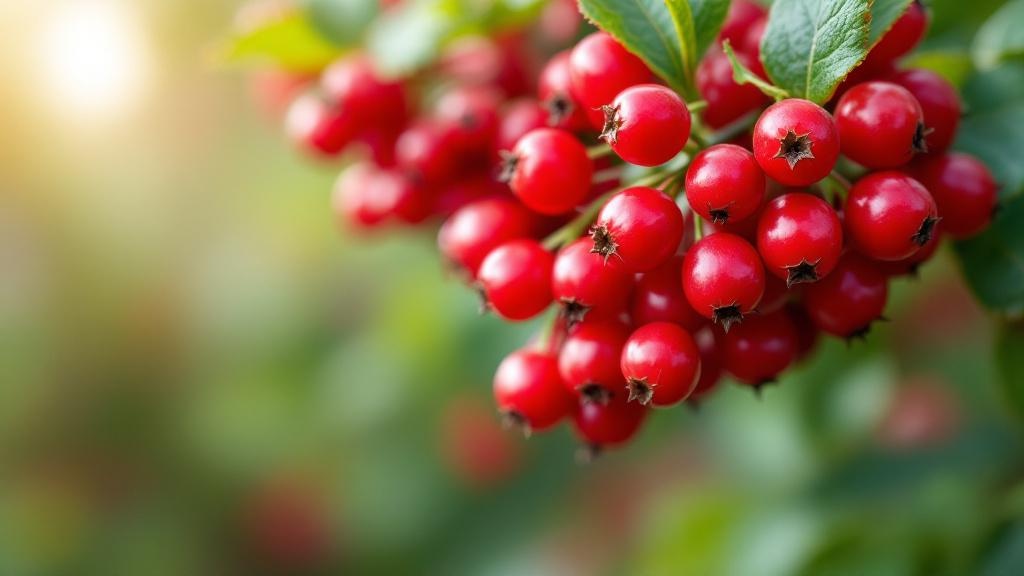
Watering Your Cranberry Plant: Mimicking Bog Conditions
Cranberries require consistently moist to wet soil, never allowing the roots to dry out completely. Water daily during hot summer spells and every 2-3 days in cooler weather. Use rainwater or distilled water when possible, as tap water in hard water areas can raise soil pH over time. In winter, reduce watering but ensure the soil remains damp, not waterlogged if frozen.
Light Requirements for Healthy Cranberry Growth
Cranberry plants perform best in full sun, receiving at least 6 hours of direct sunlight daily for optimal fruit production. In warmer parts of zone 7-8, afternoon shade helps prevent heat stress during July and August. Container-grown plants can be moved to follow seasonal light patterns, placing them in the brightest spot from April through September.
Soil and Repotting: Creating the Perfect Acidic Environment
Cranberries absolutely require acidic soil with a pH between 4.0 and 5.5, making standard potting mix unsuitable. Use a mixture of peat moss, sand, and ericaceous compost designed for blueberries and rhododendrons. Repot container plants every 2-3 years in early spring before new growth begins. Add a layer of sphagnum moss on top to help maintain moisture and acidity.
Temperature and Humidity for Cranberry Plants
These hardy plants tolerate extreme cold, surviving temperatures down to minus 30 degrees Celsius once established. They require winter chill hours below 7 degrees Celsius from November through February to produce fruit. Humidity is less critical than consistent soil moisture, but misting during dry indoor winters helps container plants. Protect spring flowers from late frosts in April, which can damage blooms and reduce harvest.
Fertilizing Cranberries: Less Is More
Cranberries are light feeders and excess fertilizer causes more harm than benefit. Apply a balanced acidifying fertilizer formulated for ericaceous plants once in early April and again in late May. Avoid fertilizers containing calcium or lime, which raise soil pH. Signs of over-fertilization include excessive leafy growth with poor fruit set.
Common Problems: Pests, Diseases, and Troubleshooting
Cranberry fruitworm and cranberry weevil occasionally appear in home gardens, causing damaged or dropped fruit in late summer. Fungal issues like fruit rot and leaf spot develop in poorly ventilated, overly wet conditions, so ensure good air circulation. Yellowing leaves typically indicate soil pH is too high, requiring treatment with sulfur or aluminum sulfate available at garden centres.
Frequently asked questions
How often should I water cranberry plants?
Water cranberry plants frequently enough to keep the soil consistently moist, typically daily in summer and every 2-3 days in cooler months. These bog plants cannot tolerate drought, and dry soil quickly causes leaf browning and plant decline. Using a self-watering container or placing pots in a shallow tray of water helps maintain consistent moisture.
Why are my cranberry plant leaves turning yellow?
Yellow leaves on cranberry plants almost always indicate the soil is not acidic enough, with pH rising above 5.5. Test your soil pH and amend with sulfur or aluminum sulfate to lower it back to the ideal 4.0-5.5 range. Hard tap water gradually raises pH over time, so switching to rainwater often resolves this issue within weeks.
When do cranberry plants produce fruit?
Cranberry plants flower in late May to June and produce ripe fruit from late September through October in temperate climates. Plants typically begin fruiting in their third or fourth year when grown from cuttings. Each delicate pink flower can develop into one berry if successfully pollinated by bees.
Can I grow cranberries in pots or containers?
Yes, cranberries grow excellently in containers, which actually makes controlling their acidic soil requirements easier. Use a wide, shallow container at least 30cm in diameter with drainage holes, filled with ericaceous compost mixed with peat and sand. Place the container in a tray to maintain the consistently moist conditions these bog plants require.
Are cranberry plants toxic to cats and dogs?
No, cranberry plants are completely non-toxic to cats, dogs, and other pets. Both the foliage and berries are safe, and cranberries are actually sometimes included in pet supplements for urinary health. This makes them an excellent choice for households with curious animals who might nibble garden plants.