European Hornbeam
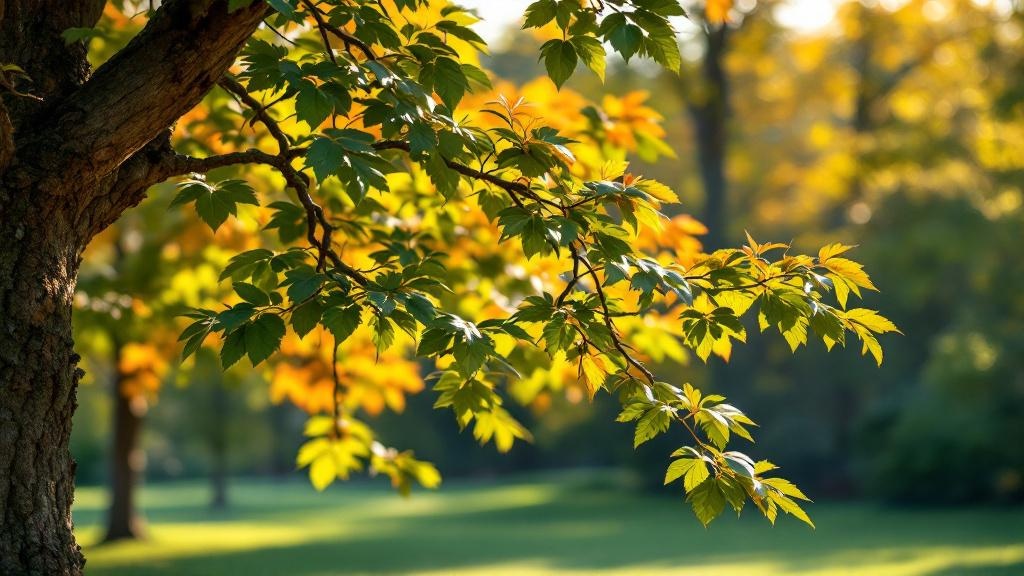
European Hornbeam is one of the most versatile trees for temperate gardens, prized for its dense foliage, architectural form, and ability to retain bronze autumn leaves through winter when clipped as a hedge. The most common question gardeners ask is how to establish and maintain hornbeam hedging, as this tree excels when shaped into formal screens, pleached boundaries, or left as a graceful standalone specimen reaching 20-25 metres at maturity.
Watering Your European Hornbeam
Water newly planted hornbeams deeply once per week during their first two growing seasons, roughly April through September. Once established, European Hornbeam is remarkably drought-tolerant and typically needs no supplemental watering except during extended dry spells lasting more than three weeks. For hedges, ensure even moisture across the entire root zone to promote uniform growth.
Light Requirements for Healthy Growth
European Hornbeam thrives in full sun to partial shade, making it ideal for various garden positions. Trees in full sun develop denser canopies and more vibrant autumn colour, while those in partial shade grow slightly more open. This adaptability makes hornbeam excellent for north-facing hedges where beech might struggle.
Soil and Planting Guidelines
Plant bare-root hornbeams between November and March when dormant, or container-grown specimens any time the ground is not frozen or waterlogged. European Hornbeam tolerates a wide range of soils including heavy clay, chalk, and sandy loams, though it prefers moist, well-drained conditions. Dig a hole twice the width of the root ball and plant at the same depth the tree was previously growing.
Temperature and Climate Tolerance
Fully hardy throughout temperate regions, European Hornbeam withstands winter temperatures down to minus 25C without damage. Late spring frosts rarely harm established trees, though newly flushed leaves on young specimens may suffer minor setback in late April cold snaps. The species handles urban pollution and exposed sites better than many alternatives.
Feeding Your Hornbeam
Apply a balanced slow-release fertiliser such as blood, fish and bone around the base in late March as growth begins. Established specimen trees rarely need feeding, but hedges benefit from an autumn mulch of well-rotted compost or bark chips to maintain soil fertility. Avoid high-nitrogen feeds after midsummer as soft growth is vulnerable to early frost damage.
Common Problems and Solutions
Hornbeam is generally trouble-free, but watch for powdery mildew during humid summers, appearing as white patches on leaves; improve air circulation and avoid overhead watering. Scale insects occasionally colonise branches; treat with winter wash oil in December or January. Coral spot fungus may affect dead wood, so prune out any infected branches to healthy tissue and dispose of debris away from the garden.
Frequently asked questions
How often should I water European Hornbeam?
Water weekly during the first two years after planting, then only during prolonged drought. Established hornbeams are drought-tolerant once their root systems develop. Deep, infrequent watering encourages roots to grow downward rather than staying near the surface.
When is the best time to prune hornbeam hedges?
Prune hornbeam hedges twice yearly: once in late June and again in late August or early September. This timing maintains a neat shape while allowing the characteristic marcescent leaves to persist through winter. Avoid pruning after mid-September as new growth will not harden before frost.
Why are my hornbeam leaves turning yellow?
Yellow leaves typically indicate waterlogging, drought stress, or nutrient deficiency. Check soil drainage first, as hornbeam dislikes sitting in water despite tolerating clay. If drainage is adequate, apply a balanced fertiliser in spring and ensure consistent moisture during dry periods.
Is European Hornbeam toxic to dogs and cats?
No, European Hornbeam is non-toxic to dogs, cats, horses, and other pets. All parts of the tree are safe, making it an excellent choice for gardens where animals roam freely. The seeds are also eaten by wildlife without harm.
How fast does European Hornbeam grow?
European Hornbeam grows approximately 30-50cm per year under good conditions. Young trees establish relatively quickly, reaching functional hedge height of 1.5-2 metres within 4-5 years. Growth rate slows as trees mature, with specimens taking 20-30 years to reach near-maximum height.