Cylindrical Snake Plant
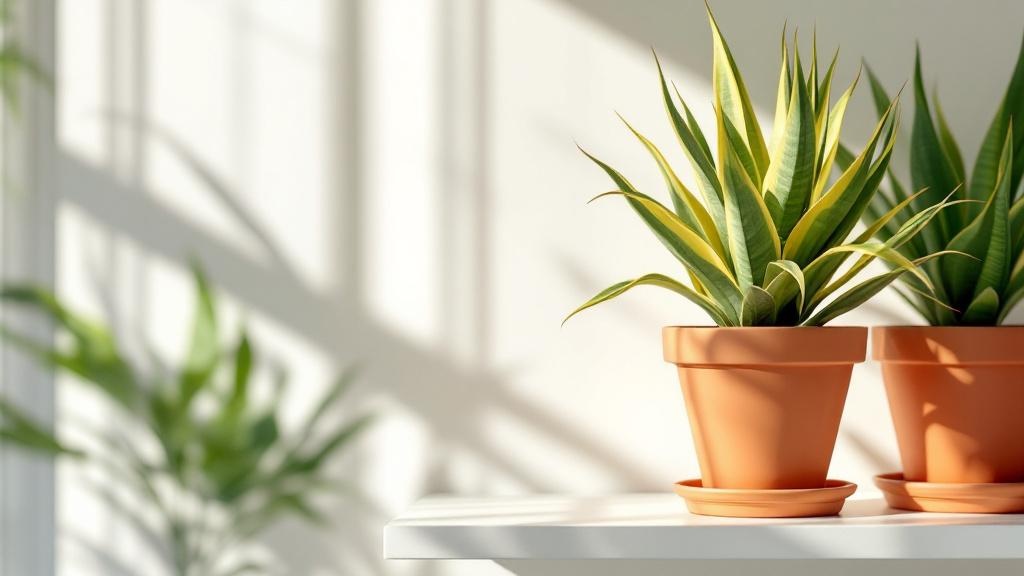
The Cylindrical Snake Plant, with its distinctive spear-like tubular leaves, has become a favorite among houseplant enthusiasts who want architectural interest without demanding care routines. Native to Angola, this drought-tolerant succulent adapts remarkably well to indoor conditions in temperate climates. The most common question new owners ask is how often to water it, and the answer might surprise you: far less than you think. Overwatering remains the leading cause of Cylindrical Snake Plant death.
Watering Your Cylindrical Snake Plant
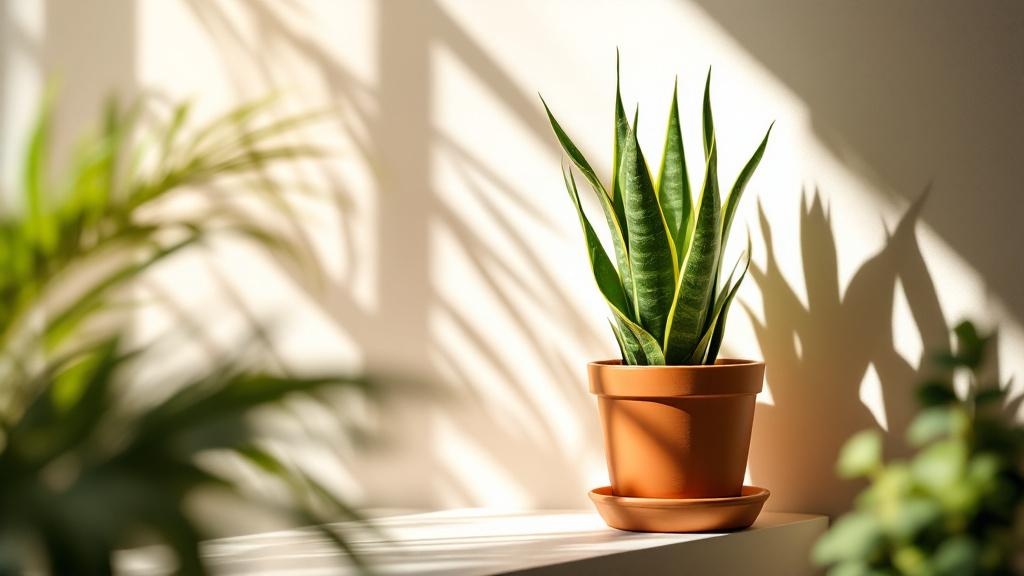
Water thoroughly every 2-3 weeks in spring and summer, allowing the soil to dry completely between waterings. In winter (November through February), reduce to once every 4-6 weeks as growth slows significantly. Always empty the saucer after watering to prevent root rot. When in doubt, wait another week before watering.
Light Requirements for Healthy Growth
Cylindrical Snake Plants tolerate a wide range of light conditions, from bright indirect light to low-light corners. For optimal growth and color, place near an east or north-facing window. Direct summer sun through south-facing windows can scorch the leaves, causing brown tips. In darker spots, growth will slow but the plant will survive.
Soil and Repotting Essentials
Use a well-draining cactus and succulent mix, or create your own by combining standard potting soil with perlite and coarse sand in equal parts. Repot every 2-3 years in spring (late March to April) when roots emerge from drainage holes. Choose a pot only 2-3cm wider than the current one, as these plants prefer being slightly rootbound.
Temperature and Humidity Needs
Average room temperatures between 18-24°C suit this plant perfectly throughout the year. Keep away from cold drafts near windows and doors during winter, as temperatures below 10°C cause cold damage. Unlike tropical houseplants, Cylindrical Snake Plants tolerate dry indoor air well and require no misting or humidity trays.
Fertilizing for Steady Growth
Feed monthly from April through September with a balanced liquid houseplant fertilizer diluted to half strength. Skip fertilizing entirely from October through March when the plant enters its dormant period. Over-fertilizing causes weak, floppy growth and salt buildup in the soil, so less is genuinely more with this species.
Common Problems and Solutions
Root rot from overwatering is the most frequent issue, showing as mushy, yellowing leaves at the base. Cut away affected parts with a sterile knife and repot in fresh, dry soil. Mealybugs occasionally appear as white cottony masses in leaf crevices, especially on plants stressed by overwatering. Wipe them off with a cotton swab dipped in rubbing alcohol. Brown, crispy leaf tips usually indicate underwatering, low humidity, or fluoride sensitivity from tap water.
Frequently asked questions
How often should I water a Cylindrical Snake Plant?
Water every 2-3 weeks in the growing season and every 4-6 weeks in winter. Always let the soil dry completely between waterings. Stick your finger 5cm into the soil; if it feels dry, it is time to water.
Why are my Cylindrical Snake Plant leaves turning yellow?
Yellow leaves typically indicate overwatering and possible root rot. Check the roots immediately for mushiness and reduce your watering frequency. If caught early, the plant can recover after you remove damaged roots and let the soil dry out.
Is Cylindrical Snake Plant toxic to cats?
Yes, Cylindrical Snake Plants are toxic to cats and dogs. Ingestion causes drooling, nausea, vomiting, and diarrhea. Place the plant out of reach of curious pets or choose a pet-safe alternative.
Can Cylindrical Snake Plant grow in low light?
Yes, this plant tolerates low light conditions better than most houseplants. However, growth will be slower and the leaves may lose some vibrancy. For best results, provide bright indirect light for at least a few hours daily.
How do I propagate Cylindrical Snake Plant?
Propagate by division in spring when repotting, separating offsets (pups) with their own roots. You can also cut leaf sections 7-10cm long, let them callus for 2-3 days, then plant in moist succulent mix. Division produces faster results than leaf cuttings.