Passion Fruit
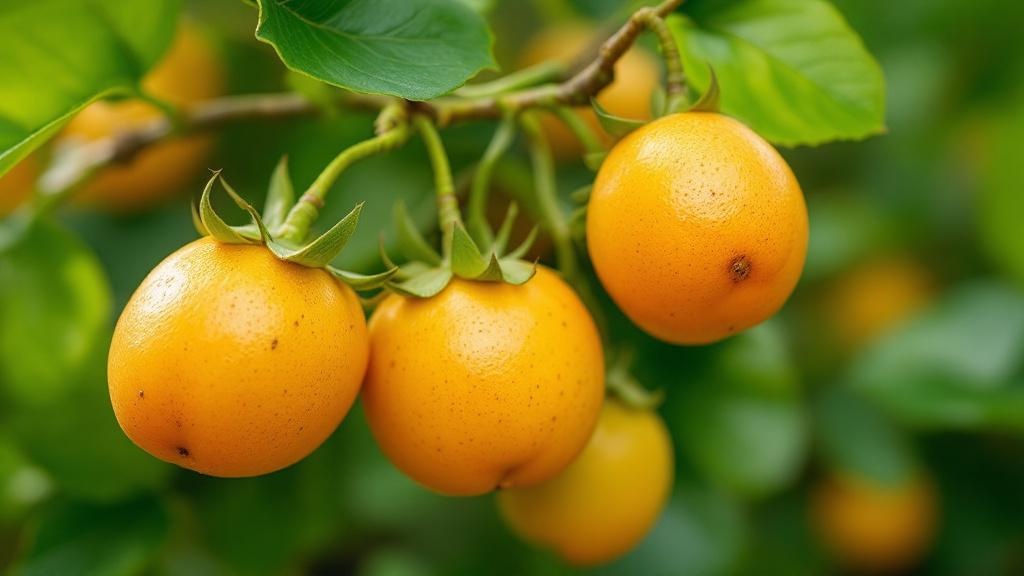
Passion fruit vines bring exotic beauty and edible fruit to temperate gardens, but their tropical origins mean they need special attention in cooler climates. The most common question growers ask is whether passion fruit can survive winter outdoors in zones 5-8. The short answer: not without protection. Most gardeners grow Passiflora edulis in containers, moving them indoors before the first frost in late September or early October. With the right care, you can harvest your own wrinkled purple fruits even in Northern Europe or the Northern US.
Watering Your Passion Fruit Vine
Water deeply every 5-7 days during the growing season from April through September, allowing the top 3-5 cm of soil to dry between waterings. Reduce watering to every 10-14 days in winter when growth slows. Passion fruit vines dislike waterlogged roots, so ensure excellent drainage. Container plants may need more frequent watering during hot spells in July and August.
Light Requirements for Passiflora Edulis
Passion fruit needs at least 6 hours of direct sunlight daily to flower and fruit. In temperate climates, place outdoor containers against a south-facing wall to maximize warmth and light. Indoor overwintering plants should sit in your brightest window, ideally a conservatory or sunroom. Insufficient light causes leggy growth and poor flowering.
Soil and Repotting Guidelines
Use a rich, well-draining potting mix with a slightly acidic pH of 6.0-6.5. Mix standard potting soil with perlite and compost in equal parts. Repot young vines annually in early April, moving up one pot size. Mature plants in large containers benefit from refreshing the top 5 cm of soil each spring rather than full repotting.
Temperature and Humidity Needs
Passion fruit thrives between 18-30°C and suffers damage below 5°C. Bring container plants indoors before night temperatures drop below 10°C, typically in late September in Central Europe or the UK. Maintain indoor humidity above 50% using a pebble tray or humidifier during winter heating season. Avoid placing plants near radiators or cold drafts.
Fertilizing for Fruit Production
Feed every two weeks from April through August with a balanced liquid fertilizer, switching to a high-potassium tomato feed once flower buds appear to encourage fruiting. Reduce feeding to monthly in September, then stop entirely from October through March during dormancy. Over-fertilizing with nitrogen produces lush leaves but few flowers.
Common Problems and Solutions
Spider mites are the most frequent pest on indoor overwintering plants; increase humidity and treat with insecticidal soap at the first sign of fine webbing. Aphids may attack new spring growth in May; blast them off with water or apply neem oil. Yellowing leaves often indicate overwatering or poor drainage rather than nutrient deficiency. Fungal leaf spot can develop in humid, poorly ventilated conditions; improve air circulation and remove affected leaves promptly.
Frequently asked questions
How often should I water passion fruit?
Water your passion fruit vine every 5-7 days during the growing season, allowing the top few centimetres of soil to dry between waterings. In winter, reduce watering to every 10-14 days. Container plants may need more frequent watering during summer heat waves.
Can passion fruit survive winter in the UK?
Passion fruit cannot survive outdoors through UK winters, as frost will kill the vine. You must bring container plants indoors before temperatures drop below 10°C, typically in late September. A cool, bright room at 10-15°C is ideal for overwintering.
Why is my passion fruit not flowering?
Passion fruit vines need at least 6 hours of direct sunlight daily to produce flowers. Other common causes include too much nitrogen fertilizer, plants being too young (under 18 months), or insufficient warmth during the growing season. Switch to a high-potassium feed and ensure maximum sun exposure.
Is passion fruit toxic to cats?
Passion fruit is not toxic to cats or dogs. Both the fruit and leaves of Passiflora edulis are safe around pets. However, unripe fruit tastes unpleasant and may cause mild stomach upset if eaten in large quantities.
Do I need two passion fruit plants to get fruit?
Most Passiflora edulis varieties are self-fertile, so one plant can produce fruit on its own. However, hand pollination significantly improves fruit set, especially for indoor plants. Use a small brush to transfer pollen between flowers in the morning when blooms are fully open.
🩺 Common diseases and pests
These problems commonly affect this plant. Click any to see full symptom descriptions, organic and chemical treatment, and prevention.