Deodar Cedar
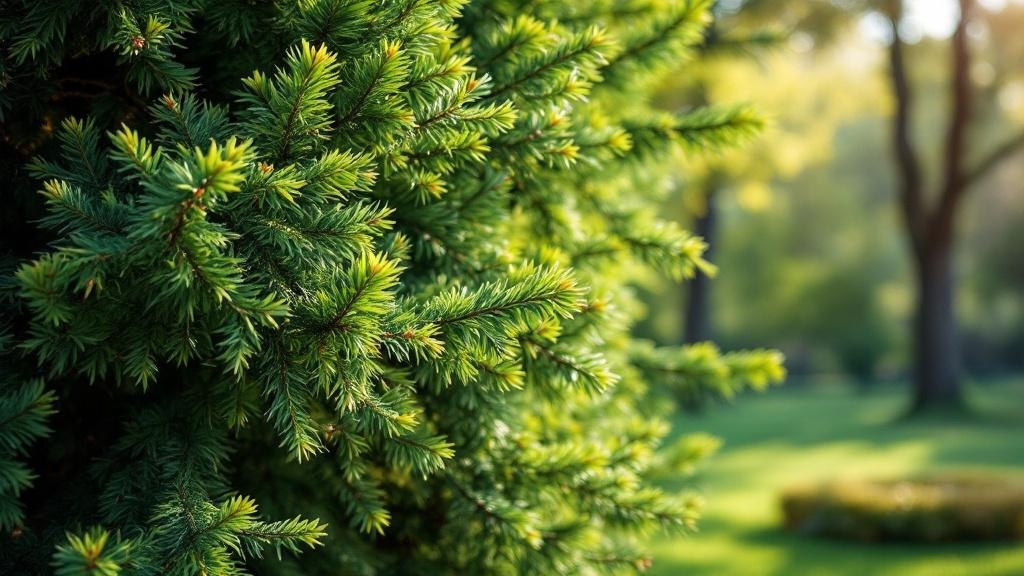
The Deodar Cedar brings year-round elegance to temperate gardens with its distinctive weeping form and silvery-blue foliage. Native to the western Himalayas, this majestic conifer has become a landscape favorite across Central Europe, the UK, and Northern US gardens. The most common question gardeners ask is whether Deodar Cedar can survive cold winters — and with proper siting and establishment care, it thrives beautifully in USDA zones 7-8, with some cultivars hardy to zone 6.
Watering Your Deodar Cedar Correctly
Young Deodar Cedars need consistent moisture during their first two growing seasons. Water deeply once weekly from April through October, allowing soil to dry slightly between waterings. Established trees over three years old are remarkably drought-tolerant and typically only need supplemental water during extended dry spells in summer. Reduce watering significantly from November onwards, as waterlogged soil in winter causes root rot.
Light Requirements for Healthy Growth
Deodar Cedars require full sun with at least six hours of direct sunlight daily. In Northern US and Central European gardens, choose a south or southwest-facing location for optimal growth. While young trees tolerate light afternoon shade, insufficient light leads to sparse, leggy growth and poor needle development. The characteristic drooping branch habit only develops fully in adequate sunlight.
Soil and Planting Guidelines
Plant Deodar Cedars in deep, well-draining soil with a slightly acidic to neutral pH of 6.0-7.5. Heavy clay soils must be amended with coarse sand and organic matter before planting. The ideal planting time is late September through October or early March before new growth begins. Space trees at least 10-12 meters from buildings and other large trees to accommodate their mature spread of 8-12 meters.
Temperature and Winter Protection
Deodar Cedars are hardy to approximately minus 15 degrees Celsius but suffer damage from harsh winter winds and late spring frosts. In zones 6-7, plant in locations sheltered from prevailing winter winds, ideally near a south-facing wall. Young trees benefit from burlap wrapping during their first two winters, particularly in exposed sites. Snow accumulation on branches rarely causes damage due to their naturally flexible drooping form.
Fertilizing for Strong Development
Apply a slow-release acidifying fertilizer formulated for conifers in early April as growth begins. Scatter granules around the drip line, not against the trunk, and water thoroughly. Mature specimens over ten years old rarely need fertilization if growing in decent soil. Over-fertilizing causes excessive soft growth susceptible to frost damage and pest attack.
Common Problems and Solutions
Honey fungus (Armillaria) is the most serious threat in UK and European gardens, causing yellowing foliage and death; remove infected trees and avoid replanting conifers in the same spot for five years. Cedar aphids appear in late spring, causing sticky honeydew on needles — treat with horticultural soap spray in May if populations are heavy. Root rot from poor drainage kills more Deodar Cedars than cold; ensure planting sites never become waterlogged, especially during November through February.
Frequently asked questions
How fast does Deodar Cedar grow?
Deodar Cedar grows approximately 30-60 centimeters per year once established. Young trees may grow faster in ideal conditions with consistent moisture and full sun. Expect a five-year-old nursery tree to reach 4-5 meters within ten years of planting.
Can Deodar Cedar survive UK winters?
Yes, Deodar Cedar survives most UK winters without difficulty, as temperatures rarely drop below its tolerance of minus 15 degrees Celsius. The main threat is cold desiccating winds rather than low temperatures alone. Choose sheltered locations in Scotland and northern England for best results.
Why are my Deodar Cedar needles turning brown?
Brown needles on Deodar Cedar usually indicate root problems from waterlogged soil or drought stress during establishment. Check soil drainage immediately if browning appears during autumn or winter. Summer browning often signals insufficient watering during the critical first two years after planting.
When should I prune Deodar Cedar?
Prune Deodar Cedar in late spring, from late April through May, after the risk of hard frost has passed. Remove only dead, damaged, or crossing branches, as these trees have a naturally beautiful form that rarely needs shaping. Never remove the central leader, as this destroys the characteristic conical shape.
How big does Deodar Cedar get?
Deodar Cedar reaches 15-25 meters tall with a spread of 8-12 meters at maturity in temperate gardens. Full size takes 40-50 years to achieve, though the tree becomes a significant landscape presence within 15-20 years. Dwarf cultivars like Feelin Blue stay under 1 meter for small garden spaces.