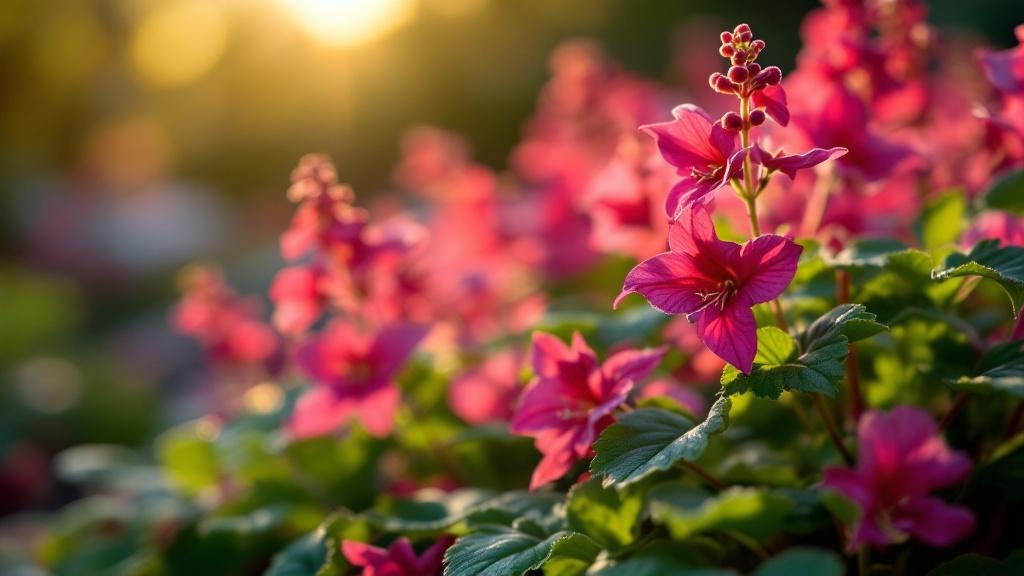
Desert Rose
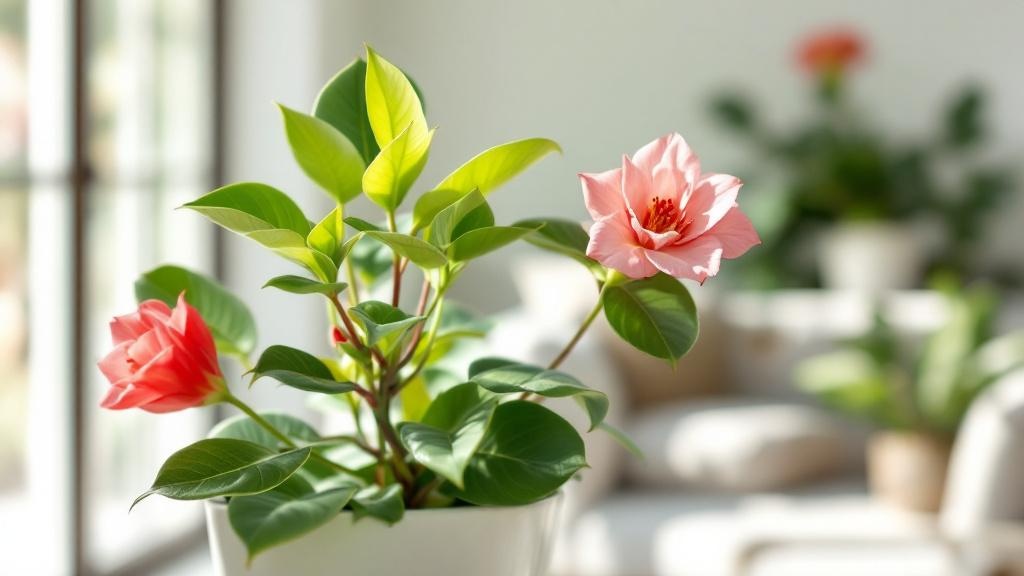
Desert Rose captivates plant lovers with its sculptural caudex (swollen trunk) and showy pink, red, or white blooms that appear from late spring through autumn. Originally from East Africa and the Arabian Peninsula, this drought-tolerant beauty thrives as a houseplant in temperate regions when given bright light and careful watering. The most common question growers ask is how to keep Desert Rose alive through cold winters without triggering rot, a challenge easily managed with proper dormancy care.
Watering Your Desert Rose Correctly
Water thoroughly every 10-14 days during the active growing season (May through September), allowing the soil to dry completely between waterings. In winter, reduce watering to once every 3-4 weeks or stop entirely if the plant drops its leaves and enters dormancy. Always empty the saucer after watering to prevent root rot. The caudex stores water, so underwatering is far safer than overwatering.
Light Requirements for Healthy Growth
Desert Rose demands the brightest spot in your home, ideally a south-facing window receiving at least 5-6 hours of direct sunlight daily. Insufficient light causes leggy growth and poor flowering. From late May to early September, you can move the plant outdoors to a sunny, sheltered patio, but acclimatize it gradually over two weeks to prevent sunburn.
Soil and Repotting Guidelines
Use a fast-draining mix of 50% cactus soil and 50% perlite or pumice. Terracotta pots work best as they wick away excess moisture. Repot every 2-3 years in early spring (late March to April) when new growth begins. Choose a pot only slightly larger than the caudex, as oversized containers retain too much moisture and encourage rot.
Temperature and Humidity Needs
Desert Rose thrives in warm conditions between 18-30°C during summer. The critical challenge in temperate climates is winter: never expose the plant to temperatures below 10°C. Bring outdoor plants inside by mid-September before night temperatures drop. Average indoor humidity is fine; this plant actually prefers dry air and suffers in damp conditions.
Fertilizing for Abundant Blooms
Feed every 2 weeks from May through August with a balanced liquid fertilizer diluted to half strength, or use a fertilizer higher in phosphorus to encourage flowering. Stop fertilizing entirely from October through March when growth slows. Over-fertilizing causes salt buildup and can damage roots, so less is more with this plant.
Common Problems and Solutions
Root rot is the most frequent killer, caused by overwatering or poor drainage; if the caudex feels soft, reduce watering immediately and repot into dry soil. Spider mites and mealybugs often appear in dry indoor conditions during winter; inspect regularly and treat with insecticidal soap or neem oil. Yellowing leaves typically indicate overwatering, while leaf drop in autumn is normal dormancy behavior, not cause for concern.
Frequently asked questions
How often should I water a Desert Rose?
Water every 10-14 days in summer and every 3-4 weeks (or not at all) in winter. Always let the soil dry completely between waterings. The swollen trunk stores water reserves, making this plant very drought-tolerant.
Why are my Desert Rose leaves turning yellow?
Yellow leaves usually signal overwatering or poor drainage. Check that your pot has drainage holes and reduce watering frequency. However, some yellowing and leaf drop in autumn is normal as the plant prepares for winter dormancy.
When does Desert Rose bloom?
Desert Rose typically blooms from late May through September when grown in temperate climates. Flowers appear on new growth, so plants need bright light and warm temperatures to produce buds. Young plants may take 2-3 years to flower for the first time.
Is Desert Rose toxic to cats and dogs?
Yes, Desert Rose is highly toxic to cats and dogs. All parts contain cardiac glycosides that can cause vomiting, diarrhea, and serious heart problems if ingested. Keep this plant well out of reach of pets and children.
How do I overwinter a Desert Rose indoors?
Move your Desert Rose indoors by mid-September before temperatures drop below 10°C. Place it in a bright, cool spot (15-18°C ideal) and reduce watering to once monthly or stop completely if leaves drop. Resume normal care when new growth appears in spring.