Wax Plant
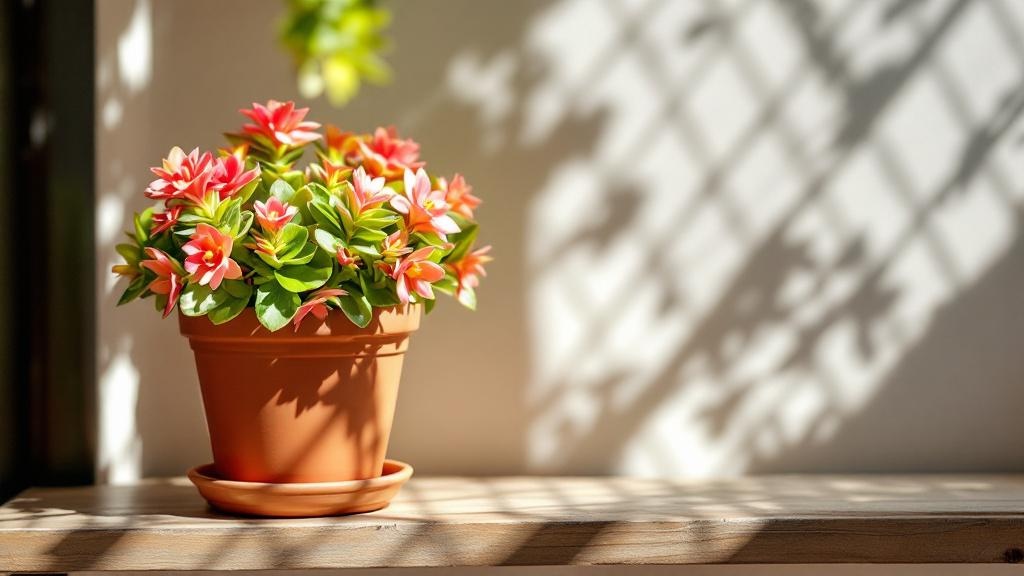
Hoya carnosa, or wax plant, is beloved by temperate-climate gardeners for its glossy leaves and sweetly scented star-shaped flowers that bloom reliably indoors. Most people struggle with getting their wax plant to flower, which usually comes down to light and patience. With the right conditions—bright indirect light and a cool winter rest—you'll enjoy those distinctive fragrant clusters year after year.
Watering Your Wax Plant
Hoya carnosa prefers to dry out between waterings—overwatering is the main killer of this plant. Check the soil every 7-10 days; water thoroughly only when the top 2-3 cm feels dry. In winter (November to March), reduce watering to every 3-4 weeks, as growth slows dramatically. Always use pots with drainage holes and empty saucers after watering to prevent root rot.
Light Requirements for Flowering
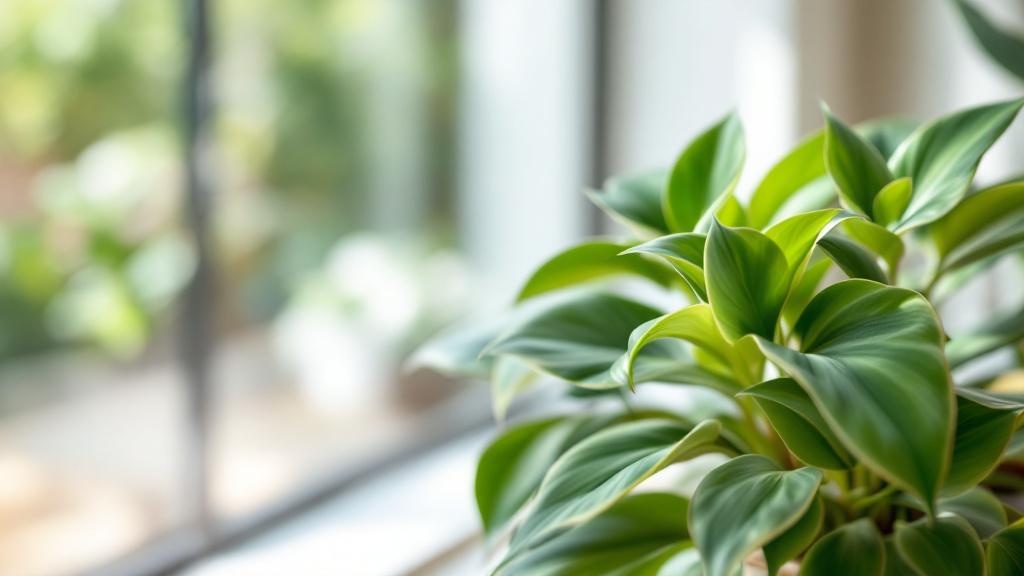
Wax plant thrives in bright indirect light—a south- or west-facing windowsill is ideal in temperate regions. It tolerates medium light but won't flower reliably without at least 3-4 hours of bright light daily. Avoid direct harsh afternoon sun in peak summer (July-August), which can scorch leaves, but morning sun is always welcome. Rotate the pot monthly to ensure even growth.
Soil and Repotting
Use a chunky, well-draining potting mix—either orchid bark-based or add perlite (25-30%) to standard potting soil. Repot only every 2-3 years in spring (April), and only if roots are visibly crowded; wax plants actually flower better when slightly pot-bound. Refresh the top 3-4 cm of soil annually if you skip repotting.
Temperature and Humidity
Keep temperatures between 16-24°C year-round; wax plant appreciates a cool winter period (October-February) at 15-18°C, which actually triggers flowering. Humidity of 40-60% is ideal but not essential—mist occasionally in hot spells if air is very dry. Avoid cold drafts below 10°C and sudden temperature swings, which cause leaf drop.
Feeding Your Wax Plant
Feed every 3-4 weeks during the growing season (April to September) with a balanced or slightly high-potassium fertilizer diluted to half strength. Switch to a bloom-booster fertilizer (higher in phosphorus) in July-August to support flowering. Stop feeding in October; do not fertilize during winter dormancy (November-March).
Common Problems and Solutions
Yellow or translucent leaves usually mean overwatering or cold temps—let soil dry more, check drainage, and move to warmer spot. Mealybugs (small white clusters on stems) are the main pest in indoor temperate homes; spray with insecticidal soap or neem oil weekly until gone. No flowers? Too little light, too young (hoyas often take 2-3 years to mature), or missing a cool winter rest—ensure 3-4 hours of bright light and cool temps October-February.
Frequently asked questions
How often should I water my Hoya carnosa?
Water every 10-14 days when the top 2-3 cm of soil is dry to the touch. In winter (November-March), water only every 3-4 weeks as the plant enters dormancy. Always ensure pots have drainage holes to prevent waterlogging.
Why is my wax plant not flowering?
Lack of bright light is the most common reason—ensure at least 3-4 hours of bright indirect light daily. The plant also needs a cool winter rest (15-18°C from October-February) to set flower buds, and patience; young hoyas may not flower for 2-3 years.
Is Hoya carnosa toxic to cats and dogs?
No, wax plant is completely safe for cats, dogs, and other pets. It poses no toxicity risk, making it an excellent choice for pet-owning households.
How do I propagate Hoya carnosa?
Take 7-10 cm stem cuttings in spring or summer (April-August), each with at least 2-3 nodes and a few leaves. Root them in moist perlite or sphagnum moss in a warm, bright spot; roots typically appear in 3-6 weeks. Once rooted, pot into standard potting mix.
What's the best soil for Hoya carnosa?
Use a well-draining orchid-bark-based mix or add 25-30% perlite to standard potting soil. Avoid heavy, moisture-retaining composts that cause root rot; chunky texture is key.