Japanese Spirea
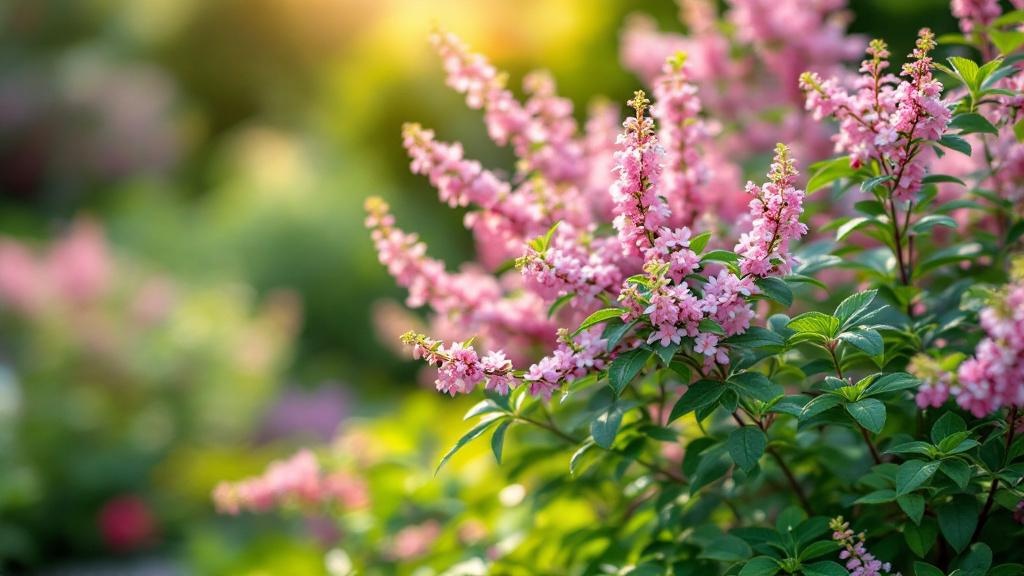
Japanese Spirea is one of the most rewarding flowering shrubs for temperate gardens, offering clusters of pink to rose-red flowers from June through August. Home gardeners most often search for when and how to prune this vigorous shrub, as proper timing directly impacts bloom quality. With varieties ranging from compact 60cm mounds to 150cm specimens, Japanese Spirea fits nearly any garden space and rewards even novice gardeners with reliable summer color.
Watering Your Japanese Spirea
Newly planted Japanese Spirea needs deep watering every 5-7 days during the first growing season to establish roots. Once established, this drought-tolerant shrub typically thrives on natural rainfall in temperate climates, only requiring supplemental water during extended dry spells exceeding 2-3 weeks. Water at the base in the morning to keep foliage dry and prevent fungal issues. Reduce watering in autumn to help the plant prepare for dormancy.
Light Requirements for Optimal Blooming
Japanese Spirea performs best in full sun, requiring at least 6 hours of direct sunlight daily for maximum flowering. Plants grown in partial shade will bloom less profusely and may develop a leggy, open habit. In the UK and Northern Europe, full sun positions are ideal as summer intensity rarely causes stress. Morning sun with afternoon shade is acceptable but expect roughly 30% fewer blooms.
Soil and Repotting Guidelines
Japanese Spirea adapts to most soil types including clay, loam, and sandy soils, provided drainage is adequate. Ideal pH ranges from 6.0 to 7.0, though the shrub tolerates slightly alkaline conditions. When planting, dig a hole twice the root ball width and amend heavy clay with compost. Container-grown specimens need repotting every 2-3 years in spring, moving up one pot size.
Temperature and Humidity Needs
Hardy to minus 30 degrees Celsius, Japanese Spirea handles harsh temperate winters without protection. The shrub enters dormancy in November and tolerates frost, snow, and freezing rain. Summer heat up to 35 degrees Celsius is manageable with adequate soil moisture. Average humidity suits this plant perfectly, and it requires no special humidity considerations in Central European or UK climates.
Fertilizing for Healthy Growth
Apply a balanced slow-release granular fertilizer in late March or early April as new growth emerges. A 10-10-10 or rose fertilizer works well, applied at the drip line according to package rates. Avoid fertilizing after mid-July, as late feeding promotes soft growth vulnerable to winter damage. Established shrubs in decent soil may only need fertilizing every other year.
Common Problems and Solutions
Aphids frequently colonize new growth in May and June; blast them off with a strong water spray or apply insecticidal soap if infestations persist. Powdery mildew can appear in late summer, especially in humid conditions or crowded plantings; improve air circulation and avoid overhead watering. Spider mites occasionally attack during hot, dry spells, causing stippled leaves; regular hosing of foliage helps prevent outbreaks. Leaf spot diseases are generally cosmetic and rarely require treatment.
Frequently asked questions
When should I prune Japanese Spirea?
Prune Japanese Spirea in late February to early March before new growth begins. Since it blooms on new wood, early spring pruning encourages vigorous shoots that flower the same summer. Cut back the entire shrub to 15-30cm from the ground for rejuvenation, or simply trim back by one-third for maintenance.
Why are my Japanese Spirea leaves turning yellow?
Yellow leaves typically indicate overwatering, poor drainage, or iron chlorosis in alkaline soil. Check that the soil drains well and reduce watering frequency if the ground stays consistently wet. In high-pH soils, apply chelated iron or sulfur to lower alkalinity and restore green foliage.
How long does Japanese Spirea bloom?
Japanese Spirea blooms for 6-8 weeks, typically from early June through late July or into August. Deadheading spent flower clusters can encourage a lighter second flush of blooms in late summer. Flower color and duration vary slightly by cultivar, with some varieties offering extended seasons.
Is Japanese Spirea toxic to cats?
No, Japanese Spirea is not toxic to cats or dogs. This shrub is considered safe for gardens where pets roam freely. While ingesting large amounts of any plant material may cause mild stomach upset, there are no known toxic compounds in Spiraea japonica.
How fast does Japanese Spirea grow?
Japanese Spirea grows 30-60cm per year under good conditions, reaching mature size within 2-3 years. This fast growth rate makes it excellent for quickly filling borders or creating low hedges. Annual spring pruning keeps the shrub compact and encourages dense, floriferous growth.