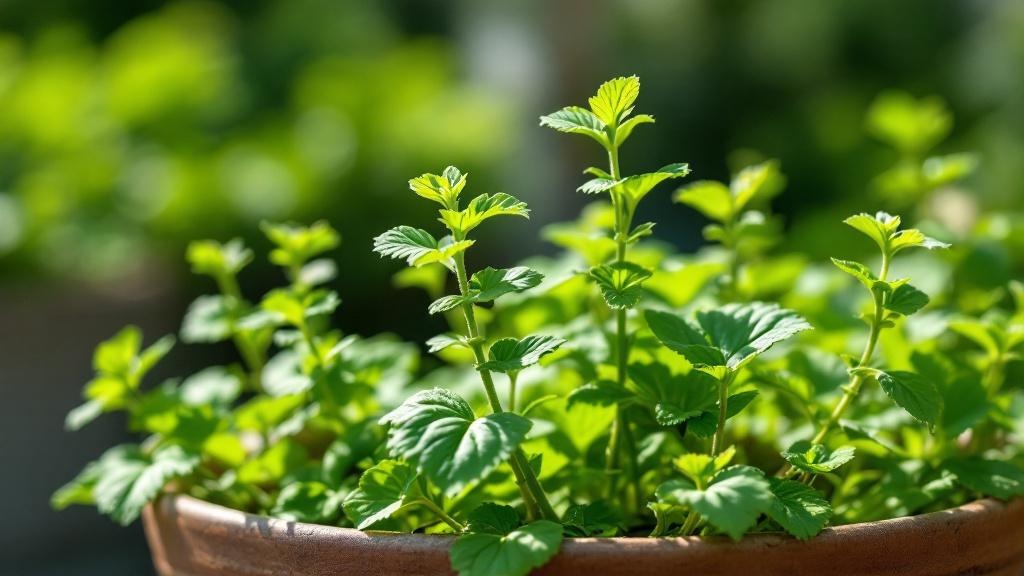
Oleander
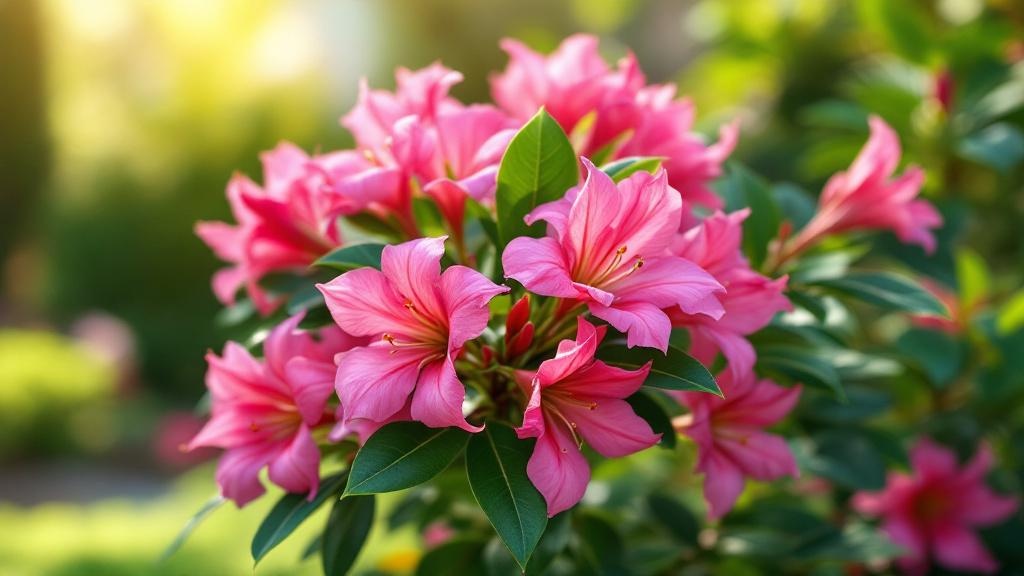
Oleander (Nerium oleander) is a Mediterranean favourite that produces stunning, sweetly scented blooms from June through September. In temperate climates, gardeners often grow this elegant shrub in containers so it can be moved indoors during harsh winters. The main question homeowners ask: how do I keep it blooming and healthy year-round in colder regions?
Watering Your Oleander
During the growing season (May to September), water deeply every 7-10 days, allowing the top inch of soil to dry between waterings. In autumn and winter, reduce watering significantly — overwintering indoors requires only light moisture every 2-3 weeks. Container-grown oleanders dry out faster than in-ground plants, so check soil moisture regularly. Avoid waterlogging, as this causes root rot and fungal issues.
Light Requirements for Blooming
Oleander demands full sun to flower abundantly; aim for at least 6-8 hours of direct sunlight daily. In temperate zones, south-facing or west-facing locations work best. Even partial shade will reduce flower production and weaken the plant. If growing indoors during winter (October to April), place near a bright window or use a grow light to maintain vigour.
Soil & Repotting Needs
Oleander thrives in well-draining soil — a mix of peat-free compost, sand, and perlite works well. If growing in containers, repot every 2-3 years in spring using fresh, gritty compost. For in-ground planting in temperate gardens, amend heavy clay soil with sand and organic matter to improve drainage. Poor drainage is the primary cause of decline in this species.
Temperature & Humidity Management
Oleander tolerates heat well but is sensitive to frost. In USDA zones 5-7, bring container plants indoors before the first frost (typically late October in Central Europe). Maintain indoor temperatures between 10-15°C during dormancy; this cold period promotes flowering the following spring. Humidity is less critical — oleander prefers drier air and dislikes stuffy, humid conditions indoors.
Fertilizing for Vigorous Growth
Feed container-grown oleander monthly from May to August with a balanced, diluted fertiliser (half-strength recommended). Switch to a phosphorus-rich formula (higher middle number) in July-August to encourage flowering. In-ground plants need less fertiliser; apply a slow-release granular feed once in spring. Avoid over-feeding, which produces lush foliage at the expense of flowers.
Common Problems & Solutions
Scale insects and spider mites are the most frequent pests in temperate greenhouses and indoors — spray with neem oil or horticultural soap every 10 days until clear. Yellow leaves and stem dieback indicate overwatering or poor drainage; allow soil to dry and improve airflow. Oleander leaf scorch (bacterial) is less common in temperate zones but causes brown leaf margins; remove affected leaves and avoid overhead watering to prevent spread.
Frequently asked questions
How often should I water oleander in winter?
Water sparingly every 2-3 weeks during winter dormancy (November to March), keeping soil barely moist. Overwintering oleanders indoors need minimal moisture; check soil before watering to avoid root rot.
When should I bring oleander indoors in temperate climates?
Move container oleanders indoors before the first hard frost, typically in late October for zones 5-7. Place in a cool, bright location (10-15°C) and reduce watering until spring growth resumes in April.
Why is my oleander not flowering?
Insufficient sunlight is the main culprit — oleander needs at least 6-8 hours of direct sun daily to bloom. Other causes include overwatering, low temperatures in spring, or depleted soil nutrients; ensure full sun, well-drained soil, and feed in summer with phosphorus-rich fertiliser.
Is oleander toxic to pets and children?
Yes, all parts of oleander are poisonous if ingested, affecting the heart and digestive system in dogs, cats, and livestock. Place container plants out of reach of children and pets, and wear gloves when handling or pruning.
How do I prune oleander to encourage bushier growth?
Prune in early spring (March-April) before active growth, cutting back tall stems by one-third and removing any dead or weak growth. Pinch out shoot tips in summer to promote branching and denser flowering; avoid heavy pruning after August, as this removes next season's flower buds.
🩺 Common diseases and pests
These problems commonly affect this plant. Click any to see full symptom descriptions, organic and chemical treatment, and prevention.