Mistletoe Cactus
The Mistletoe Cactus is one of the few cacti that actually prefers shade and humidity, which surprises many plant owners expecting typical desert-loving behavior. Native to tropical rainforests where it grows on tree branches, this trailing beauty has become a favorite for hanging planters and high shelves. The most common question people search is how often to water it, since its cactus name creates confusion about its actual moisture needs.
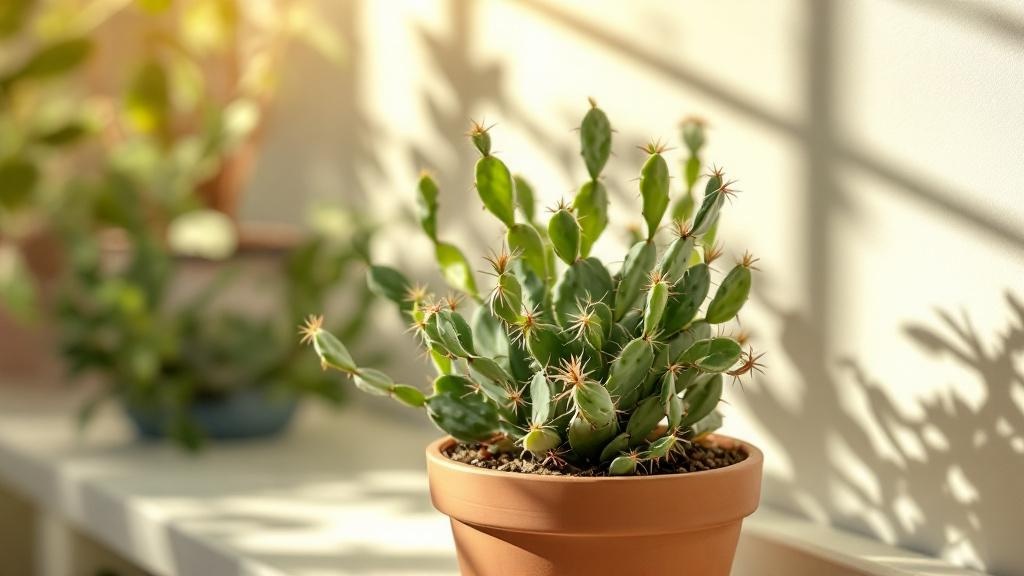
How to Water Your Mistletoe Cactus Correctly
Water your Mistletoe Cactus every 7-10 days during spring and summer, allowing the top 2-3 cm of soil to dry between waterings. In winter, reduce watering to every 14-18 days as growth slows significantly from November through February. Unlike desert cacti, Rhipsalis appreciates consistent light moisture and will shrivel if left bone dry for extended periods. Use room-temperature water and ensure excess drains freely from the pot.
Finding the Perfect Light for Rhipsalis baccifera
Position your Mistletoe Cactus in bright indirect light, such as a north-facing window or 1-2 meters from an east-facing window. Direct afternoon sun, especially during summer months from May through August, will scorch the delicate stems, causing them to turn reddish or pale. This plant tolerates lower light conditions better than most succulents, making it suitable for bathrooms with frosted windows or shaded corners of bright rooms.
Best Soil Mix and Repotting Schedule
Use a light, well-draining mix of regular potting soil combined with orchid bark and perlite in equal parts, mimicking its natural epiphytic growing conditions. Repot every 2-3 years in early spring, around late March to April, moving up only one pot size since Mistletoe Cactus prefers being slightly rootbound. Terracotta pots work well as they allow excess moisture to evaporate, and hanging baskets showcase the trailing stems beautifully.
Temperature and Humidity Requirements
Maintain temperatures between 15-24°C for optimal growth, with a minimum winter temperature of 10°C. From October onwards, keep plants away from cold windowsills and radiators that create temperature extremes. Humidity of 50-60% suits this tropical cactus perfectly, so mist the stems weekly during winter when central heating dries indoor air, or place the pot on a pebble tray filled with water.
When and How to Fertilize Mistletoe Cactus
Feed monthly from April through September with a balanced liquid fertilizer diluted to half strength. Avoid fertilizing from October through March when the plant enters its natural rest period. Over-fertilizing causes weak, leggy growth and salt buildup in the soil, so when in doubt, feed less rather than more. An occasional flush with plain water helps prevent mineral accumulation in the potting mix.
Common Problems and How to Fix Them
Shriveling stems indicate underwatering or extremely low humidity, so increase watering frequency and mist regularly. Soft, mushy sections signal root rot from overwatering or poor drainage, requiring you to cut away affected parts and repot in fresh, dry soil. Watch for mealybugs hiding in stem joints, particularly common when plants are brought indoors for winter in September, and treat promptly with rubbing alcohol on a cotton swab or insecticidal soap spray.
Frequently asked questions
How often should I water my Mistletoe Cactus?
Water your Mistletoe Cactus every 7-10 days in spring and summer, reducing to every 2-3 weeks in winter. Always check that the top few centimeters of soil have dried before watering again. Unlike desert cacti, this species prefers consistent light moisture and suffers if completely dried out.
Why are my Mistletoe Cactus stems turning yellow?
Yellow stems usually indicate overwatering or root rot from soggy soil conditions. Check the roots for mushiness and repot in fresh, well-draining mix if needed. Less commonly, yellowing can result from too much direct sunlight or nutrient deficiency during the growing season.
Is Mistletoe Cactus toxic to cats?
No, Mistletoe Cactus is non-toxic to cats, dogs, and humans, making it a safe choice for pet-friendly households. The small white berries it occasionally produces are also harmless. This sets it apart from true mistletoe plants, which are toxic.
Does Mistletoe Cactus need direct sunlight?
No, Mistletoe Cactus actually prefers bright indirect light and can be damaged by direct sunlight. In nature it grows beneath rainforest canopies, so a north-facing window or filtered light from east-facing windows works best. Direct afternoon sun causes stems to bleach or develop a stressed reddish color.
How do I make my Mistletoe Cactus grow faster?
Provide consistent warmth around 20-24°C, humidity above 50%, and monthly feeding during the growing season from April to September. Bright indirect light and proper watering encourage the fastest growth. Expect stems to grow 15-30 cm per year under optimal conditions.