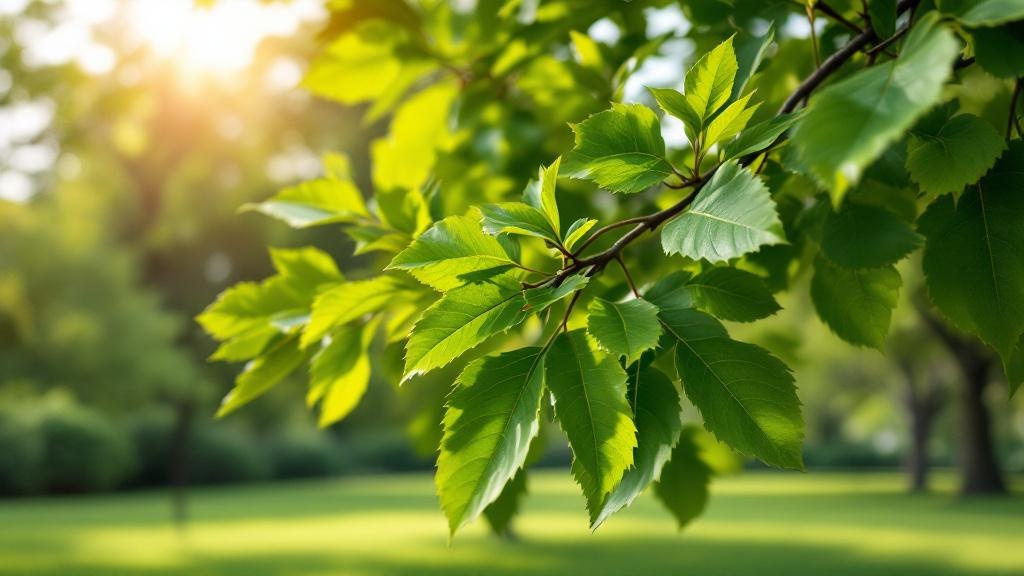
Wayfarer
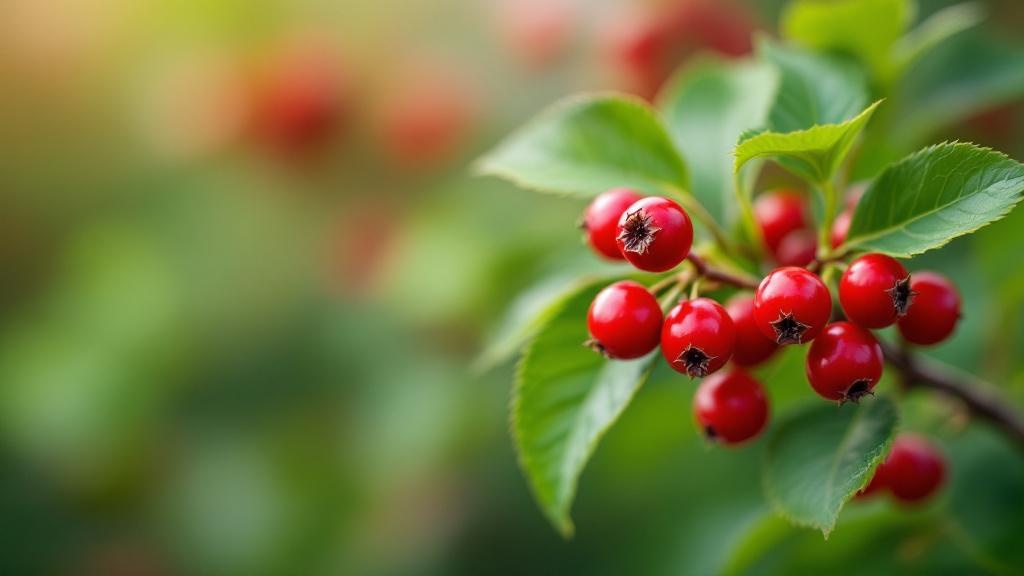
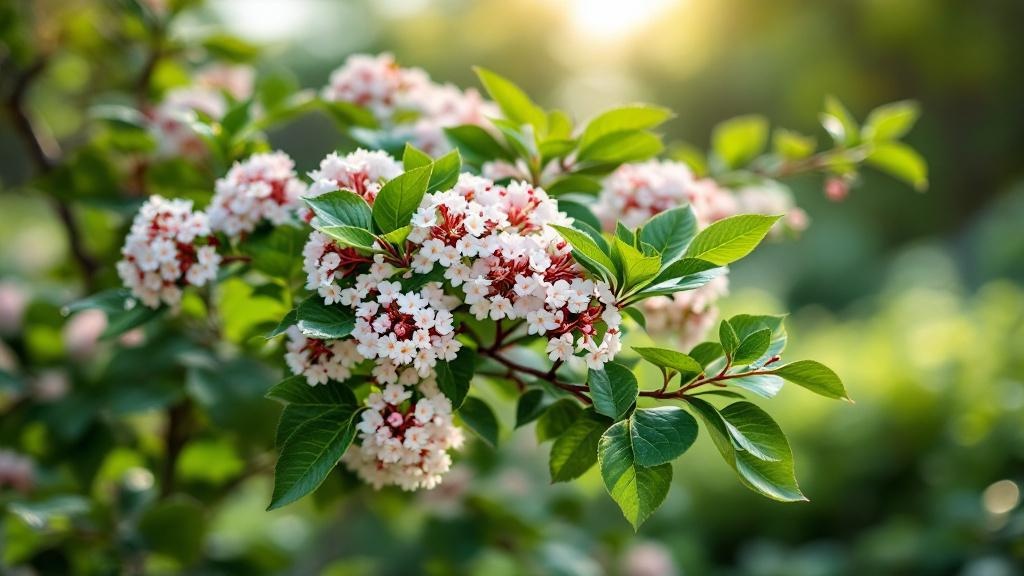
Wayfarer, or Viburnum lantana, is one of the most resilient native shrubs for temperate gardens. Tolerant of poor soil, drought, and pollution, it rewards gardeners with fragrant cream-white flower clusters in May and June, followed by berries that shift from red to black. The most common question gardeners search is whether this vigorous shrub needs pruning and how to control its size. If you want a low-maintenance hedge or wildlife habitat plant, Wayfarer delivers year-round interest with minimal fuss.
Watering Your Wayfarer Viburnum
Water newly planted shrubs deeply once weekly during the first growing season from April through September. Once established after 1-2 years, Wayfarer is remarkably drought-tolerant and rarely needs supplemental watering except during extended dry spells. In prolonged summer droughts lasting more than 3 weeks, give established plants a deep soak of about 20 liters at the root zone.
Light Requirements for Viburnum lantana
Wayfarer performs best in full sun to partial shade, receiving at least 4-6 hours of direct sunlight daily. In full sun, expect denser flowering and more vibrant autumn berry displays. The shrub tolerates shadier spots but will produce fewer flowers and develop a more open, leggy habit.
Soil and Repotting Considerations
This adaptable shrub thrives in alkaline to neutral soil with a pH of 6.5-8.0, making it ideal for chalky or limestone areas common across Central Europe and the UK. It tolerates clay, loam, and even poor rocky soils. Plant container-grown specimens in autumn (October-November) or early spring (March) to allow root establishment before summer heat.
Temperature and Humidity Needs
Wayfarer is exceptionally cold-hardy, surviving temperatures down to minus 25 degrees Celsius (USDA zones 4-8). It handles typical British and Central European winters without protection. This shrub tolerates a wide humidity range and copes well with exposed, windy sites where other shrubs struggle.
Fertilizing Your Wayfarer
Apply a balanced slow-release fertilizer or well-rotted compost around the base in early April as new growth begins. A 5-centimeter layer of organic mulch in spring conserves moisture and feeds the soil gradually. Established shrubs in decent soil rarely need additional feeding; over-fertilizing promotes soft growth susceptible to aphids.
Common Problems and Solutions
Viburnum beetle larvae can skeletonize leaves from late April through June; check undersides of leaves and remove affected foliage or spray with pyrethrin-based insecticides in early May. Aphids sometimes cluster on new shoots in spring; a strong water jet or insecticidal soap controls light infestations. Powdery mildew may appear in humid summers, particularly in crowded plantings; improve air circulation by thinning dense growth in late winter.
Frequently asked questions
How often should I water Wayfarer viburnum?
Water weekly during the first year, then only during extended droughts. Established Wayfarer shrubs are highly drought-tolerant and typically survive on rainfall alone in temperate climates. Deep watering every 3-4 weeks during prolonged dry spells is sufficient.
Why are my Viburnum lantana leaves full of holes?
Viburnum beetle is the most likely cause. The larvae feed from late April through June, creating a lace-like pattern on leaves. Remove and destroy affected leaves, and apply pyrethrin spray in early May when larvae are small for effective control.
When does Wayfarer viburnum bloom?
Wayfarer blooms in late May through June in temperate climates. The creamy-white flower clusters appear on previous years wood and are followed by berries that ripen from red to black through late summer and autumn.
Is Viburnum lantana toxic to dogs and cats?
The berries are mildly toxic to pets if eaten in quantity. Ingestion may cause vomiting, diarrhea, and stomach upset. While not usually life-threatening, keep pets from eating the berries and contact your vet if significant consumption occurs.
How do I prune Wayfarer viburnum?
Prune immediately after flowering in late June or early July. Remove up to one-third of the oldest stems at ground level to maintain shape and encourage new growth. Avoid autumn or winter pruning, as this removes next years flower buds.